
Galaxy Z Fold7 Vs Google Pixel 9 Pro

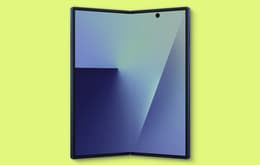
Galaxy Z Fold7
Galaxy Z Fold7
Starting at

Refurbished price:£916.00

Versus £1,799.00 new

See options
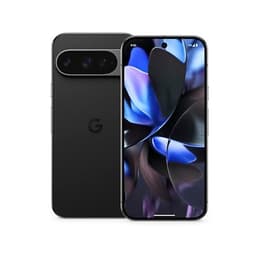
Google Pixel 9 Pro
Google Pixel 9 Pro
Starting at

Refurbished price:£395.25

Versus £917.17 new

See options

Ratings

The Samsung Galaxy Z Fold7 and the Google Pixel 9 Pro represent distinct approaches to high-end smartphone design. The Galaxy Z Fold7, a foldable device expected to launch in July 2025, offers a large, adaptable screen experience. In contrast, the Google Pixel 9 Pro, released in August 2024, is a traditional slab-style smartphone known for its advanced camera system and software integration. Both devices operate on the Android platform, providing users with a wide ecosystem of applications and services, but they cater to different user preferences through their core design philosophies.

Scores

Durability

When considering the long-term usability of these devices, both the Galaxy Z Fold7 and the Google Pixel 9 Pro offer substantial software support, though their physical durability characteristics differ due to their form factors.

  • Software Longevity: Both the Galaxy Z Fold7 and the Google Pixel 9 Pro are expected to receive seven years of operating system updates and security patches from their respective launch dates. This extended support ensures that both devices will remain current with the latest Android features and security enhancements for a considerable period.
  • Physical Durability: The Galaxy Z Fold7 features an Armor Aluminum frame and advanced Gorilla Glass for its exterior, along with an improved hinge mechanism designed for enhanced resilience. However, foldable phones, by nature, have a flexible inner display and a hinge that can be susceptible to wear over time, potentially leading to concerns about screen creases or debris ingress. The Pixel 9 Pro, as a traditional smartphone, benefits from a more conventional and generally robust design, typically featuring Gorilla Glass Victus 2 protection for its display and a high IP rating for water and dust resistance.
  • Repairability: Foldable devices like the Galaxy Z Fold7 often present more complex repair challenges due to their intricate hinge mechanisms and flexible displays, which can lead to higher repair costs if damage occurs. Traditional smartphones like the Pixel 9 Pro generally have a more straightforward internal structure, which can sometimes simplify repairs.

Year of Release

2025

2024

Compatible with latest Update

Yes

Yes

OS

Android

Android

Foldable

Yes

No

Performance

The performance capabilities of the Galaxy Z Fold7 and the Google Pixel 9 Pro are tailored to deliver a smooth user experience, each leveraging powerful internal components.

  • Processing Power: The Galaxy Z Fold7 is equipped with a current-generation, high-performance processor optimized for Samsung's devices, ensuring efficient handling of demanding applications and multitasking across its expansive display. The Google Pixel 9 Pro utilizes Google's custom-designed processor, which is specifically engineered to enhance AI and machine learning tasks, contributing to a highly responsive and intelligent user experience.
  • Multitasking and Memory: Both devices offer substantial RAM configurations, with the Galaxy Z Fold7 available with 12GB or 16GB of RAM and the Pixel 9 Pro typically featuring 16GB of RAM. This ample memory allows for seamless switching between multiple applications and efficient background process management on both phones.
  • Storage Options: Users can choose from various storage capacities for both models, including 256GB, 512GB, and 1TB, providing ample space for applications, media, and documents. Neither device typically offers expandable storage via a microSD card.

Memory (GB)

12 GB

16 GB

Screen quality

The display experience is a primary differentiator between these two smartphones, with the Galaxy Z Fold7 offering a unique adaptable screen and the Pixel 9 Pro providing a high-quality traditional panel.

  • Display Technology and Size: The Galaxy Z Fold7 features a 6.5-inch Dynamic AMOLED 2x cover display and unfolds to reveal an 8-inch Dynamic AMOLED 2x main display, offering a tablet-like viewing area. The Pixel 9 Pro comes with a 6.3-inch OLED display, providing a more conventional smartphone screen size.
  • Clarity and Brightness: Both devices offer vibrant and clear visuals. The Pixel 9 Pro's OLED panel boasts a 1.5K resolution with a pixel density of 495 ppi and can reach a peak brightness of 3000 nits for HDR content, ensuring excellent visibility even in bright outdoor conditions. The Galaxy Z Fold7's Dynamic AMOLED 2x displays are also expected to deliver high resolution, rich contrast, and strong brightness, with the main screen designed for an immersive experience.
  • Smoothness and Features: Both phones feature a 120Hz refresh rate, providing fluid scrolling and responsive interactions. The Pixel 9 Pro utilizes LTPO technology, allowing its refresh rate to dynamically adjust from 1Hz to 120Hz for power efficiency. The Galaxy Z Fold7 is also expected to offer a less visible crease on its main folding display, enhancing the overall viewing experience.

Resolution

1968 x 2184

1280 x 2856

Audiovisual

Both the Galaxy Z Fold7 and the Google Pixel 9 Pro offer advanced camera systems, though they approach photography with different strengths and philosophies.

  • Rear Camera System: The Galaxy Z Fold7 is equipped with a versatile triple-camera setup, including a high-resolution 200MP main wide-angle camera, a 12MP ultra-wide lens, and a 10MP telephoto lens with 3x optical zoom. The Pixel 9 Pro features a 50MP main camera, a 48MP ultrawide camera, and a 48MP telephoto lens capable of 5x optical zoom.
  • Photography Performance: The Galaxy Z Fold7's high megapixel count on its main sensor, combined with Samsung's AI-powered ProVisual Engine, aims to capture highly detailed images with enhanced processing. The Pixel 9 Pro excels in computational photography, leveraging Google's advanced software algorithms for features like HDR+, Night Sight, and Real Tone, which are designed to produce consistent, high-quality results across various lighting conditions and subjects.
  • Front Cameras and Audio: The Galaxy Z Fold7 includes a 10MP cover display camera and an under-display camera on its main screen, while the Pixel 9 Pro features a 42MP ultrawide selfie camera. Both devices are expected to provide clear microphone quality for calls and recordings, and offer dual stereo speakers for an enhanced media consumption experience.

Miscellaneous

Beyond their core features, several practical elements differentiate the user experience of the Galaxy Z Fold7 and the Google Pixel 9 Pro.

  • Connectivity and Ports: Both smartphones support modern connectivity standards, including 5G for fast mobile data, advanced Wi-Fi protocols (likely Wi-Fi 6E or 7), and Bluetooth for wireless accessories. Both devices utilize a USB-C port for charging and data transfer.
  • Biometric Security and Sensors: The Galaxy Z Fold7 typically integrates a side-mounted fingerprint sensor, while the Pixel 9 Pro features an under-display ultrasonic fingerprint sensor for secure unlocking. Both devices also offer face recognition capabilities. The Pixel 9 Pro includes a Satellite SOS feature for emergency communication in areas without cellular service.
  • Design and Handling: The Galaxy Z Fold7 is designed to be thinner and lighter than its predecessors, aiming for improved portability in its folded state while offering a large screen when unfolded. The Pixel 9 Pro maintains a more traditional smartphone form factor, offering a compact and balanced feel for one-handed use. The Galaxy Z Fold7 also supports S Pen input on its main display, enhancing productivity for note-taking and drawing.

Weight

187 g

199 g

Screen size (in)

8

6.3

Mobile network

5G

5G

SIM card

Dual Physical SIM + eSIM

Physical SIM + eSIM

Carrier compatibility

Unlocked

Unlocked

Connector

USB-C

USB-C

The choice between the Samsung Galaxy Z Fold7 and the Google Pixel 9 Pro ultimately depends on individual priorities and how a user intends to interact with their device. The Galaxy Z Fold7 is frequently praised by users for its innovative foldable design, which provides the versatility of a large tablet-sized screen for multitasking and media consumption, while still folding into a more portable form factor. However, some users express concerns regarding the long-term durability of the folding screen and hinge mechanism, as well as the device's overall thickness when folded.

Conversely, the Google Pixel 9 Pro is often lauded for its exceptional camera performance, driven by advanced computational photography and AI features that consistently produce high-quality images. Users also appreciate its clean Android software experience, timely updates, and the integration of Google's intelligent features. Criticisms sometimes point to its more traditional design lacking the innovative form factor of foldables, though its compact size is a benefit for many.

Users prioritizing a large, adaptable screen for productivity, immersive entertainment, and a cutting-edge form factor may find the Galaxy Z Fold7 better suited to their needs. Those who value a consistently excellent camera, a streamlined software experience with advanced AI capabilities, and a more traditional, compact smartphone design will likely lean towards the Google Pixel 9 Pro. Both devices offer robust performance and extended software support, making them viable long-term options. For those seeking an eco-friendly alternative, quality-assured refurbished options for both models can provide a sustainable choice.


See all articles

Our recent comparisons