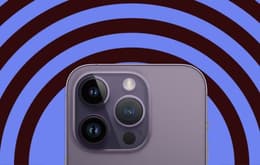
Galaxy A25 Vs iPhone 14 Pro Max

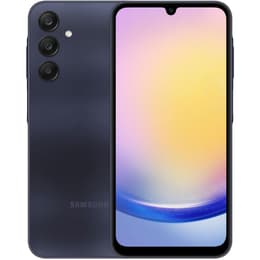
Galaxy A25
Galaxy A25
Starting at

Refurbished price:£120.00

Versus £272.58 new

See options
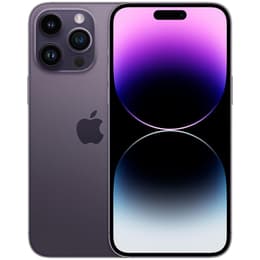
iPhone 14 Pro Max
iPhone 14 Pro Max
Starting at

Refurbished price:£330.00

Versus £1,199.00 new

See options

Ratings

The Samsung Galaxy A25 (2024) and the Apple iPhone 14 Pro Max (2022) offer distinct experiences tailored to different user priorities within the smartphone market. The Galaxy A25 is a modern, practical device running the Android operating system, while the iPhone 14 Pro Max is a powerful, large-format flagship running iOS. Choosing between them involves weighing the benefits of a newer, practical device against a slightly older but more feature-rich professional-grade model that remains highly capable in the current year.

Scores

Durability

While the Galaxy A25 is a newer release, the iPhone 14 Pro Max was built with materials designed for long-term resilience and continues to receive consistent software support from its manufacturer.

  • Software Longevity: The Galaxy A25 comes with a commitment for four generations of Android OS updates and five years of security patches, ensuring it remains current until 2028. The iPhone 14 Pro Max, despite being older, typically benefits from a long-term update cycle, often receiving new features and security enhancements for six or more years from its original launch date.
  • Build Resilience: The iPhone 14 Pro Max features a stainless steel frame and a specialised glass front, providing a sturdy feel and high resistance to daily wear. In contrast, the Galaxy A25 utilises a reinforced plastic construction, which is lighter and less prone to shattering if dropped, though it may show surface scratches more easily over time.
  • Repair Accessibility: Both manufacturers have improved their repair programmes, but the Galaxy A25's simpler internal design often makes basic component replacements more straightforward for technicians compared to the complex internal layout of the flagship model.

Performance

The two devices handle daily tasks with ease, though they are optimised for different levels of intensity and multitasking requirements based on their internal hardware.

  • System Responsiveness: The iPhone 14 Pro Max utilises high-performance internal hardware that ensures smooth operation even when running the most demanding professional applications or high-end games. The Galaxy A25 provides a reliable experience for everyday activities like web browsing and streaming, though it may show slight pauses when switching between many large applications simultaneously.
  • Multitasking and Memory: With its efficient management of background tasks, the iPhone 14 Pro Max excels at keeping multiple apps ready for instant use. The Galaxy A25 offers generous memory options for its class, allowing users to keep several standard apps open without the system needing to refresh them frequently.
  • Battery Endurance: Both phones are designed to last through a full day of typical use. The Galaxy A25 benefits from a large battery capacity and power-efficient components, while the iPhone 14 Pro Max uses intelligent software optimisation to stretch its battery life, particularly during video playback or long periods of standby.

Memory (GB)

6 GB

6 GB

Screen quality

Display technology is a highlight for both models, though the iPhone 14 Pro Max offers more advanced features for brightness and fluid motion during outdoor use.

  • Visual Clarity and Technology: The Galaxy A25 features a Super AMOLED display that provides deep blacks and vibrant colours, making it excellent for watching movies. The iPhone 14 Pro Max uses a sophisticated OLED panel that offers even higher peak brightness, which is particularly helpful for viewing the screen clearly under direct, bright sunlight.
  • Motion Smoothness: Both devices support a high refresh rate of 120Hz, which makes scrolling through lists and navigating the interface feel very fluid. The iPhone 14 Pro Max includes variable refresh rate technology, which can slow down the screen when it is static to save power, a feature not present on the more traditional display of the Galaxy A25.
  • Viewing Experience: The iPhone 14 Pro Max has a slightly larger screen and features a functional area at the top that displays notifications and background activity. The Galaxy A25 uses a more traditional notch design, providing a large, uninterrupted canvas for media consumption and daily tasks.

Audiovisual

Photography and video capabilities represent one of the largest differences between these two smartphones, catering to casual users and content creators respectively.

  • Camera Versatility: The iPhone 14 Pro Max includes a professional-grade triple-lens system, featuring a dedicated telephoto lens for high-quality zoomed-in photos. The Galaxy A25 uses a triple-camera setup as well, but it focuses on a high-resolution main sensor and an ultra-wide lens, which is great for landscapes but lacks the optical zoom range of its counterpart.
  • Video Production: For users who record a lot of video, the iPhone 14 Pro Max offers advanced stabilisation and specialised modes that mimic professional film cameras. The Galaxy A25 provides stable, clear video for everyday memories and social sharing, though it lacks the advanced colour grading and cinematic focus features found on the flagship model.
  • Audio and Media: The iPhone 14 Pro Max features a powerful stereo speaker system that provides a wide soundstage for movies and music. The Galaxy A25 also includes stereo speakers and maintains a traditional headphone jack, allowing users to connect wired audio equipment without needing an adapter.

Miscellaneous

Practical features like connectivity and physical handling play a significant role in how these devices fit into a user's daily routine and existing accessory collections.

  • Connectivity and Ports: The Galaxy A25 uses a standard USB-C port for charging and data transfer, which is compatible with most modern electronics. The iPhone 14 Pro Max uses a Lightning port and includes magnetic technology, which allows for easy attachment of specialised chargers and accessories to the back of the phone.
  • Security and Sensors: The iPhone 14 Pro Max relies on advanced facial recognition for secure unlocking and payments, which works even in total darkness. The Galaxy A25 utilises a fast and reliable fingerprint sensor built into the power button, providing a physical way to access the device quickly.
  • Handling and Weight: Due to its stainless steel construction and large size, the iPhone 14 Pro Max is significantly heavier, which some users find feels more substantial while others may find it tiring during long periods of use. The Galaxy A25 is lighter and slightly narrower, making it easier to handle with one hand for many people.

Screen size (in)

6.5

6.7

Mobile network

5G

5G

SIM card

Dual Physical SIM

Physical SIM + eSIM

Carrier compatibility

Unlocked

Unlocked

Based on community discussions and user reviews, the choice between the Galaxy A25 and the iPhone 14 Pro Max often comes down to the balance between modern practicality and high-end performance. Users on forums frequently praise the Galaxy A25 for its inclusion of a microSD card slot for expandable storage and the convenience of the headphone jack, features that have become rare in modern phones. Conversely, the iPhone 14 Pro Max is often lauded for its exceptional video quality and the seamless way it integrates with other devices in its ecosystem. Some users have noted that the iPhone can feel heavy in the pocket, while some Galaxy A25 owners mention that the plastic back can feel less rigid than metal alternatives.

Users who prioritise having the latest software features in a lightweight, practical package with expandable storage will find the Galaxy A25 well-suited to their needs. Those who require professional-level camera tools, the highest possible screen brightness, and a more substantial build will likely prefer the iPhone 14 Pro Max. Choosing a quality-assured refurbished option for the iPhone 14 Pro Max allows users to access these flagship features while supporting a more sustainable electronics cycle. Similarly, the Galaxy A25 is available as an eco-friendly alternative for those seeking a reliable, modern smartphone experience. Both devices offer long-term utility, ensuring that your choice supports both your personal requirements and a more responsible approach to technology consumption.


See all articles

Our recent comparisons