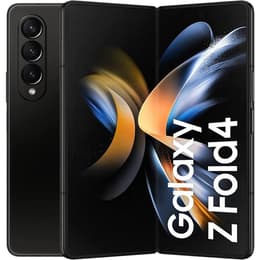
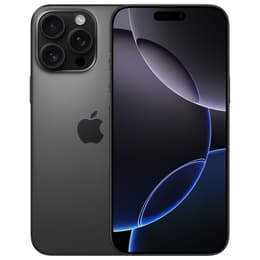

Galaxy Z Fold4 Vs iPhone 16 Pro Max

Galaxy Z Fold4
Galaxy Z Fold4
Starting at

Refurbished price:£352.00

Versus £1,889.00 new

See options
iPhone 16 Pro Max
iPhone 16 Pro Max
Starting at

Refurbished price:£658.00

Versus £1,199.00 new

See options

Ratings

The Samsung Galaxy Z Fold4, released in August 2022, and the Apple iPhone 16 Pro Max, launched in September 2024, represent distinct approaches to high-end smartphone design and functionality. The primary difference lies in their form factor: the Galaxy Z Fold4 offers a unique foldable design that transforms from a traditional smartphone into a tablet-like experience, while the iPhone 16 Pro Max maintains a conventional, large-screen slab design. Both devices operate on different ecosystems, with the Z Fold4 running Android and the iPhone 16 Pro Max powered by iOS, catering to diverse user preferences. These models, now available as quality-assured refurbished options, offer advanced capabilities for users seeking premium mobile technology.

Scores

Durability

When considering the longevity of these devices, their release timelines and software support are key factors.

  • Release Timeline: The Galaxy Z Fold4 was introduced in August 2022, making it an older model compared to the iPhone 16 Pro Max, which debuted in September 2024. The iPhone 16 Pro Max was discontinued in September 2025, but still benefits from Apple's extended software support [13].
  • Software Longevity: The Galaxy Z Fold4 typically receives four years of operating system updates and five years of security updates from its release date [25]. The iPhone 16 Pro Max, running on iOS, benefits from Apple's reputation for providing longer software support, often extending for five to six years or more from its launch, with its original operating system being iOS 18 and current iOS 26.3.1(a) as of March 2026 [13].
  • Physical Durability: The Z Fold4 features an IPX8 water resistance rating, Gorilla Glass Victus+ on its cover screen and back, and an Armor Aluminum frame, with Samsung implementing improvements to its foldable display for enhanced durability [2, 20, 39]. The iPhone 16 Pro Max boasts a titanium design, Ceramic Shield front, and an IP68 rating for water and dust resistance, offering robust protection against everyday elements [1, 8, 13, 21].

Year of Release

2022

2024

Compatible with latest Update

Yes

Yes

Foldable

Yes

No

Performance

Both devices deliver high-level performance, but their underlying architectures and real-world usage impacts differ.

  • Processing Power: The Galaxy Z Fold4 is equipped with a powerful processor that handles demanding applications and multitasking smoothly, providing a responsive experience for productivity and entertainment [2, 10, 24]. The iPhone 16 Pro Max features an advanced, current-generation chip designed for exceptional speed and efficiency, resulting in fluid navigation, rapid app loading, and superior performance in graphically intensive tasks and AI-driven features [1, 13, 22, 35].
  • Multitasking and Memory: The Z Fold4 comes with 12GB of RAM, facilitating seamless transitions between numerous open applications and efficient handling of complex workflows, especially when utilizing its larger internal display [2, 9, 24]. The iPhone 16 Pro Max typically includes 8GB of RAM, which, combined with iOS's optimized memory management, ensures excellent multitasking capabilities and sustained performance even under heavy load [3, 13, 28, 30].
  • Battery Performance: The Galaxy Z Fold4 houses a 4400 mAh battery, which, despite its capacity, provides good endurance for a foldable device, often lasting through a full day of moderate use due to efficient components [4, 17, 27, 31, 34]. The iPhone 16 Pro Max is known for its exceptional battery life, with a 4685mAh battery that consistently delivers extended usage times, often exceeding 18 hours in various tests, making it suitable for users who require prolonged power without frequent recharging [5, 7, 11, 14, 26].

Memory (GB)

12 GB

8 GB

Screen quality

The display experience is a major distinguishing factor between these two smartphones, offering different benefits based on their form factors.

  • Display Technology and Size: The Galaxy Z Fold4 features a 7.6-inch foldable Dynamic AMOLED 2X main display and a 6.2-inch Dynamic AMOLED 2X cover display, both offering vibrant colors and deep blacks with a 120Hz adaptive refresh rate [2, 15, 16, 25, 33]. The iPhone 16 Pro Max sports a single 6.9-inch Super Retina XDR OLED display, known for its precise color accuracy and high contrast [1, 8, 13, 18, 23, 32].
  • Resolution and Clarity: The Z Fold4's main display has a resolution of 1812 x 2176 pixels, providing a sharp and immersive viewing area, while its cover screen offers 904 x 2316 pixels [2, 16, 25]. The iPhone 16 Pro Max delivers a crisp 2868 x 1320-pixel resolution at 460 pixels per inch, ensuring exceptional detail and clarity for all content [1, 8, 13].
  • Brightness and Smoothness: Both devices feature 120Hz adaptive refresh rates for smooth scrolling and responsive interactions. The Z Fold4's main screen can reach a peak brightness of 1200 nits, offering good visibility in various lighting conditions [15, 33]. The iPhone 16 Pro Max excels in brightness, with typical brightness of 1000 nits, peak HDR brightness of 1600 nits, and an impressive 2000 nits for outdoor use, ensuring excellent readability even in direct sunlight [1, 8, 13, 23].

Resolution

1812 x 2176

1320 x 2868

Screen type

Foldable Dynamic AMOLED 2X

LTPO Super Retina XDR OLED

Audiovisual

Both smartphones offer advanced camera systems designed to capture high-quality photos and videos, though with different strengths.

  • Rear Camera System: The Galaxy Z Fold4 features a versatile triple camera setup, including a 50MP wide-angle main sensor, a 12MP ultrawide lens, and a 10MP telephoto lens with 3x optical zoom, capable of capturing detailed images across various scenarios [2, 6, 19, 24, 25, 29, 37]. The iPhone 16 Pro Max boasts a professional-grade camera system with a 48MP main sensor, a 48MP ultrawide lens, and a 12MP telephoto lens offering 5x optical zoom, known for its advanced computational photography and image processing [1, 3, 12, 13, 21, 36].
  • Low-Light and Everyday Photography: The Z Fold4's main camera performs well in everyday conditions, producing vibrant and detailed shots, with notable improvements in low-light performance compared to its predecessor [6, 19, 29]. The iPhone 16 Pro Max is recognized for its superior low-light capabilities, capturing bright and clear images with excellent detail and minimal noise, alongside consistent high-quality results in various lighting situations [1, 3, 12].
  • Video Recording and Front Cameras: The Z Fold4 supports video recording up to 8K at 24 frames per second, and features a 10MP cover camera for high-quality selfies and a 4MP under-display camera on the main screen for video calls [2, 9, 29, 37, 39]. The iPhone 16 Pro Max offers advanced video recording features, including 4K Dolby Vision at various frame rates and spatial video capture, complemented by a 12MP TrueDepth front camera that excels in detail and depth sensing for selfies and secure facial recognition [1, 3, 12, 13].

Main camera

50 megapixels

48 megapixels

Front camera

4 megapixels

12 megapixels

Miscellaneous

Beyond core features, several practical elements contribute to the overall user experience of each device.

  • Connectivity and Ports: Both devices support 5G connectivity for fast mobile data. The Galaxy Z Fold4 includes Wi-Fi 6E and Bluetooth 5.2, along with a USB-C 3.2 port for charging and data transfer [2, 39]. The iPhone 16 Pro Max features Wi-Fi 7 and a USB-C port, offering advanced wireless capabilities and modern wired connectivity [1, 13, 32].
  • Biometric Security and Interaction: The Z Fold4 utilizes a side-mounted fingerprint sensor for secure unlocking [2, 9, 24, 39]. The iPhone 16 Pro Max relies on Face ID for secure facial recognition and introduces an Action Button and a dedicated Camera Control Button for customizable shortcuts and enhanced camera operation [1, 13, 14, 21, 32].
  • Design and Handling: The Galaxy Z Fold4's unique folding design allows for a compact form factor when closed and an expansive screen when unfolded, weighing 263 grams [2, 9, 24]. The iPhone 16 Pro Max, with its titanium frame, offers a premium feel and weighs 227 grams, providing a substantial yet manageable feel in hand [1, 13, 32].

Weight

263 g

227 g

Screen size (in)

7.6

6.9

Mobile network

5G

5G

SIM card

Dual Physical SIM + eSIM

Physical SIM + eSIM

Carrier compatibility

Unlocked

Unlocked

The Samsung Galaxy Z Fold4 and the iPhone 16 Pro Max cater to different user priorities, each excelling in its own domain. Users often praise the Z Fold4 for its innovative foldable display, which offers a tablet-like experience for productivity and media consumption, making it a versatile device for those who value screen real estate and multitasking capabilities. Its robust Android ecosystem and S Pen support (for compatible models) are also frequently highlighted as benefits. Some common criticisms, however, include the visible crease on the inner display and its relatively higher weight compared to traditional smartphones.

Conversely, the iPhone 16 Pro Max is consistently lauded for its exceptional battery life, powerful performance, and advanced camera system, which delivers consistent, high-quality results across various photography and videography scenarios. Its seamless integration within the Apple ecosystem and long-term software support are also strong points. While its larger size is a benefit for some, it can be a point of contention for users preferring a more compact device.

Users prioritizing a large, adaptable screen for productivity, media, and a unique form factor may find the Galaxy Z Fold4 well-suited to their needs. Those who prioritize class-leading battery life, a highly refined camera experience, and the robust iOS ecosystem will likely lean towards the iPhone 16 Pro Max. Both devices, whether new or as quality-assured refurbished options, offer compelling experiences for different user profiles, enabling informed and sustainable choices.


See all articles

Our recent comparisons