
Compare models
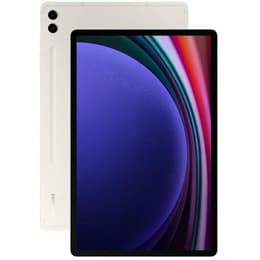
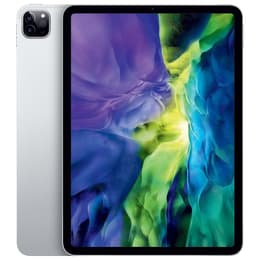
Galaxy Tab S9+ (12.4", 2023) Vs iPad Pro (2020, A12 series)
- 1-year minimum warranty
- Free delivery on all items
- Free 30-day returns
Differences at a glance
The Samsung Galaxy Tab S9+ (2023) and the Apple iPad Pro 12.9 (2020) are high-performance large-screen tablets designed to handle demanding workflows, media consumption, and creative tasks. While the Galaxy Tab S9+ runs on Android with a focus on flexible multitasking and stylus integration, the iPad Pro operates on iPadOS within Apple's ecosystem, utilizing a mature tablet interface.
These devices differ significantly in release year, screen technology, and software environments, making them suited to distinct user preferences.
Available Models
Colour
Storage (GB)
Scores
Durability
When evaluating longevity, the release timeline and ongoing software support cycles create practical differences between these two generations of hardware.
- Release timeline and update support: The Galaxy Tab S9+ arrived in 2023, while the iPad Pro launched in 2020, meaning the Samsung device benefits from a longer window of future security updates and system upgrades.
- Software longevity and lifespan: Both models offer sturdy aluminum construction and reliable physical durability, though the newer release date of the Samsung tablet gives it an advantage for users seeking extended support lifetimes.
- Repairability and build integrity: Both tablets feature sealed glass and metal chassis that require professional care for internal component repairs, matching industry norms for thin portable electronics.
Year of Release
2023
2020
Compatible with latest Update
Yes
Yes
OS
Android
iPadOS
Performance
System capabilities and everyday responsiveness reflect the generational gap in hardware design and memory allocation between both platforms.
- App loading and multitasking: The Galaxy Tab S9+ handles heavy creative applications and split-screen multitasking with ease thanks to its current-generation processor and ample memory pool, while the iPad Pro manages routine workflows and professional apps smoothly via its mature multi-core architecture.
- Storage configurations: Both devices offer generous capacity tiers starting at ample baseline levels, with the Samsung option supporting physical storage expansion via microSD cards.
- Battery behavior: Large internal battery capacities on both models allow for solid full-day use under mixed conditions, though intensive gaming or high-brightness video streaming will necessitate more regular charging intervals.
Screen quality
Display technology sets these two large-screen devices apart, introducing distinct visual characteristics for media viewing and daily navigation.
- Display technology and panels: The Galaxy Tab S9+ utilizes a dynamic OLED screen that delivers deep black levels and vivid contrast, whereas the iPad Pro relies on a traditional liquid crystal panel with high peak brightness and uniform color accuracy.
- Refresh rate and smoothness: Both tablets support high refresh rates up to 120Hz, ensuring fluid scrolling, responsive handwriting input, and smooth animation transitions.
- Viewing experience: Generous screen real estate near 12.4 to 12.9 inches provides ample space for productivity tasks, document editing, and split-screen window layouts on either device.
Resolution
1752 x 2800
2732 x 2048
Screen type
Dynamic AMOLED 2X
Liquid Retina display
Pixel density
270ppp
264ppp
Audiovisual
Optics and media reproduction capabilities cater well to video calls, casual photography, and sound playback during daily routines.
- Camera systems: Both models feature capable main rear lenses and front-facing cameras positioned for landscape video conferences, alongside specialized sensors for depth mapping or augmented reality tasks.
- Audio output: Quad-speaker arrays on both tablets produce clear, room-filling sound suitable for watching movies or listening to music without external headphones.
- Microphone clarity: Integrated multi-microphone setups isolate voices effectively during virtual meetings and audio recording sessions.
Miscellaneous
Physical dimensions and connectivity features define how easily each tablet fits into travel bags and mobile setups.
- Portability and handling: Both devices maintain remarkably thin profiles under 6 millimeters, though the Galaxy Tab S9+ is slightly lighter, making long handheld reading sessions marginally less tiring.
- Connectivity standards: Modern Wi-Fi protocols and Bluetooth connectivity come standard on both units, with optional cellular configurations available for mobile data access on the go.
- Included accessories: The Samsung model includes a low-latency stylus in the box, whereas Apple users typically purchase a separate stylus or keyboard attachment to complete their setup.
Weight
129 g
643 g
Screen size (in)
12.4
12.9
Network
Wi-Fi
Wi-Fi + 4G
Carrier compatibility
Unlocked
Unlocked
What the community thinks
User discussions across online communities frequently praise the Galaxy Tab S9+ for its vibrant OLED panel and the inclusion of a responsive stylus out of the box, though some users note that Android's tablet app ecosystem continues to evolve. Conversely, the iPad Pro receives consistent acclaim for its robust build quality and fluid software ecosystem, while long-term users sometimes point out limitations within older file management workflows.
Users prioritizing deep contrast levels, expandable storage, and an included stylus will find the Galaxy Tab S9+ well-suited to their needs. On the other hand, users embedded in Apple's software environment who value traditional trackpad integration and a large canvas may lean toward the iPad Pro. Choosing a quality-assured refurbished option provides an eco-friendly alternative that extends device life cycles while supporting more sustainable technology consumption.