Compare models
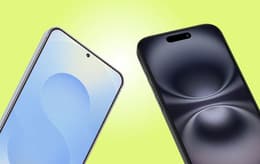
Galaxy S25 FE Vs iPhone 15 Plus
- 1-year minimum warranty
- Free delivery on all items
- Free 30-day returns
Differences at a glance
The Samsung Galaxy S25 FE (2025) and the Apple iPhone 15 Plus (2023) represent large-screen smartphone options tailored for users who value expansive viewing areas and robust everyday capability. While the Samsung Galaxy S25 FE runs on the Android platform with Samsung's custom interface, the iPhone 15 Plus operates on Apple's iOS ecosystem. These devices differ significantly in their launch years, software environments, and hardware layouts, making each model uniquely suited to distinct user preferences.
Available Models
Colour
Storage
Scores
Durability
When evaluating longevity, both smartphones offer multi-year support structures, though their release schedules and update lifecycles differ.
- Release timeline and OS support: The Samsung Galaxy S25 FE enters the market two years after the iPhone 15 Plus, providing an extended window of manufacturer software patches and major operating system upgrades.
- Repairability and build durability: Both models utilize robust aluminum frames and reinforced glass protection, scoring similarly in standard structural durability and component repair availability.
- Expected lifespan: Users can anticipate several years of reliable daily operation from either device, with the more recent release maintaining software relevancy further into the future.
Year of Release
2025
2023
Compatible with latest Update
Yes
Yes
OS
Android
iOS
Foldable
No
No
Performance
Both devices handle daily workloads, communication tools, and media streaming smoothly, utilizing distinct internal hardware architectures.
- Storage configurations: Both models are available across multiple storage tiers starting at baseline capacities suitable for everyday apps, photos, and offline media storage.
- Processor capability and multitasking: Current-generation internal processors ensure rapid application switching, responsive navigation, and smooth execution of demanding mobile games or productivity software.
- Battery behavior: Each device incorporates energy-efficient management to sustain typical usage patterns through a full day, complemented by fast-charging capabilities to minimize downtime.
Screen quality
Large display panels on both smartphones deliver sharp details and vivid color reproduction for media consumption and web browsing.
- Display technology: Both models feature bright OLED screens that offer deep black levels, high contrast ratios, and wide viewing angles for outdoor and indoor visibility.
- Refresh rate and smoothness: The Galaxy S25 FE features a high refresh rate panel for smooth scrolling and fluid interface animations, while the iPhone 15 Plus utilizes a standard refresh rate configuration.
- Viewing experience: Both 6.7-inch screens provide ample canvas space for reading documents, viewing photos, and watching videos comfortably.
Audiovisual
Photography and media recording hardware on these handsets cater to everyday creators, casual photographers, and video callers alike.
- Camera system layout: The Galaxy S25 FE incorporates a versatile triple-lens rear setup including a dedicated telephoto zoom lens, whereas the iPhone 15 Plus relies on a dual-lens system with high-resolution main sensor cropping capabilities.
- Low-light and video performance: Both devices capture clear images in challenging lighting conditions and support stable high-definition video recording with crisp audio capture.
- Audio and media output: Stereo speaker configurations on both models deliver clear sound output for hands-free calls, podcasts, and casual video viewing.
Miscellaneous
Practical physical and connectivity features shape how these smartphones integrate into daily routines and travel requirements.
- Connectivity and ports: Both models support modern 5G networks, fast Wi-Fi standards, and utilize universal USB Type-C ports for charging and data transfer.
- Security and authentication: The Galaxy S25 FE offers biometric security through an in-display fingerprint sensor and facial recognition, while the iPhone 15 Plus relies exclusively on facial mapping technology.
- Handling and ergonomics: Despite sharing identical screen sizes, minor variations in weight, corner curvature, and frame thickness influence how each device rests in the hand or pocket.
Weight
190 g
201 g
Screen size (in)
6.7
6.7
Mobile network
5G
5G
SIM card
Physical SIM + eSIM
Physical SIM + eSIM
Carrier compatibility
Unlocked
Unlocked
Connector
USB-C
USB-C
What the community thinks
User feedback from online communities highlights strong satisfaction with the screen clarity, battery endurance, and general build quality of both devices. Common discussions often focus on ecosystem preferences, with Android users praising customization options and iOS users highlighting interface consistency. Choosing between the two models depends largely on individual workflow habits and preferred software environments.
Users who prioritize a high refresh rate display, a dedicated optical zoom lens, and the flexibility of the Android ecosystem may prefer the Samsung Galaxy S25 FE. Conversely, users who favor the streamlined simplicity of iOS and a simplified dual-camera workflow will find the Apple iPhone 15 Plus well-suited to their needs. For those exploring sustainable purchasing habits, a quality-assured refurbished option provides an eco-friendly alternative that extends the lifecycle of these capable devices.