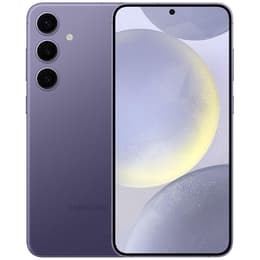
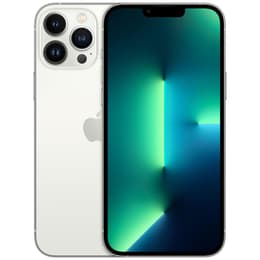

Galaxy S24+ Vs iPhone 13 Pro Max

Galaxy S24+
Galaxy S24+
Starting at

Refurbished price:£335.00

Versus £949.36 new

See options
iPhone 13 Pro Max
iPhone 13 Pro Max
Starting at

Refurbished price:£272.00

Versus £1,259.00 new

See options

Ratings

The Samsung Galaxy S24 Plus (2024) and the iPhone 13 Pro Max (2021) represent two distinct generations of flagship smartphone technology. While the Galaxy S24 Plus is a more recent release featuring the latest Android software and integrated AI capabilities, the iPhone 13 Pro Max remains a powerful contender within the iOS ecosystem, known for its robust build and enduring battery life. Choosing between them often comes down to a preference for operating systems and how much importance a user places on having the very latest hardware versus a proven, high-performance device from a few years ago.

For many consumers, choosing a quality-assured refurbished option is an eco-friendly alternative that allows access to these high-end features while supporting a more circular economy. Both devices offer large displays and professional-grade camera systems, but they cater to different user habits and expectations regarding software longevity and physical design. This comparison explores the practical differences that will help you decide which of these large-format smartphones best aligns with your daily needs and long-term usage goals.

Scores

Durability

The release gap of nearly three years between these devices significantly impacts their expected software support and long-term utility in a rapidly evolving digital landscape.

  • Software Longevity: The Galaxy S24 Plus benefits from a commitment to seven years of security and operating system updates, which means it is designed to remain current and secure until 2031.
  • Update Cycle: The iPhone 13 Pro Max continues to receive regular iOS updates, but because it was released in 2021, it is naturally closer to the end of its major software support window, which typically spans six to seven years from the initial launch date.
  • Repairability and Build: Both manufacturers have made strides in making parts more accessible, though the Galaxy S24 Plus features a design that is slightly more modular for internal component replacements, whereas the iPhone 13 Pro Max uses a highly integrated stainless steel and glass assembly that requires specific tools for professional servicing.

Year of Release

2024

2021

Compatible with latest Update

Yes

Yes

OS

Android

iOS

Foldable

No

No

Performance

Both smartphones handle demanding tasks with ease, though they manage power and multitasking differently due to their internal architectures and memory management styles.

  • Multitasking and Speed: The Galaxy S24 Plus offers a highly responsive experience when switching between numerous open apps, aided by a generous amount of temporary memory that prevents background tasks from closing unexpectedly during heavy use.
  • Battery Endurance: Users of the iPhone 13 Pro Max frequently report exceptional battery life that comfortably lasts through a full day of intensive activity, while the Galaxy S24 Plus uses modern power-saving technology and a large battery cell to achieve similar longevity despite its more demanding modern internals.
  • System Responsiveness: Everyday tasks like web browsing, document editing, and social media navigation feel instantaneous on both devices, though the newer processor in the Galaxy S24 Plus provides more performance headroom for future applications that may require more processing power.

Memory (GB)

12 GB

6 GB

Screen quality

While both devices feature large 6.7-inch displays that are ideal for media consumption, the technology behind them has evolved between their respective release dates to offer different visual benefits.

  • Display Technology and Brightness: The Galaxy S24 Plus uses a modern AMOLED screen that reaches very high peak brightness levels, making it significantly easier to read and navigate under direct sunlight compared to the older display on the iPhone 13 Pro Max.
  • Smoothness and Motion: Both phones feature adaptive refresh rates that reach up to 120Hz, ensuring that scrolling through long articles or playing fast-paced games feels fluid and responsive without unnecessary stuttering.
  • Clarity and Color Reproduction: The iPhone 13 Pro Max is widely praised for its natural color accuracy and sharp resolution, which remains competitive even against newer models, providing an immersive and realistic experience for watching high-definition videos or editing mobile photography.

Resolution

1440 x 3120

1284 x 2778

Screen type

Dynamic LTPO AMOLED 2X

Super Retina XDR OLED

Audiovisual

The camera systems on these devices are designed for versatility, offering multiple lenses to capture everything from wide landscapes to distant subjects with professional clarity.

  • Photography Versatility: The Galaxy S24 Plus features a high-resolution main sensor that captures fine details in daylight, while its dedicated telephoto lens allows for clearer shots of far-away objects compared to many standard smartphone cameras.
  • Video and Low Light: The iPhone 13 Pro Max is often cited by users for its consistent video stabilization and natural-looking footage, as well as its ability to capture clear, low-noise images in dimly lit environments thanks to its large sensors and specialized night mode.
  • Audio and Media: Both smartphones provide clear stereo sound through their integrated speakers and utilize high-quality microphone arrays that effectively filter out background noise during video calls or voice recordings, ensuring a professional audio experience for both creators and casual users.

Main camera

50 megapixels

12 megapixels

Front camera

12 megapixels

12 megapixels

Miscellaneous

Practical design choices and connectivity standards differ between these two generations, affecting how users interact with their devices and accessories on a daily basis.

  • Connectivity and Ports: The Galaxy S24 Plus utilizes the universal USB-C standard for charging and data transfer, which is compatible with most modern laptops and tablets, whereas the iPhone 13 Pro Max uses the proprietary Lightning port.
  • Biometrics and Security: The Galaxy S24 Plus features an ultrasonic fingerprint sensor hidden under the glass for quick and secure unlocking, while the iPhone 13 Pro Max relies on facial recognition technology that works effectively even in complete darkness or while wearing glasses.
  • Physical Handling and Weight: Despite having the same screen size, the Galaxy S24 Plus is notably lighter and slightly narrower, making it somewhat easier to handle in one hand compared to the broader, heavier stainless steel frame of the iPhone 13 Pro Max, which some users find more substantial but tiring during long periods of use.

Weight

196 g

238 g

Screen size (in)

6.7

6.7

Mobile network

5G

5G

SIM card

Dual Physical SIM + eSIM

Physical SIM + eSIM

Carrier compatibility

Unlocked

Unlocked

The choice between the Galaxy S24 Plus and the iPhone 13 Pro Max involves weighing the benefits of a brand-new device against a high-end classic. User consensus from online forums suggests that the iPhone 13 Pro Max is still beloved for its durable build quality and reliable battery performance, though some note its weight can be a drawback. Conversely, the Galaxy S24 Plus is praised for its lightweight feel and the long-term peace of mind promised by its extended software support, though some users prefer the specific ecosystem features and interface found on iOS.

Users who prioritize having the latest software features, a lighter device for one-handed use, and a screen that performs exceptionally well in bright outdoor conditions will likely find the Galaxy S24 Plus to be the better fit for their lifestyle. Those who prefer the iOS interface, value a heavy and sturdy physical feel, and want a proven camera system for consistent video recording may lean toward the iPhone 13 Pro Max. For those looking to make a sustainable choice, opting for a quality-assured refurbished option is an eco-friendly alternative that provides high-end performance without the environmental impact of a new purchase. Ultimately, both devices offer a premium experience that meets the needs of professionals, students, and travelers alike, ensuring that your choice remains functional and capable for years to come.
See all articles

Our recent comparisons