
Compare models
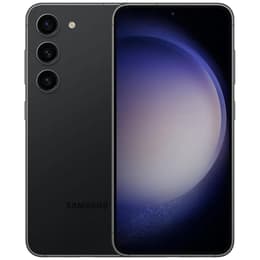
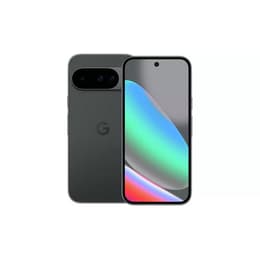
Galaxy S23 Vs Google Pixel 10
- 1-year minimum warranty
- Free delivery on all items
- Free 30-day returns
Differences at a glance
The Samsung Galaxy S23 (2023) and the Google Pixel 10 (2025) are popular smartphones offering distinct software ecosystems and hardware priorities. While the Galaxy S23 focuses on a compact, pocket-friendly footprint with robust everyday efficiency, the Google Pixel 10 emphasizes advanced generative capabilities and a clean operating system experience. Both devices run on the Android operating system, though they deliver different interface designs and software support timelines.
Available Models
Colour
Storage (GB)
Scores
Durability
When evaluating hardware longevity and software support, both devices provide extended manufacturer updates, though their release timelines differ by over two years.
- Software Support Window: The Google Pixel 10 benefits from an extended software update commitment spanning many years, whereas the Galaxy S23 operates on an earlier release schedule with a shorter remaining update lifecycle.
- Build Durability: Both models feature robust water resistance ratings and reinforced glass protection designed to withstand routine daily wear and accidental drops.
- Expected Lifespan: Users can expect several years of reliable daily operation from both handsets, though battery degradation over time will depend heavily on individual charging habits.
Year of Release
2023
2025
Compatible with latest Update
Yes
Yes
OS
Android
Android
Foldable
No
No
Performance
Daily operation and multitasking handle demanding applications smoothly on both devices, though they employ different hardware configurations to manage system responsiveness.
- Multitasking Handling: The Google Pixel 10 includes a larger capacity of system memory, allowing numerous background applications to remain active simultaneously, while the Galaxy S23 relies on refined hardware-software optimization for fluid task switching.
- Battery Endurance: The Google Pixel 10 incorporates a larger battery capacity designed to comfortably clear a full day of mixed usage, whereas the Galaxy S23 features a more compact cell that may require a midday top-up for heavy users.
- Storage Configurations: Both devices offer standard starting storage tiers without expandable memory support, making cloud storage or higher internal tiers important considerations for media-heavy users.
Screen quality
Visual output on both models utilizes advanced display technologies to ensure sharp text reproduction and vivid media consumption.
- Display Technology: Both phones incorporate vibrant OLED panels that deliver deep contrast levels and rich color reproduction for viewing photos and streaming videos.
- Refresh Rate Smoothness: High refresh rate support ensures fluid scrolling through web pages and responsive touch interactions across both interfaces.
- Outdoor Visibility: High peak brightness capabilities on both screens allow for clear legibility when using the devices under direct sunlight.
Resolution
1080 x 2340
1080x2424
Screen type
Dynamic AMOLED 2X
OLED
Audiovisual
Photography and video capture capabilities differ in processing style, offering versatile multi-lens arrays suited for various shooting scenarios.
- Main Camera Performance: Both devices capture crisp, detailed photographs in daylight and utilize specialized software algorithms to retain clarity in challenging low-light environments.
- Zoom and Auxiliary Lenses: The Google Pixel 10 features a dedicated telephoto lens configuration for distant subjects, while the Galaxy S23 utilizes a balanced triple-lens layout covering wide, ultra-wide, and optical zoom perspectives.
- Video and Audio: Video recording remains steady and clear on both models, supported by effective background noise reduction during voice calls and media playback.
Front camera
12 megapixels
42 megapixels
Miscellaneous
Physical dimensions, connectivity standards, and daily handling characteristics vary noticeably between the two models.
- Size and Weight: The Galaxy S23 offers a remarkably compact and lightweight chassis that suits single-handed use, whereas the Google Pixel 10 presents a slightly larger and heavier footprint to accommodate its expanded screen and battery size.
- Port and Connectivity: Both models utilize standard reversible charging ports and include modern wireless connectivity standards, alongside secure under-display fingerprint sensors for biometric authentication.
Weight
167 g
204 g
Screen size (in)
6.1
6.3
Mobile network
5G
5G
SIM card
Dual Physical SIM + eSIM
Physical SIM + eSIM
Carrier compatibility
Unlocked
Unlocked
Connector
USB-C
USB-C
What the community thinks
User feedback from online communities highlights distinct preferences for each device based on daily habits. Owners of the Galaxy S23 frequently praise its lightweight handling and comfortable one-handed ergonomics, though some note that heavier tasks draw down the smaller battery quickly. Conversely, Google Pixel 10 users highlight the intuitive software interface and reliable image processing, while occasional discussions point out its heavier physical build.
Users prioritizing a lightweight and compact form factor may prefer the Samsung Galaxy S23, while users seeking a larger display and extended software support timelines often lean toward the Google Pixel 10. For those considering a sustainable choice, a quality-assured refurbished option provides a reliable, eco-friendly alternative to purchasing brand-new hardware. Selecting the right model ultimately depends on individual preferences for physical size and software features.