
Compare models

Galaxy S22+ 5G Vs iPhone 17 Pro Max

  • 1-year minimum warranty
  • Free delivery on all items
  • Free 30-day returns
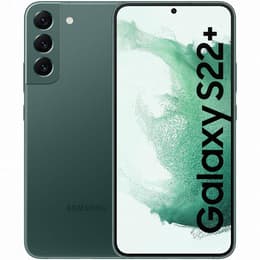
Galaxy S22+ 5G
Starting at

Refurbished price:£220.00

Versus £1,059.00 new

See options
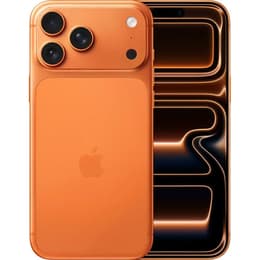
iPhone 17 Pro Max
Starting at

Refurbished price:£924.00

Versus £1,199.00 new

See options

Differences at a glance

The Samsung Galaxy S22+ 5G (2022) and the Apple iPhone 17 Pro Max (2025) represent two distinct generations and ecosystems in the high-end smartphone market. While the Galaxy S22+ offers a balanced Android experience with a streamlined frame, the iPhone 17 Pro Max introduces a much newer hardware architecture running iOS, featuring larger display dimensions and expanded internal capabilities. Choosing between them depends on software preferences and generational feature sets.

Available Models

Colour

Storage

Scores

Durability

Evaluating the longevity of these devices reveals clear differences rooted in their release timelines and support windows.

  • Release timeline and support: The Galaxy S22+ arrived in early 2022, whereas the iPhone 17 Pro Max debuted in late 2025, giving the Apple device a significant advantage in remaining software support windows.
  • Software updates: The iPhone model benefits from extended multi-year system updates typical of recent Apple releases, while the Galaxy model is further along in its manufacturer-supported software lifecycle.
  • Repairability and build: Both phones utilize robust aluminum frames and reinforced glass panels, though older hardware naturally experiences battery degradation sooner unless serviced through a quality-assured refurbished option.

Year of Release

2022

2025

Compatible with latest Update

Yes

Yes

OS

Android

iOS

Foldable

No

No

Performance

System responsiveness and everyday utility vary due to generational advancements in internal components and memory allocation.

  • Multitasking capacity: The iPhone 17 Pro Max handles demanding multi-app workflows and high-end gaming effortlessly with its generous memory pool, while the Galaxy S22+ manages daily apps and moderate multitasking reliably.
  • Storage configurations: The Apple device starts with higher base storage and scales up significantly for media-heavy users, compared to the more traditional storage tiers found on the Samsung handset.
  • Battery endurance: The larger physical footprint of the iPhone allows for extended screen-on time during heavy use, whereas the Galaxy S22+ typically requires a top-up by the end of a busy day.

Screen quality

Viewing media and interacting with on-screen content differs based on panel dimensions, refresh capabilities, and maximum brightness output.

  • Display technology: Both devices employ vibrant OLED panels with deep contrast levels and smooth 120Hz refresh rates for fluid scrolling through menus and web pages.
  • Screen dimensions: The iPhone 17 Pro Max features a notably larger viewing area for immersive media consumption, while the Galaxy S22+ adopts a more pocket-friendly form factor.
  • Outdoor visibility: Both screens reach high peak brightness levels, ensuring legibility under direct sunlight, though newer panel calibrations offer subtle improvements in color accuracy.

Resolution

1080 x 2340

2868x1320

Screen type

Dynamic AMOLED 2X

Super Retina XDR

Audiovisual

Capturing photos and recording video highlights divergent optical setups and processing pipelines between the two ecosystems.

  • Camera versatility: The iPhone 17 Pro Max incorporates multiple high-resolution sensors across its main, ultra-wide, and telephoto lenses, providing flexible zoom options. The Galaxy S22+ relies on a dependable triple-lens configuration suited for everyday snapshots and standard optical zoom.
  • Video recording: Apple maintains robust pro-level video formats and stabilization tools, whereas Samsung delivers crisp high-definition and cinematic recording modes with reliable audio capture.
  • Media output: Built-in stereo speakers on both devices offer clear sound output for casual video viewing and hands-free calls.

Main camera

50 megapixels

48 megapixels

Front camera

10 megapixels

18 megapixels

Miscellaneous

Practical day-to-day usability is shaped by physical dimensions, connectivity standards, and biometric authentication methods.

  • Handling and weight: The Galaxy S22+ is lighter and narrower, making it easier to hold with one hand, while the iPhone 17 Pro Max is heavier and wider to accommodate its expansive screen.
  • Connectivity: Both models support fast 5G networks, modern Wi-Fi standards, and Bluetooth, though they utilize different physical connection ports respective to their operating ecosystems.
  • Security sensors: Samsung uses an ultrasonic in-display fingerprint reader alongside facial recognition, while Apple relies exclusively on its secure 3D face recognition system.

Weight

195 g

233 g

Screen size (in)

6.6

6.9

Mobile network

5G

5G

SIM card

Dual Physical SIM + eSIM

Physical SIM + eSIM

Carrier compatibility

Unlocked

Unlocked

Connector

USB-C

USB-C

What the community thinks

Real-world user feedback highlights distinct preferences for each device. Owners of the Galaxy S22+ frequently praise its comfortable handling, sleek profile, and reliable everyday performance, though some note that battery endurance diminishes under heavy workloads over time. Conversely, users of the iPhone 17 Pro Max frequently highlight its exceptional screen real estate, long-lasting battery performance, and advanced camera flexibility, though its larger and heavier chassis requires two-handed use.

Users prioritizing a lighter physical build and Android software may prefer the Galaxy S22+, while users prioritizing expansive display space, maximum battery longevity, and Apple's ecosystem will lean toward the iPhone 17 Pro Max. Choosing a quality-assured refurbished option provides a sustainable choice that extends device lifecycles while reducing electronic waste. Ultimately, the right decision depends on personal comfort with operating systems and preferred physical dimensions.
Our recent comparisons