
Compare models
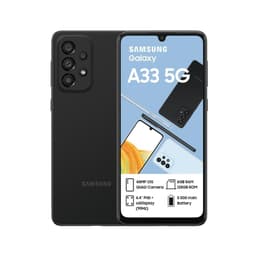
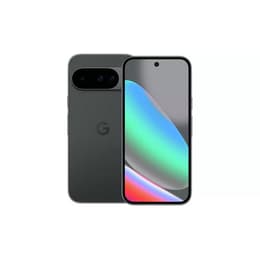
Galaxy A33 5G Vs Google Pixel 10
- 1-year minimum warranty
- Free delivery on all items
- Free 30-day returns
Differences at a glance
The Samsung Galaxy A33 5G (2022) and the Google Pixel 10 (2025) represent entirely different tiers and generations of the smartphone market, catering to distinct user priorities. While the Galaxy A33 5G focuses on delivering essential mobile features with broad accessibility, the Google Pixel 10 introduces advanced next-generation hardware and deeply integrated computing capabilities. Both devices run on the Android operating system, though they offer divergent software interface styles and update schedules. Choosing between them depends on whether a user values straightforward, day-to-day functionality or cutting-edge processing power and advanced computational features.
Available Models
Colour
Storage (GB)
Scores
Durability
When examining longevity and durability, these two devices reflect different design generations and support timelines that impact their long-term viability.
- Release timeline and software support: The Google Pixel 10 benefits from a much later launch year, securing a significantly extended software update timeline compared to the older Galaxy A33 5G. Users seeking maximum software longevity will find the newer device maintains security and feature updates much further into the future.
- Build and repairability: Both models incorporate dust and water resistance ratings, though the materials used reflect modern flagship standards on one side and practical mid-range engineering on the other. Professional repairability scores remain comparable, with standard access points for component replacements.
- Expected practical lifespan: The Google Pixel 10 enters the market with greater performance headroom to handle evolving application requirements over the coming years, whereas the Galaxy A33 5G suits users with stable, long-term utility needs.
Year of Release
2022
2025
Compatible with latest Update
Yes
Yes
OS
Android
Android
Foldable
No
No
Performance
Underneath the surface, these devices handle everyday workloads, multitasking, and storage management through very different performance profiles.
- System responsiveness and multitasking: The Google Pixel 10 handles demanding applications, complex background tasks, and intensive mobile gaming smoothly with advanced thermal management. The Galaxy A33 5G manages standard messaging, web browsing, and casual apps reliably, though heavy multitasking reveals slight delays.
- Storage configurations: The Google Pixel 10 offers high-capacity storage tiers suitable for large media libraries, while the Galaxy A33 5G features expandable storage via a memory card slot, appealing to users who prefer managing physical data storage.
- Battery behavior: Both devices manage daily energy consumption to last through standard use, but differing power efficiency levels mean heavy users will experience different frequencies of charging requirements throughout the day.
Screen quality
Visual output and display technologies shape the primary viewing experience for media consumption, navigation, and outdoor usability.
- Display technology and clarity: Both smartphones utilize vibrant OLED display panels delivering deep blacks and sharp text rendering, though the Google Pixel 10 provides a higher peak resolution and smoother refresh rate for fluid scrolling.
- Outdoor visibility: The Google Pixel 10 features higher maximum brightness levels that maintain legibility under direct sunlight. The Galaxy A33 5G remains usable outdoors, though bright conditions require closer viewing angles.
- Viewing experience: The Google Pixel 10 incorporates slimmer bezels and a more modern front-facing camera cutout, maximizing the active viewing area for video playback compared to the older notch design on the Galaxy A33 5G.
Resolution
1080 x 2400
1080x2424
Screen type
Super AMOLED
OLED
Audiovisual
Imaging capabilities and media output vary significantly based on the hardware configurations and image processing software integrated into each device.
- Camera system versatility: The Google Pixel 10 utilizes advanced computational photography algorithms to deliver detailed shots across challenging lighting conditions, while the Galaxy A33 5G relies on a dependable multi-lens setup for straightforward daylight photography.
- Video recording: The Google Pixel 10 supports stable, high-resolution video capture with enhanced audio isolation and processing features. The Galaxy A33 5G handles standard video recording reliably for casual sharing.
- Audio and media consumption: Built-in stereo speakers on both devices provide adequate sound output for hands-free calls and casual video viewing, though the Google Pixel 10 offers greater acoustic depth and clarity at higher volume levels.
Front camera
13 megapixels
42 megapixels
Miscellaneous
Physical dimensions, connectivity standards, and daily ergonomic factors influence how each smartphone feels and fits into routine handling.
- Connectivity standards: Both devices support 5G cellular networks, modern Wi-Fi protocols, and Bluetooth connectivity, ensuring stable wireless accessories and fast data transfer speeds.
- Biometric security: The Google Pixel 10 features responsive facial recognition and an under-display fingerprint sensor, while the Galaxy A33 5G relies on an optical screen sensor and standard facial scanning options.
- Physical handling: The Galaxy A33 5G provides a lighter, more compact feel in the hand, whereas the Google Pixel 10 features sturdier frame materials that add noticeable weight and a solid structural presence.
Weight
186 g
204 g
Screen size (in)
6.4
6.3
Mobile network
5G
5G
SIM card
Dual Physical SIM
Physical SIM + eSIM
Carrier compatibility
Unlocked
Unlocked
What the community thinks
User discussions across online communities highlight distinct preferences for each device based on everyday requirements. Owners of the Galaxy A33 5G frequently praise its reliable battery longevity, expandable storage flexibility, and dependable day-to-day performance for basic tasks. Common criticisms focus on slower processing speeds during intensive multitasking and modest low-light photography results. Conversely, users of the Google Pixel 10 highlight the fluid display smoothness, advanced photographic capabilities, and extended software lifespan as major advantages, while noting that the device commands a heavier physical footprint and lacks expandable storage.
Users prioritizing long-term software updates, advanced computational photography, and maximum processing power may prefer the Google Pixel 10. Meanwhile, users prioritizing expandable storage, a lightweight build, and straightforward everyday functionality will find the Galaxy A33 5G well-suited to their needs. For consumers exploring sustainable technology choices, opting for a quality-assured refurbished option provides an eco-friendly alternative that extends device life cycles and reduces electronic waste. Evaluating individual daily routines remains the most effective way to determine which smartphone aligns with personal preferences.