Galaxy A33 5G Vs Galaxy S22 5G

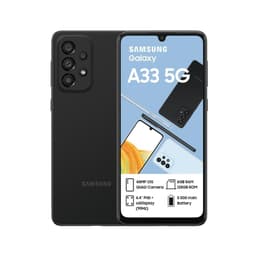
Galaxy A33 5G
Galaxy A33 5G
Starting at

Refurbished price:£102.00

Versus £389.00 new

See options
Galaxy S22 5G
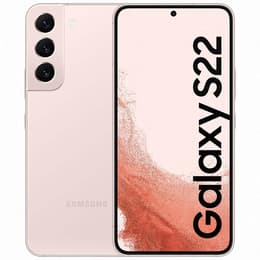
Galaxy S22 5G
Starting at

Refurbished price:£145.00

Versus £899.00 new

See options

Ratings

The Samsung Galaxy A33 5G and the Galaxy S22 5G, both released in early 2022, represent two distinct paths within the Samsung smartphone ecosystem. While the Galaxy A33 5G is designed as a dependable all-rounder with a focus on longevity and a larger footprint, the Galaxy S22 5G serves as a compact flagship, prioritising high-end photography and raw processing power. Both devices launched with Android 12 and are eligible for Samsung's extended software support programme, ensuring a modern and secure user experience for several years.

Choosing between these two models involves balancing the need for a larger screen and longer battery life against the desire for a more pocketable design and advanced camera features. Despite their different market positions, both smartphones share the refined One UI interface, providing a consistent and user-friendly software environment that simplifies navigation and customisation for all types of users.

Scores

Durability

Both the Galaxy A33 5G and the Galaxy S22 5G benefit from Samsung's commitment to long-term software support, though their physical builds offer different types of resilience for daily use.

  • Software Longevity: Both devices were released in 2022 and fall under a policy that provides four generations of Android operating system updates and five years of security patches. This means both phones are expected to remain functional and secure until at least 2027, making them reliable choices for users who prefer not to upgrade their hardware frequently.
  • Build and Repairability: The Galaxy S22 5G features a frame made of reinforced aluminium and toughened glass on both the front and back, providing a sturdy feel. In contrast, the Galaxy A33 5G utilises a reinforced plastic housing which is often more resilient to cracks if dropped, though it may show surface wear more easily. Both models carry high water and dust resistance ratings, protecting them against accidental submersions and environmental exposure.

Year of Release

2022

2022

Compatible with latest Update

Yes

Yes

OS

Android

Android

Foldable

No

No

Performance

The performance gap between these two devices is most noticeable during demanding tasks, while their battery behaviours cater to very different usage patterns.

  • System Responsiveness: The Galaxy S22 5G is equipped with a high-performance processor that handles intensive multitasking, high-end mobile gaming, and complex video editing with ease. The Galaxy A33 5G uses a more efficient processor designed for smooth everyday performance, such as web browsing, social media, and streaming, though it may show slight pauses when switching between many heavy applications simultaneously.
  • Battery Endurance and Storage: A significant differentiator is the battery capacity; the Galaxy A33 5G houses a large 5,000mAh battery that comfortably lasts through a full day of heavy use or two days of light use. The Galaxy S22 5G has a smaller 3,700mAh battery, which may require a mid-day charge for power users. Additionally, the Galaxy A33 5G includes a microSD slot for expandable storage, a feature absent from the Galaxy S22 5G.

Memory (GB)

6 GB

8 GB

Screen quality

While both phones utilise vibrant AMOLED technology, the Galaxy S22 5G offers a more fluid and brighter viewing experience compared to the larger display of the Galaxy A33 5G.

  • Display Fluidity and Brightness: The Galaxy S22 5G features a 120Hz refresh rate, which makes animations and scrolling appear exceptionally smooth. It also reaches much higher peak brightness levels, ensuring the screen remains easily readable even under direct midday sunlight. The Galaxy A33 5G offers a 90Hz refresh rate, which is still a significant improvement over standard screens, providing a fluid experience for most users.
  • Size and Clarity: Users who prefer more screen real estate for watching videos or reading will appreciate the 6.4-inch display on the Galaxy A33 5G. The Galaxy S22 5G is smaller at 6.1 inches, which contributes to its compact nature but offers higher pixel density, resulting in slightly sharper text and finer details when viewing high-resolution images or documents.

Resolution

1080 x 2400

1080 x 2340

Screen type

Super AMOLED

Dynamic AMOLED 2X

Audiovisual

The camera systems on these devices are tailored for different levels of photographic interest, with the Galaxy S22 5G offering more versatile hardware for varied environments.

  • Zoom and Versatility: The Galaxy S22 5G includes a dedicated telephoto lens with 3x optical zoom, allowing users to capture clear photos of distant subjects without losing detail. The Galaxy A33 5G lacks a dedicated zoom lens, relying instead on digital cropping, but it does include a macro lens for close-up photography of small objects, which the flagship model does not have.
  • Low-Light and Video Performance: For evening photography, the Galaxy S22 5G features a larger main sensor that captures more light, resulting in clearer and more detailed images in dark settings. It also supports more advanced video stabilisation and higher resolution recording options. The Galaxy A33 5G performs admirably in daylight and well-lit indoor settings, producing vibrant and sharp images suitable for social sharing and personal memories.

Main camera

48 megapixels

50 megapixels

Front camera

13 megapixels

10 megapixels

Miscellaneous

Practical considerations such as physical dimensions and biometric security methods further distinguish how these two smartphones feel in daily operation.

  • Portability and Handling: The Galaxy S22 5G is notably lighter and narrower, making it one of the few modern smartphones that is easy to operate with one hand and fits comfortably in smaller pockets. The Galaxy A33 5G is larger and heavier, which may feel more substantial in the hand but generally requires two-handed use for reaching the top of the screen.
  • Connectivity and Sensors: Both devices support 5G connectivity for fast mobile data and use USB-C for charging and data transfer. However, the Galaxy S22 5G features an ultrasonic fingerprint sensor under the display, which is generally faster and works better with damp fingers than the optical sensor found in the Galaxy A33 5G. Neither device includes a traditional headphone jack, necessitating the use of wireless headphones or an adapter.

Weight

186 g

167 g

Screen size (in)

6.4

6.1

Mobile network

5G

5G

SIM card

Dual Physical SIM

Dual Physical SIM + eSIM

Carrier compatibility

Unlocked

Unlocked

Connector

USB-C

USB-C

In summary, the choice between the Galaxy A33 5G and the Galaxy S22 5G depends largely on a user's daily priorities. Community feedback on platforms like Reddit often highlights the Galaxy S22 5G for its exceptional build quality and camera versatility, though many users note that its battery life requires careful management. Conversely, the Galaxy A33 5G is frequently praised for its impressive battery endurance and the inclusion of expandable storage, which provides a practical solution for users with large media libraries. Some users have mentioned that the Galaxy A33 5G feels slightly slower during heavy gaming, but find it perfectly adequate for standard communication and browsing.

Users who prioritise a compact design, high-end photography, and the smoothest possible screen performance will find the Galaxy S22 5G aligns well with their needs. On the other hand, those who value a larger display for media consumption and a battery that can easily last through a long day may prefer the Galaxy A33 5G. Choosing a quality-assured refurbished option for either of these models is a sustainable choice that helps reduce electronic waste while providing a reliable device. Ultimately, both smartphones offer a robust Samsung experience, and the decision rests on whether you prefer flagship-tier features or practical, long-lasting utility.


See all articles

Our recent comparisons