

Compare models

Galaxy A17 Vs Google Pixel 9 Pro

  • 1-year minimum warranty
  • Free delivery on all items
  • Free 30-day returns
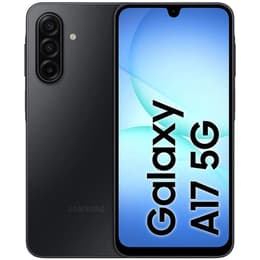
Galaxy A17
Starting at

Refurbished price:£133.00

Versus £243.85 new

See options
Google Pixel 9 Pro
Starting at

Refurbished price:£374.00

Versus £1,093.99 new

See options

Differences at a glance

The Samsung Galaxy A17 (2025) and the Google Pixel 9 Pro (2024) cater to very different segments of the smartphone market, blending distinct software ecosystems with contrasting design philosophies. While both devices run on the Android operating system, they approach daily computing, camera utility, and hardware craftsmanship from unique angles. Understanding these core divergences helps prospective users determine which phone matches their specific practical requirements.

Available Models

Colour

Storage

Scores

Durability

When examining longevity, both devices offer robust software support lifespans, though they stem from different product tiers and build materials.

  • Software support timelines: Samsung provides extended major operating system upgrade windows for the Galaxy series, while Google matches this longevity with multi-year commitments for its flagship line, ensuring both models remain secure for years.
  • Build materials and physical resilience: The Google Pixel 9 Pro utilizes high-grade aluminum and textured glass protected by durable front glass, whereas the Galaxy A17 employs a reinforced plastic back combined with sturdy front glass protection.
  • Repairability and everyday wear: Both manufacturers design their hardware for structural durability, though professional repair options and parts availability vary depending on regional service networks.

Year of Release

2025

2024

OS

Android

Android

Foldable

No

No

Performance

Processing capabilities and day-to-day responsiveness differ noticeably, shaped by the hardware architecture housed within each phone.

  • Multitasking and system fluidity: The Google Pixel 9 Pro handles intensive multitasking, demanding mobile games, and advanced background processes smoothly with its ample memory configuration, whereas the Galaxy A17 manages daily communication, web browsing, and casual apps reliably with its mid-range processor setup.
  • Storage configurations: Users can select from various internal storage capacities on the Google flagship, while the Samsung option offers practical baseline storage tiers suited for everyday media libraries.
  • Battery endurance: Both handsets deliver dependable power management, easily lasting through standard daily use cycles involving messaging, streaming, and navigation.

Screen quality

Display characteristics define the visual experience, offering distinct advantages in brightness, panel technology, and refresh mechanics.

  • Panel technology and clarity: The Google Pixel 9 Pro features a vibrant OLED display with high pixel density and deep contrast levels, while the Galaxy A17 incorporates a bright Super AMOLED screen that delivers sharp text and vivid colors for media consumption.
  • Outdoor visibility: Both screens reach high peak brightness levels, ensuring readability under direct sunlight during outdoor travel or commutes.
  • Motion smoothness: High refresh rates on both devices enable fluid scrolling through web pages, social media feeds, and user interface menus.

Resolution

1080x2340

1280 x 2856

Audiovisual

Imaging hardware and media output vary significantly, catering to casual snapshot takers and dedicated mobile photographers alike.

  • Lens versatility: The Google Pixel 9 Pro equips a versatile triple-lens array including a dedicated telephoto zoom lens, while the Galaxy A17 relies on a functional primary camera accompanied by an ultra-wide sensor and a macro lens.
  • Processing and low-light performance: Advanced computational photography algorithms on the Pixel line excel in challenging lighting conditions, whereas the Samsung model captures clear, balanced everyday photographs.
  • Video and audio recording: Both smartphones record stable video clips with clear internal microphone capture, supporting video calls and spontaneous content creation.

Front camera

13MP

42 megapixels

Miscellaneous

Practical daily utility features shape how each device fits into regular routines, travel bags, and pockets.

  • Connectivity standards: Both models support modern 5G cellular networks, Wi-Fi standards, and Bluetooth pairing for wireless accessories.
  • Security and authentication: Biometric unlocking is handled via responsive fingerprint sensors integrated directly with the hardware.
  • Physical dimensions and handling: The Galaxy A17 features a slightly larger screen footprint, whereas the Pixel 9 Pro offers a more compact form factor that sits comfortably in smaller hands.

Weight

192 g

280 g

Screen size (in)

6.7

6.8

Mobile network

5G

5G

SIM card

Dual Physical SIM

Physical SIM + eSIM

Carrier compatibility

Unlocked

Unlocked

Connector

USB-C

USB-C

What the community thinks

User feedback from online communities highlights distinct praise points for both smartphones. Owners of the Google Pixel 9 Pro frequently commend its sophisticated camera system, compact premium feel, and responsive interface performance during demanding tasks. Conversely, users appreciate the Galaxy A17 for its reliable battery longevity, dependable everyday usability, and large display area suited for media streaming.

When deciding between the two, users prioritizing advanced photographic versatility and robust processing power will find the Google Pixel 9 Pro well-suited to their needs. On the other hand, users focusing on straightforward everyday communication, media consumption, and dependable battery longevity may lean toward the Samsung Galaxy A17. For those seeking a quality-assured refurbished option, choosing a sustainably restored device provides an eco-friendly alternative that aligns with mindful technology consumption.