
Compare models
Galaxy A15 Vs iPhone 17 Pro Max
- 1-year minimum warranty
- Free delivery on all items
- Free 30-day returns
Differences at a glance
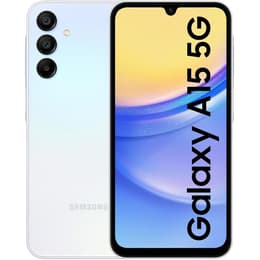
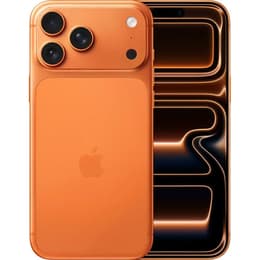
The Samsung Galaxy A15 (2023) and the Apple iPhone 17 Pro Max (2025) represent entirely different tiers of the smartphone market, catering to vastly different user expectations. While the Galaxy A15 focuses on delivering essential smartphone capabilities at an accessible level, the iPhone 17 Pro Max serves as a top-tier flagship featuring the latest mobile advancements. These devices operate on different software ecosystems, with Android powering the Samsung device and iOS running on the Apple model, shaping distinct daily user experiences.
Available Models
Colour
Storage
Scores
Durability
When evaluating the longevity and structural support of these two devices, distinct differences emerge regarding software timelines and overall build quality expectations.
- Software support timelines: The iPhone 17 Pro Max benefits from an extended software update lifecycle typically provided to flagship Apple models, ensuring security updates for many years. The Galaxy A15 receives multi-year software updates, though its window is shorter given its initial release timeline and market tier.
- Repairability and durability: Both devices utilize robust outer shells, with the iPhone incorporating high-grade titanium materials and ceramic front shielding, while the Galaxy A15 uses durable plastic construction. Repair availability is widespread for both through official and independent channels, supporting extended practical lifespans.
Year of Release
2023
2025
Compatible with latest Update
Yes
Yes
OS
Android
iOS
Foldable
No
No
Performance
Daily responsiveness, multitasking capabilities, and energy efficiency vary significantly between these two models based on their internal hardware configurations.
- Multitasking and processing power: The iPhone 17 Pro Max handles demanding applications, high-end mobile gaming, and intensive background tasks smoothly with high system responsiveness. The Galaxy A15 manages everyday tasks like web browsing, social media, and video streaming reliably, though heavy multitasking may show occasional processing limits.
- Battery behavior and storage: Battery longevity under heavy use favors the larger capacity and power-efficient processing architecture of the iPhone 17 Pro Max, whereas the Galaxy A15 provides a solid battery span for moderate daily routines. Storage configurations are more expansive on the Apple device, while the Samsung model offers expandable storage via a memory card slot.
Screen quality
Visual output and display responsiveness differ notably, affecting outdoor usability, media consumption, and general navigation smoothness.
- Display technology: Both devices feature vibrant panels with deep contrast levels, but the iPhone 17 Pro Max utilizes advanced display technology with higher peak brightness levels for clear outdoor visibility. The Galaxy A15 features a clear visual panel that handles everyday viewing tasks adequately under normal lighting conditions.
- Refresh rate and fluidity: Motion smoothness during scrolling and gaming is enhanced on the iPhone 17 Pro Max through a high refresh rate implementation. The Galaxy A15 relies on a standard refresh rate, which provides reliable visual feedback for standard daily navigation.
Resolution
1080 x 2340
2868x1320
Screen type
Super AMOLED
Super Retina XDR
Audiovisual
Multimedia capture capabilities and audio output systems reflect the distinct market positioning of each device.
- Camera versatility: The iPhone 17 Pro Max includes a multi-lens array with advanced low-light photography performance and detailed high-resolution video recording features. The Galaxy A15 offers a functional multi-lens setup suited for casual snapshots, standard video calling, and everyday documentation.
- Audio and media output: Stereo speaker output on the iPhone 17 Pro Max delivers rich sound for media consumption without external speakers. The Galaxy A15 provides standard mono or basic stereo sound adequate for voice calls and casual listening.
Main camera
50 megapixels
48 megapixels
Front camera
13 megapixels
18 megapixels
Miscellaneous
Connectivity standards, physical handling characteristics, and security features round out the practical differences between these contrasting smartphones.
- Connectivity and ports: The iPhone 17 Pro Max adopts modern universal USB-C connectivity alongside advanced wireless standards. The Galaxy A15 includes traditional connectivity options alongside a legacy headphone jack, which remains useful for wired audio accessories.
- Handling and security: Biometric security utilizes facial recognition on the Apple device and side-mounted fingerprint sensing on the Samsung model. Physical dimensions vary, with the iPhone offering a heavier, robust build compared to the lighter handling profile of the Galaxy A15.
Weight
200 g
233 g
Screen size (in)
6.5
6.9
Mobile network
4G
5G
SIM card
Dual Physical SIM
Physical SIM + eSIM
Carrier compatibility
Unlocked
Unlocked
What the community thinks
User feedback from online forums highlights distinct patterns of praise and common considerations for both devices. Owners of the Galaxy A15 frequently appreciate its dependable battery performance, straightforward interface, and the inclusion of expandable storage. Conversely, users of the iPhone 17 Pro Max commonly praise its exceptional processing speed, premium camera versatility, and long-lasting display brightness. Some discussions note that the Galaxy A15 can occasionally exhibit slower loading times during intensive tasks, while the iPhone 17 Pro Max carries a heavier physical footprint and a more complex feature set.
Users prioritizing long-term processing headroom, advanced photography, and premium media consumption will find the iPhone 17 Pro Max well-suited to their needs. Meanwhile, users seeking a straightforward, reliable device for essential daily communication and media playback may prefer the Galaxy A15. Selecting a quality-assured refurbished option through platforms like Back Market provides an eco-friendly way to acquire either model while supporting sustainable consumption choices. Ultimately, the right choice depends on balancing individual performance expectations with everyday usage requirements.