

Compare models
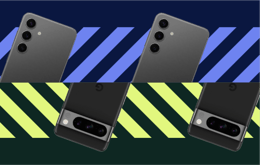
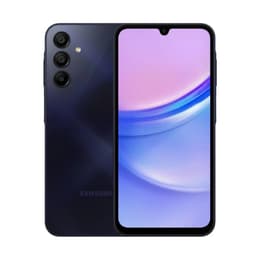
Galaxy A15 5G Vs Google Pixel 10 Pro XL
- 1-year minimum warranty
- Free delivery on all items
- Free 30-day returns
Differences at a glance
The Samsung Galaxy A15 5G (2023) and the Google Pixel 10 Pro XL (2025) represent entirely different tiers of the smartphone market, catering to distinct user expectations and functional goals. While the Galaxy A15 5G focuses on providing core connectivity and essential daily features in an accessible package, the Pixel 10 Pro XL operates as a high-end flagship loaded with advanced imaging systems and robust processing power. Both devices run on the Android operating system, though they apply different software interfaces and update timelines. Understanding how their internal capabilities, display technologies, and practical designs diverge helps clarify which device fits specific daily requirements.
Available Models
Colour
Storage
Scores
Durability
Evaluating the lifespan and durability of these two smartphones reveals differences in build quality, software support commitments, and long-term hardware endurance.
- Software support and updates: The Pixel 10 Pro XL benefits from an extended multi-year commitment for operating system and security updates, keeping the software current for a longer duration. The Galaxy A15 5G offers a more modest update window suited to its release tier.
- Build quality and materials: The Pixel 10 Pro XL utilizes high-grade glass and robust metal framing with advanced water and dust resistance ratings. The Galaxy A15 5G relies primarily on durable plastic construction with basic moisture protection.
- Expected practical lifespan: Hardware longevity favors the flagship model due to greater processing headroom and larger memory capacity, ensuring it handles future software demands smoothly over years of regular use.
Year of Release
2023
2025
Compatible with latest Update
Yes
Yes
OS
Android
Android
Foldable
No
No
Performance
System performance and responsiveness vary significantly, influencing how each device handles everyday apps, heavy multitasking, and gaming sessions.
- Multitasking and memory: The Pixel 10 Pro XL features extensive random access memory configurations that allow numerous demanding applications to remain open simultaneously without reloading. The Galaxy A15 5G manages standard everyday tasks efficiently but requires more frequent app re-opening during heavy multitasking.
- App loading and gaming: The advanced processor inside the Pixel 10 Pro XL executes graphic-heavy games and complex software smoothly with minimal thermal throttling. The Galaxy A15 5G handles casual games and standard web browsing reliably, though intense software titles run with reduced graphic settings.
- Battery behavior: Both devices house large-capacity batteries capable of sustaining a full day of typical use, though fast-charging speeds and power efficiency profiles differ significantly during intensive tasks.
Screen quality
Display characteristics shape media consumption, outdoor visibility, and everyday visual comfort across both models.
- Display technology: The Galaxy A15 5G incorporates a vibrant Super AMOLED panel offering deep contrast and rich colors. The Pixel 10 Pro XL employs an advanced high-resolution OLED screen with an adaptive refresh rate reaching higher maximum smoothness levels.
- Outdoor brightness: The Pixel 10 Pro XL delivers exceptional peak luminance levels for clear legibility under direct sunlight. The Galaxy A15 5G remains visible outdoors, though it requires shade in intensely bright environments.
- Viewing experience: The Pixel 10 Pro XL provides a larger screen canvas with narrower bezels, whereas the Galaxy A15 5G features a compact form factor with a standard notch cutout.
Resolution
1080 x 2340
1344x2992
Audiovisual
Imaging hardware and multimedia output dictate the photographic flexibility and audio-visual enjoyment provided by each smartphone.
- Camera versatility: The Pixel 10 Pro XL equips a sophisticated triple-lens array including high-resolution ultra-wide and dedicated telephoto zoom capabilities for distant subjects. The Galaxy A15 5G features a simpler main sensor accompanied by a basic ultra-wide lens and a macro option.
- Low-light photography: Advanced computational photography on the Pixel 10 Pro XL captures sharp, well-exposed images in dark environments. The Galaxy A15 5G produces acceptable snapshots in standard lighting but struggles to retain fine detail in dim settings.
- Media and audio output: The Pixel 10 Pro XL offers stereo speakers with rich sound separation for video streaming, while the Galaxy A15 5G relies on a single loudspeaker alongside the convenience of a physical headphone jack.
Front camera
13 megapixels
42 megapixels
Miscellaneous
Practical daily features, physical dimensions, and connectivity options define how comfortably each phone integrates into everyday routines.
- Connectivity standards: Both models support modern cellular networks, while the flagship Pixel incorporates faster Wi-Fi protocols and advanced satellite positioning technology.
- Physical handling: The Galaxy A15 5G is lighter and more compact, making it straightforward to manage with one hand. The Pixel 10 Pro XL is heavier and wider, accommodating its expansive screen size.
- Biometric security: The Pixel 10 Pro XL utilizes an responsive in-display fingerprint sensor alongside facial recognition, whereas the Galaxy A15 5G places its fingerprint reader conveniently on the side power button.
Weight
200 g
232 g
Screen size (in)
6.5
6.8
Mobile network
5G
5G
SIM card
Dual Physical SIM
Physical SIM + eSIM
Carrier compatibility
Unlocked
Unlocked
What the community thinks
Choosing between the Samsung Galaxy A15 5G and the Google Pixel 10 Pro XL depends heavily on individual priorities and daily usage habits. Users prioritizing straightforward communication, basic web browsing, and reliable everyday functionality will find the Galaxy A15 5G a sensible choice for standard tasks. Conversely, users prioritizing advanced photography, high-end gaming performance, and premium display brightness will lean toward the Pixel 10 Pro XL. Selecting a quality-assured refurbished option through platforms like Back Market provides an eco-friendly alternative that extends device life cycles and supports sustainable purchasing habits without compromising on performance expectations. Reviewing these practical differences ensures that whichever device you select aligns smoothly with your daily routine and long-term tech goals.