Compare models

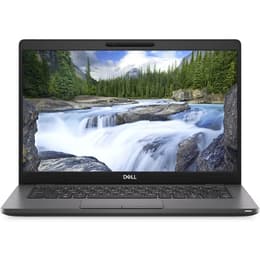
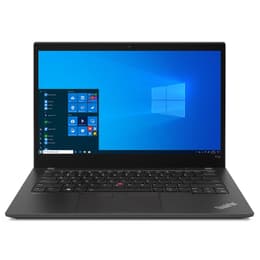
Dell Latitude 5300 13" Vs Lenovo ThinkPad T14 G2 14"

  • 1-year minimum warranty
  • Free delivery on all items
  • Free 30-day returns
Dell Latitude 5300 13"
Starting at

Refurbished price:£242.00

Versus £789.00 new

See options
Lenovo ThinkPad T14 G2 14"
Starting at

Refurbished price:£311.00

Versus £1,277.92 new

See options

Differences at a glance

The Dell Latitude 5300 (2019) and the Lenovo ThinkPad T14 Gen 2 (2021) are established business-class laptops designed for everyday productivity and professional tasks. While both run on the Windows operating system and prioritize long-term durability, they differ notably in screen estate, physical footprint, and internal generation. Choosing between them comes down to balancing screen dimensions against generational hardware milestones.

Available Models

Storage (GB)

Processor

Memory (GB)

Scores

Durability

Both models belong to enterprise lineups built for sustained professional use, offering robust construction and predictable software support lifecycles.

    Release Timeline: The Dell Latitude 5300 launched in 2019, while the Lenovo ThinkPad T14 Gen 2 arrived two years later in 2021, giving the Lenovo model a slight edge in generational hardware age.
    Software Longevity: Both laptops receive regular operating system updates and security patches through standard support channels, though the newer release date of the Lenovo device extends its potential window for future firmware updates.
    Repairability: Both laptops feature modular internal components that allow straightforward replacement of storage drives and batteries, supporting a long working lifespan when maintained or selected as a quality-assured refurbished option.

Year of Release

2018

2020

Last Os Compatibility

Yes

Yes

OS

Windows 11

Windows 11

Performance

Equipped with varying generations of solid-state storage and multi-core processing architecture, these laptops handle professional workloads and multitasking with distinct performance thresholds.

    Everyday Responsiveness: The Lenovo model utilizes newer internal processing architecture that handles demanding applications, frequent multitasking, and heavy browser tabs with greater speed and thermal efficiency compared to the older processor generation found in the Dell.
    Memory and Storage: Both devices offer configurable solid-state storage and random access memory configurations, though the Lenovo system supports higher maximum memory capacities for intensive data workloads.
    Battery Behavior: Battery endurance varies based on usage intensity, with the Lenovo model benefiting from more power-efficient internal components, while both units support fast-charging capabilities to minimize downtime during busy workdays.

Graphic card

Integrated Graphics

Integrated Graphics

Screen quality

Display configurations on both machines focus on anti-glare coatings and practical resolutions designed for extended document editing and web navigation.

    Display Technology: Both laptops feature high-definition liquid crystal displays with wide viewing angles, minimizing eye strain during prolonged reading or office sessions.
    Size and Workspace: The Dell Latitude offers a compact 13-inch form factor focused on maximum portability, whereas the Lenovo ThinkPad provides a slightly larger 14-inch screen, offering more physical workspace for side-by-side window multitasking.
    Brightness and Clarity: Outdoor and brightly lit office visibility remains reliable on both units, with peak brightness levels suiting typical indoor working environments and mobile workstations.

Resolution

1920 x 1080

1920 x 1080

Screen type

IPS

IPS

Camera

Audiovisual

Media consumption and remote communication hardware are tailored for day-to-day video conferencing and office connectivity.

    Webcam Performance: Both devices include standard high-definition web-facing cameras equipped with basic digital noise reduction for daily virtual meetings and remote collaboration.
    Audio Output: Built-in stereo speakers deliver clear vocal reproduction for speech and virtual calls, though external headphones or speakers are recommended for immersive media enjoyment.
    Microphone Clarity: Integrated array microphones isolate background chatter effectively during voice calls, ensuring reliable communication in open office spaces or home setups.

Miscellaneous

Physical design elements and connection port availability dictate how easily each laptop integrates into existing desk setups and travel bags.

    Port Selection: Both laptops provide a robust array of traditional USB ports, modern type-C connections, and video output ports, reducing the need for external dongles during presentations.
    Dimensions and Weight: The Dell Latitude is lighter and more compact due to its smaller screen size, making it well-suited for frequent travelers, while the Lenovo ThinkPad offers a slightly broader chassis that accommodates a larger keyboard layout.
    Security Features: Enterprise-grade security options, including integrated fingerprint readers and trusted platform modules, are available on both models to safeguard sensitive professional data.

Weight

1370 g

7500 g

Screen size

13

14

What the community thinks

User feedback highlights distinct preferences for each machine across professional and student communities. Owners of the Dell Latitude 5300 frequently praise its lightweight chassis and reliable handling of daily administrative tasks. Conversely, users favor the Lenovo ThinkPad T14 Gen 2 for its comfortable keyboard layout, expanded screen workspace, and responsive multitasking capabilities. Users prioritizing maximum portability and a smaller physical footprint may prefer the Dell Latitude 5300, while users seeking a larger display and faster application loading speeds often lean toward the Lenovo ThinkPad T14 Gen 2. Choosing between these sustainable, quality-assured refurbished options ultimately depends on whether daily routines center on lightweight travel or expanded multi-window productivity.

Our recent comparisons