
Compare models
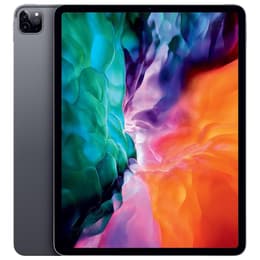
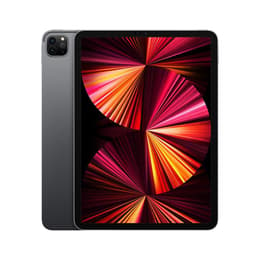
iPad Pro (2020, A12 series) Vs iPad Pro (2021, M1 series)
- 1-year minimum warranty
- Free delivery on all items
- Free 30-day returns
Differences at a glance
The iPad Pro (2020) and the iPad Pro (2021) are high-performance tablet computers from Apple designed for creative workflows, professional tasks, and media consumption. While both models share a similar outer chassis and high-refresh-rate display technology, the 2021 version introduces desktop-class internal processing and advanced wired connectivity options that differentiate it from its predecessor. Both devices operate on Apple's iPadOS ecosystem, receiving regular system updates and security patches to ensure long-term functionality.
Available Models
Colour
Storage (GB)
Scores
Durability
- Release timeline and age: Released one year apart, the 2020 model launches from an earlier baseline, while the 2021 variant benefits from a more recent manufacturing window that extends its potential support horizon.
- Software longevity expectations: Both devices receive regular operating system upgrades, though the newer internal hardware of the 2021 model positions it to handle resource-heavy feature rollouts further into the future.
- Repairability and build durability: Both tablets feature aluminum enclosures and solid structural designs with standard repair service options available through official and third-party channels, offering comparable expected practical lifespans when handled with care.
Year of Release
2020
2021
Compatible with latest Update
Yes
Yes
OS
iPadOS
iPadOS
Maximum Operating System supported
iPadOS 18
iPadOS 18
Performance
- Storage and multitasking capacity: The 2020 model typically pairs with moderate random-access memory configurations, whereas higher-tier storage configurations of the 2021 version double the available memory headroom for intensive multitasking.
- Everyday responsiveness and processing: The 2021 model utilizes a desktop-grade architecture that handles demanding applications, complex rendering, and heavy multitasking with noticeable fluidity compared to the capable yet older processing configuration of the 2020 device.
- Battery behavior: Both tablets maintain enough energy storage to sustain a standard workday of mixed web browsing, document editing, and media streaming under moderate screen brightness conditions.
Processor
Apple A12Z Bionic
Apple M1
Screen quality
- Display technology: The 11-inch versions of both generations utilize standard high-clarity liquid crystal panels with wide color support, while the larger 12.9-inch variant of the 2021 model introduces mini-LED backlighting for deeper contrast in HDR content.
- Smoothness and motion: Both devices incorporate high refresh rate technology that ensures fluid scrolling, responsive handwriting input with digital styluses, and smooth animation rendering during navigation.
- Outdoor usability: Peak brightness levels on both generations allow for clear visibility in brightly lit indoor environments, though direct sunlight may require shaded placement for comfortable viewing.
Resolution
2732 x 2048
2388 x 1668
True Tone
Yes
Yes
Pro-Motion
Yes
Yes
Screen type
Liquid Retina display
Pixel density
264ppp
264ppp
Brightness
600 nits brightness max
Sound quality
Speakers
Four speaker audio
Four speaker audio
Audiovisual
- Optics and capture systems: Both models feature multi-lens rear camera arrays paired with depth-sensing technology, but the 2021 version updates the front-facing camera with automated subject-tracking functionality to keep users centered during video calls.
- Media and audio output: Integrated four-speaker setups on both tablets dynamically adjust audio output based on device orientation, delivering clear sound for music playback, video calls, and film viewing.
- Video recording: Both generations support high-resolution video capture and stable recording features suitable for casual documentation and quick scanning tasks.
Miscellaneous
- Connectivity options: The 2021 model introduces support for high-speed cellular networks on compatible configurations alongside high-bandwidth wired data transfer protocols, expanding external accessory compatibility beyond what the 2020 version supports.
- Physical dimensions: Both generations share near-identical exterior footprints, allowing many case accessories and keyboards to cross-compensate between the two device years.
- Biometric security: Both tablets rely on facial recognition sensors embedded in the bezel to secure personal data and authorize secure logins seamlessly in any orientation.
Weight
641 g
466 g
Width
21.49 cm
17.85 cm
Height
28.06 cm
24.76 cm
Depth
0.59 cm
0.59 cm
Screen size (in)
12.9
11
Network
Wi-Fi
Wi-Fi
Carrier compatibility
Without SIM Port
Without SIM Port
Wi-Fi technology
Wi-Fi 6 802.11ax
Wi-Fi 6 802.11ax
Bluetooth Version
Bluetooth 5.0
Bluetooth 5.0
Face ID
Yes
Yes
Touch ID
No
No
Connector
USB Type-C
USB Type-C
What the community thinks
When deciding between these two generations, user priorities play a central role in shaping the right choice. Users who focus primarily on media streaming, web browsing, document reading, and standard creative sketching will find the iPad Pro (2020) well-suited to their daily routines. Conversely, users working with heavy data sets, complex video editing pipelines, or external monitor setups will benefit from the architectural headroom and expanded input-output capabilities of the iPad Pro (2021).
Community discussions frequently highlight the 2021 model's processor leap and front camera tracking as major advantages for remote work, while the 2020 model remains praised for delivering dependable performance at a more mature lifecycle stage. For those seeking a quality-assured refurbished option, exploring sustainable choices through Back Market offers a reliable way to acquire either device with verified functional testing. Ultimately, both tablets provide robust processing power and reliable longevity depending on individual workflow demands.