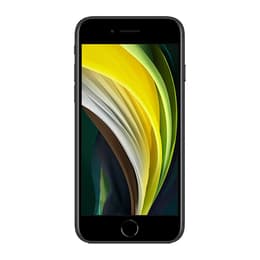

iPhone 15 Pro Vs iPhone SE (2020)

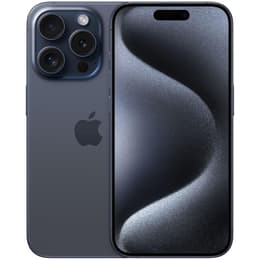
iPhone 15 Pro
iPhone 15 Pro
Starting at

Refurbished price:£399.00

Versus £999.00 new

See options
iPhone SE (2020)
iPhone SE (2020)
Starting at

Refurbished price:£67.00

Versus £289.00 new

See options

Ratings

The iPhone 15 Pro (2023) and the iPhone SE 2020 (2020) represent two distinct philosophies within the Apple smartphone ecosystem. While the iPhone 15 Pro is a modern flagship featuring an all-screen design and advanced materials, the iPhone SE 2020 maintains a classic form factor with a physical home button. Both devices operate on the iOS platform, ensuring a familiar user interface, yet they cater to very different needs regarding screen technology, camera versatility, and overall system capabilities.

Scores

Durability

The age gap between these two models significantly influences their expected software support and physical resilience in the coming years.

  • Software Longevity: The iPhone 15 Pro, launched in 2023, is expected to receive iOS updates until at least 2029 or 2030. In contrast, the iPhone SE 2020 is approaching the end of its official update cycle, with support likely concluding within the next year or two.
  • Build Materials: The 15 Pro utilises a titanium frame and Ceramic Shield glass for enhanced drop protection, whereas the SE 2020 features a traditional aluminium and glass construction that is more susceptible to impact damage.
  • Repairability: Both devices are serviceable, but the SE 2020 benefits from a simpler internal layout, while the 15 Pro requires more specialised tools for its complex internal components.

Year of Release

2023

2020

Compatible with latest Update

Yes

Yes

OS

iOS

iOS

Foldable

No

No

Performance

Performance differences are most apparent when handling demanding applications or managing multiple background tasks simultaneously.

  • System Responsiveness: The iPhone 15 Pro handles high-end gaming and intensive video editing with ease, showing no signs of lag. The iPhone SE 2020 remains responsive for everyday tasks like messaging and browsing, but it may struggle with the most current, resource-heavy applications.
  • Multitasking Capability: With significantly more memory, the 15 Pro allows users to switch between dozens of apps without them reloading. The SE 2020 has more limited memory, meaning background apps will refresh more frequently during heavy use.
  • Battery Endurance: Users will find that the 15 Pro easily lasts through a full day of heavy usage, while the SE 2020 often requires a mid-day charge for anyone beyond light users.

Memory (GB)

8 GB

3 GB

Screen quality

The viewing experience differs greatly due to the evolution of display technology and the physical size of the panels.

  • Display Technology: The 15 Pro features an OLED screen where pixels produce their own light, resulting in perfect blacks and vibrant contrast. The SE 2020 uses a backlit LCD, which offers natural colours but lacks the deep contrast and energy efficiency of its counterpart.
  • Smoothness and Motion: Motion on the 15 Pro appears fluid because the screen updates 120 times per second. The SE 2020 updates at a standard 60 times per second, which is functional but lacks the same level of visual smoothness.
  • Outdoor Visibility: The 15 Pro reaches much higher brightness levels, making it easy to read under direct sunlight, whereas the SE 2020 screen can be challenging to see in bright outdoor environments.

Resolution

1179 x 2556

750 x 1334

Screen type

LTPO Super Retina XDR OLED

Retina IPS LCD

Audiovisual

Photography enthusiasts will notice a substantial difference in versatility and image detail between these two generations.

  • Lens Versatility: The iPhone 15 Pro offers a triple-lens system including ultra-wide and telephoto options for zooming. The SE 2020 relies on a single wide-angle lens, limiting its ability to capture expansive landscapes or distant subjects clearly.
  • Low-Light Performance: Night photography is a core strength of the 15 Pro, which uses advanced sensors to pull detail from shadows. The SE 2020 lacks a dedicated night mode, resulting in grainier images in dark settings.
  • Video Capabilities: Professional-grade video features like log recording and high-resolution slow motion are exclusive to the 15 Pro, while the SE 2020 provides standard 4K recording suitable for casual social sharing.

Main camera

48 megapixels

12 megapixels

Front camera

12 megapixels

7 megapixels

Miscellaneous

Practical daily interactions are shaped by the different connectivity standards and biometric security methods found on each device.

  • Connectivity Standards: The iPhone 15 Pro supports 5G networks for faster mobile data speeds in compatible areas. The SE 2020 is limited to 4G, which remains reliable but cannot match the peak speeds of newer network technology.
  • Physical Ports: Transitioning to the universal USB-C standard, the 15 Pro offers broader compatibility with modern accessories. The SE 2020 uses the legacy Lightning port, which may require specific cables that are becoming less common.
  • Biometric Security: Security is handled via Face ID on the 15 Pro, allowing for hands-free unlocking. The SE 2020 uses Touch ID via the home button, which many users still prefer for its tactile feedback and reliability when wearing masks.

Weight

187 g

148 g

Screen size (in)

6.1

4.7

Mobile network

5G

4G

SIM card

Physical SIM + eSIM

Physical SIM + eSIM

Carrier compatibility

Unlocked

Unlocked

Connector

USB-C

Lightning

Public sentiment from user forums highlights a clear divide in priorities. Owners of the iPhone SE 2020 frequently praise its compact size and the familiarity of the home button, though battery life is a recurring point of criticism. Conversely, iPhone 15 Pro users often highlight the vibrant display and exceptional camera quality as standout features, while some note the increased weight and complexity as minor drawbacks. Consensus suggests that the SE 2020 remains a functional choice for those who value simplicity and a smaller footprint, whereas the 15 Pro is the preferred option for those requiring the latest technological advancements.

Users who prioritise professional-grade photography, long-term software support, and a large, fluid display will find the iPhone 15 Pro aligns with their needs. Those who prefer a lightweight, pocketable device for basic communication and value the tactile experience of a physical button may lean toward the iPhone SE 2020. Choosing a sustainable choice like a quality-assured refurbished option allows users to access these technologies while reducing environmental impact. Ultimately, the decision rests on whether one requires a high-performance tool or a straightforward, essential smartphone for daily life.
See all articles

Our recent comparisons