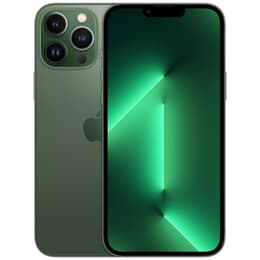

iPhone 13 Pro Max Vs Sony Xperia 5 IV

iPhone 13 Pro Max
iPhone 13 Pro Max
Starting at

Refurbished price:£272.00

Versus £1,259.00 new

See options
Sony Xperia 5 IV
Sony Xperia 5 IV
Starting at

Refurbished price:£298.00

Versus £1,199.00 new

See options

Ratings

The iPhone 13 Pro Max, launched in late 2021, and the Sony Xperia 5 IV, released in late 2022, represent two distinct philosophies in the high-end smartphone market. While the iPhone 13 Pro Max is a large-format device designed for maximum screen real estate and long-term software reliability, the Sony Xperia 5 IV is a compact powerhouse tailored for multimedia enthusiasts and those who prefer one-handed usability. These devices operate on different platforms, with the iPhone utilizing Apple's iOS and the Sony running on Android, offering varied experiences in terms of interface and customisation.

The primary differentiators between these two models lie in their physical dimensions and their approach to hardware features. The iPhone prioritises a massive display and deep ecosystem integration, whereas the Sony device focuses on a slim, cinematic form factor and the inclusion of legacy ports that are increasingly rare in modern smartphones. Understanding these core differences is essential for users deciding between a traditional large-screen experience and a more specialised, compact alternative.

Scores

Durability

When evaluating how long these devices will remain functional and relevant, the release timeline and software support policies play a significant role in the decision-making process.

  • Software Longevity: The iPhone 13 Pro Max benefits from a long history of extended software support, typically receiving operating system updates for six to seven years from its release date. In contrast, the Sony Xperia 5 IV generally follows a shorter update cycle, with the manufacturer typically providing two to three years of major system updates, which may impact its long-term relevance for users who prioritise the latest software features.
  • Build and Repairability: The iPhone features a stainless steel frame and ceramic-hardened glass, offering high structural integrity, while the Sony utilizes a sturdy aluminium frame and Gorilla Glass. Both devices have established repair networks, though the iPhone's widespread popularity often makes finding replacement parts and qualified technicians more straightforward in many regions.
  • Practical Lifespan: Given the robust internal hardware of both models, they are expected to handle daily tasks efficiently for several years. However, the iPhone's longer software commitment suggests it may remain secure and compatible with new applications for a more extended period compared to the Sony.

Year of Release

2021

2022

Compatible with latest Update

Yes

No

OS

iOS

Android

Foldable

No

No

Performance

Both smartphones are designed to handle demanding applications and multitasking with ease, though they manage power and storage in slightly different ways to suit their respective user bases.

  • System Responsiveness: The iPhone 13 Pro Max is known for its fluid animations and rapid app switching, maintaining a consistent level of speed even during heavy gaming or video editing. The Sony Xperia 5 IV offers similarly fast performance, ensuring that high-resolution media playback and intensive multitasking remain smooth and responsive throughout the day.
  • Storage and Memory: Users requiring vast amounts of internal space will find the iPhone offers higher fixed storage capacities, reaching up to 1TB. The Sony Xperia 5 IV takes a different approach by including a microSD card slot, allowing users to expand their storage manually, which is a significant advantage for those who store large libraries of photos and videos locally.
  • Battery Behaviour: The iPhone 13 Pro Max features a large battery that comfortably lasts through a full day of heavy use, often extending into a second day for moderate users. The Sony Xperia 5 IV, despite its smaller physical size, houses a high-capacity battery that performs admirably, though its more compact dimensions mean it may require more frequent charging during sustained high-performance tasks like 4K video recording.

Memory (GB)

6 GB

8 GB

Screen quality

The viewing experience is one of the most immediate differences between these two devices, as they cater to very different visual preferences and usage habits.

  • Display Technology and Size: The iPhone 13 Pro Max features a 6.7-inch OLED display that provides a large, immersive canvas for watching videos and browsing the web. The Sony Xperia 5 IV uses a 6.1-inch OLED panel with a unique 21:9 aspect ratio, making it taller and narrower, which is ideal for viewing cinematic content without black bars and for easier one-handed operation.
  • Smoothness and Clarity: Both screens offer high refresh rates of up to 120Hz, ensuring that scrolling through lists and playing supported games feels incredibly smooth. The iPhone's display is known for its high peak brightness, making it easy to read in direct sunlight, while the Sony's screen provides excellent colour accuracy and a notch-free design for an unobstructed view.
  • Practical Viewing: The iPhone's wider screen is better suited for productivity tasks and reading documents, whereas the Sony's slim profile and cinematic ratio make it a favourite for movie lovers and users who find traditional large smartphones too cumbersome to hold.

Resolution

1284 x 2778

1080 x 2520

Screen type

Super Retina XDR OLED

OLED

Audiovisual

While both devices offer sophisticated triple-camera systems, they target different types of photographers, from casual users to those who want manual control over their shots.

  • Photography Performance: The iPhone 13 Pro Max excels in everyday photography, producing consistent, well-balanced images with excellent dynamic range and low-light performance. The Sony Xperia 5 IV focuses on natural colour reproduction and speed, featuring fast autofocus that can track subjects accurately, making it well-suited for capturing moving objects or pets.
  • Video Capabilities: Video recording is a strength for both; the iPhone offers features like Cinematic mode for professional-looking depth-of-field effects, while the Sony provides dedicated apps that allow for granular control over manual settings, similar to professional cameras. The Sony also supports high-frame-rate recording across all its lenses, offering more creative flexibility for slow-motion footage.
  • Audio and Media: The Sony Xperia 5 IV stands out by retaining a 3.5mm headphone jack, a rare feature that appeals to users with high-quality wired headphones. It also features front-facing stereo speakers that direct sound toward the user, whereas the iPhone uses a combination of bottom-firing and earpiece speakers to create a wide, loud soundstage for media consumption.

Main camera

12 megapixels

12 megapixels

Front camera

12 megapixels

12 megapixels

Miscellaneous

Beyond the core specifications, several practical features and design choices influence how these phones feel and function in daily life.

  • Connectivity and Ports: The Sony Xperia 5 IV uses a standard USB-C port for charging and data transfer, which is compatible with most modern electronics, while the iPhone 13 Pro Max uses the proprietary Lightning port. Both devices support 5G connectivity and modern Wi-Fi standards, ensuring fast internet speeds in compatible areas.
  • Biometrics and Sensors: For security, the iPhone relies on Face ID, which uses facial recognition to unlock the device, even in the dark. The Sony Xperia 5 IV utilizes a fingerprint sensor integrated into the power button on the side of the frame, providing a quick and reliable way to unlock the phone while holding it naturally.
  • Dimensions and Handling: The iPhone is significantly heavier and wider, which may feel substantial and secure to some but tiring for others. The Sony is much lighter and narrower, fitting easily into smaller pockets and being much more comfortable for users with smaller hands or those who prefer a more discreet device.

Weight

238 g

172 g

Screen size (in)

6.7

6,1

Mobile network

5G

5G

SIM card

Physical SIM + eSIM

Physical SIM + eSIM

Carrier compatibility

Unlocked

Unlocked

Connector

Lightning

USB-C + Jack 3.5mm

In summary, the choice between the iPhone 13 Pro Max and the Sony Xperia 5 IV depends largely on a user's physical preferences and their technical priorities. Based on community discussions and user feedback, the iPhone 13 Pro Max is frequently praised for its exceptional battery life and the reliability of its software ecosystem, though some users find its large size and weight to be a drawback for daily portability. The Sony Xperia 5 IV receives high marks from enthusiasts for its compact form factor, the inclusion of a headphone jack, and its expandable storage, although some users note that it can become warm during intensive tasks and has a shorter window for software updates.

Users who prioritise a massive screen for media and productivity, along with the peace of mind that comes with many years of software support, will likely find the iPhone 13 Pro Max better suited to their needs. Conversely, users who value a compact, lightweight design that is easy to use with one hand, and those who require specialised features like expandable storage and a dedicated headphone jack, may lean toward the Sony Xperia 5 IV. For those looking to make a sustainable choice, opting for a quality-assured refurbished option is an excellent way to access these high-performance devices while reducing environmental impact. Ultimately, both smartphones offer a premium experience, and choosing a refurbished model ensures you receive a thoroughly tested, eco-friendly alternative to buying new.
See all articles

Our recent comparisons