
iPhone 12 Pro Vs iPhone 15 Plus

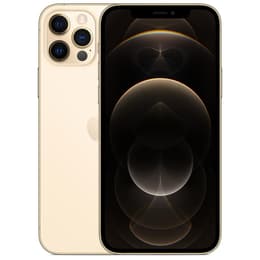
iPhone 12 Pro
iPhone 12 Pro
Starting at

Refurbished price:£205.00

Versus £879.00 new

See options
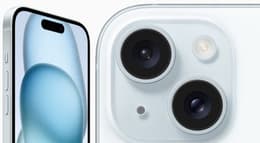
iPhone 15 Plus
iPhone 15 Plus
Starting at

Refurbished price:£344.00

Versus £799.00 new

See options

Ratings

The iPhone 12 Pro, released in 2020, and the iPhone 15 Plus, launched in 2023, represent two distinct eras of smartphone design. While the iPhone 12 Pro was originally introduced as a compact, high-end device with professional-grade photography tools, the iPhone 15 Plus focuses on providing a larger display area and significantly extended battery life for everyday users. Both devices operate on Apple’s iOS, ensuring a familiar user interface and seamless integration with modern apps, though the three-year age gap between them results in notable differences in hardware capabilities and long-term software support.

Scores

Durability

The iPhone 15 Plus offers a longer functional lifespan due to its more recent release date and updated internal architecture. While both devices are built to last, the newer model is better positioned for the coming years.

  • Software Longevity: Because the iPhone 15 Plus was released three years after the iPhone 12 Pro, it is expected to receive iOS updates and security patches for a significantly longer period, likely remaining current until the late 2020s.
  • Physical Resilience: Both models feature a Ceramic Shield front for drop protection, but the iPhone 15 Plus benefits from an updated internal design that makes the back glass easier and more straightforward to replace if damaged.
  • Maintenance: The iPhone 12 Pro is a mature device with widely available replacement parts, though its older battery technology may require more immediate attention compared to the newer, more efficient cells found in the iPhone 15 Plus.

Year of Release

2020

2023

Compatible with latest Update

Yes

Yes

OS

iOS

iOS

Foldable

No

No

Performance

While both devices handle daily tasks with ease, the iPhone 15 Plus provides a more fluid experience for demanding applications and multitasking. The difference in efficiency is particularly noticeable during long days of heavy usage.

  • Battery Endurance: The iPhone 15 Plus is designed for longevity, frequently lasting through two full days of moderate use, whereas the iPhone 12 Pro typically requires a daily charge, especially for users who frequently use GPS or video streaming.
  • System Responsiveness: The newer internals in the iPhone 15 Plus allow for faster app launches and smoother multitasking, particularly when switching between resource-heavy games or video editing software without lag.
  • Efficiency: The iPhone 15 Plus manages heat more effectively during intensive tasks, ensuring that performance remains consistent without the device becoming uncomfortably warm or slowing down to protect its components.

Memory (GB)

6 GB

6 GB

Screen quality

The most immediate difference between these two models is the physical size and brightness of their displays, which fundamentally changes how users interact with their content.

  • Viewing Area: The iPhone 15 Plus features a 6.7-inch display, providing a much larger canvas for watching videos or reading, while the iPhone 12 Pro maintains a more pocket-friendly 6.1-inch screen that is easier to use with one hand.
  • Outdoor Visibility: The iPhone 15 Plus can reach much higher brightness levels, making the screen significantly easier to read under direct sunlight compared to the iPhone 12 Pro, which may appear dim in bright environments.
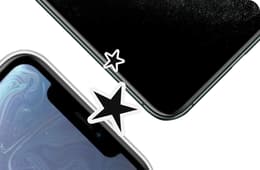
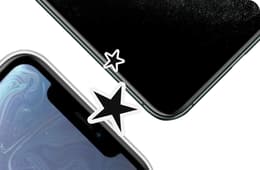
  • Interface Design: The iPhone 15 Plus replaces the traditional notch with a dynamic interface element that changes shape to show notifications and background activity, whereas the iPhone 12 Pro uses the classic static notch at the top of the screen.

Resolution

1170 x 2532

1290 x 2796

Screen type

Super Retina XDR OLED

Super Retina XDR OLED

Audiovisual

These devices offer different photographic strengths, with the older Pro model focusing on versatility and the newer Plus model focusing on raw resolution and modern processing.

  • Zoom Capabilities: The iPhone 12 Pro includes a dedicated telephoto lens for optical zooming, which is ideal for capturing distant subjects without losing detail, a feature the iPhone 15 Plus lacks in a physical sense.
  • Image Detail: The iPhone 15 Plus uses a high-resolution main sensor that captures significantly more detail in daylight, allowing users to crop into photos while maintaining clarity that rivals a dedicated zoom lens.
  • Low-Light Performance: While both take clear photos at night, the iPhone 15 Plus benefits from more advanced image processing, resulting in less grain and more natural skin tones in challenging lighting conditions.

Main camera

12 megapixels

48 megapixels

Front camera

12 megapixels

12 megapixels

Miscellaneous

Beyond the screens and cameras, the physical build and connectivity options mark a shift in design standards that affect daily convenience.

  • Charging and Data: The iPhone 15 Plus adopts the universal USB-C port, allowing users to use the same cable for their laptop and phone, while the iPhone 12 Pro uses the proprietary Lightning connector.
  • Weight and Handling: Despite its larger size, the iPhone 15 Plus uses lightweight aluminium, making it feel surprisingly balanced, whereas the iPhone 12 Pro uses heavy stainless steel which feels more substantial but adds noticeable weight.
  • Biometrics and Sensors: Both devices utilise secure facial recognition for unlocking, but the iPhone 12 Pro includes a specialised depth sensor that assists with faster focusing in the dark and improved augmented reality experiences.

Weight

187 g

201 g

Screen size (in)

6.1

6.7

Mobile network

5G

5G

SIM card

Physical SIM + eSIM

Physical SIM + eSIM

Carrier compatibility

Unlocked

Unlocked

Connector

Lightning

USB-C

User feedback from various tech communities often highlights the iPhone 15 Plus for its exceptional battery life and large, bright screen, which many find ideal for travel and media consumption. Conversely, the iPhone 12 Pro is frequently praised by users who prefer a more compact frame and the specific utility of a dedicated zoom lens for portrait photography. Some users note that the iPhone 12 Pro's battery requires more careful management as the device ages, while others mention that the iPhone 15 Plus can feel bulky in smaller hands or pockets.

Users who prioritise a large display for entertainment and want the peace of mind of a battery that lasts well beyond a single day will likely find the iPhone 15 Plus to be the better fit for their lifestyle. Those who prefer a smaller, more manageable device with a dedicated lens for zooming in on subjects may lean toward the iPhone 12 Pro. Choosing a quality-assured refurbished option is a sustainable choice that allows users to access these features while reducing electronic waste. Ultimately, the decision rests on whether you value the modern conveniences and longevity of the newer model or the specific professional features and compact build of the older generation.
See all articles

Our recent comparisons