
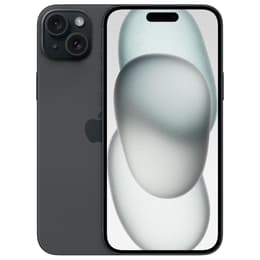

Google Pixel 9 Vs iPhone 15 Plus

Google Pixel 9
Google Pixel 9
Starting at

Refurbished price:£330.00

Versus £892.46 new

See options
iPhone 15 Plus
iPhone 15 Plus
Starting at

Refurbished price:£344.00

Versus £799.00 new

See options

Ratings

The Google Pixel 9, released in August 2024, and the iPhone 15 Plus, launched in September 2023, represent distinct approaches to the large-screen smartphone experience. While both devices offer robust performance and advanced camera systems, they differ significantly in their operating systems and display technologies. The Pixel 9 runs on Google's Android platform, emphasizing AI-driven features and a high refresh rate display, whereas the iPhone 15 Plus operates on Apple's iOS, known for its integrated ecosystem and a vibrant OLED screen with a standard refresh rate.

Scores

Durability

When considering the long-term usability of a smartphone, factors like software support, physical resilience, and ease of repair are important. Both the Google Pixel 9 and the iPhone 15 Plus are built with durability in mind, but their approaches to longevity and repairability present some differences.

  • Software Longevity: The Google Pixel 9 is designed for extended software support, with Google promising seven years of OS and security updates from its August 2024 release. The iPhone 15 Plus, released in September 2023, typically receives iOS updates for approximately five to six years from its launch date, offering a slightly shorter, though still substantial, support period.
  • Physical Durability: The Pixel 9 features Corning Gorilla Glass Victus 2 on both its front and back, alongside an IP68 rating for dust and water resistance. The iPhone 15 Plus incorporates a Ceramic Shield front cover, an aluminum frame, and a color-infused glass back, also boasting an IP68 rating for water and dust protection.
  • Repairability Aspects: The Pixel 9 has received varying repairability assessments, with some reports indicating a provisional score of 5 out of 10, noting challenges with certain component replacements like the 5G mmWave antenna and front-facing camera. Other assessments suggest a higher repairability score, citing easy removal of the back plate and accessible components, though battery removal can be challenging. While specific repairability scores for the iPhone 15 Plus are not widely published, iPhones are generally considered to have moderate repairability.

Year of Release

2024

2023

Compatible with latest Update

Yes

Yes

OS

Android

iOS

Foldable

No

No

Performance

The performance of a smartphone is crucial for daily tasks, from navigating applications to managing demanding workloads. Both the Google Pixel 9 and the iPhone 15 Plus deliver smooth and responsive experiences, though they achieve this through different hardware and software optimizations.

  • Processing Power: The Google Pixel 9 is powered by Google's Tensor G4 processor, which offers performance enhancements and improved power efficiency. Users generally find it smooth and quick for everyday use and multitasking, though some suggest it may not match the highest-end competitors for intensive gaming. The iPhone 15 Plus features the A16 Bionic chip, known for its robust performance, providing a fluid experience for demanding applications and graphic-intensive games.
  • Multitasking and Responsiveness: The Pixel 9 comes with 12GB of RAM, which supports efficient multitasking and the device's AI capabilities. The iPhone 15 Plus typically includes 6GB of RAM, which, combined with iOS optimization, ensures smooth app switching and overall system responsiveness.
  • Battery Behavior: The Pixel 9 is equipped with a 4700mAh battery, and user reports indicate it can comfortably last a full day or more with moderate usage, showing improved efficiency compared to previous generations. The iPhone 15 Plus, with its 4383mAh battery, is frequently praised for its excellent battery life, often extending beyond a full day even with heavy use.

Memory (GB)

12 GB

6 GB

Screen quality

The display is a primary interface for any smartphone, and both the Google Pixel 9 and the iPhone 15 Plus offer high-quality viewing experiences, each with distinct characteristics that cater to different user preferences.

  • Display Technology and Clarity: The Google Pixel 9 features a 6.3-inch OLED display with a resolution of 1080x2424 pixels, resulting in a pixel density of 422 ppi. It utilizes Samsung's M14 OLED panel, which is designed for enhanced visual experiences. The iPhone 15 Plus sports a larger 6.7-inch Super Retina XDR OLED display with a resolution of 2796x1290 pixels and a pixel density of 460 ppi, providing sharp and detailed visuals.
  • Brightness and Refresh Rate: The Pixel 9's display offers a 120Hz refresh rate, ensuring smooth scrolling and fluid animations, and can reach a peak brightness of 2700 nits for excellent visibility in bright conditions. The iPhone 15 Plus has a 60Hz refresh rate, which provides a consistent visual experience, and achieves a peak outdoor brightness of 2000 nits, making it highly visible outdoors.
  • Special Features: The Pixel 9 includes Adaptive Touch technology, which adjusts touch sensitivity for conditions like wet fingers or screen protectors. The iPhone 15 Plus incorporates the Dynamic Island, an interactive area around the front camera that displays alerts and live activities, enhancing user interaction.

Resolution

1080 x 2424

1290 x 2796

Screen type

OLED

Super Retina XDR OLED

Audiovisual

Both the Google Pixel 9 and the iPhone 15 Plus are equipped with advanced camera systems designed to capture high-quality photos and videos, leveraging both hardware and software to deliver impressive results.

  • Rear Camera Systems: The Google Pixel 9 features a dual-lens rear camera setup, including a 50MP main sensor with an f/1.68 aperture and optical/electronic image stabilization, alongside a 48MP ultrawide camera with an f/1.7 aperture and a 123-degree field of view, which also includes autofocus. The iPhone 15 Plus also has a dual-lens rear camera system, comprising a 48MP main sensor with an f/1.6 aperture and optical image stabilization, and a 12MP ultrawide camera with an f/2.4 aperture and a 120-degree field of view.
  • Photography Performance: The Pixel 9 is known for its computational photography capabilities, which enhance image quality, particularly in challenging lighting conditions. Users praise its ability to produce detailed and vibrant photos. The iPhone 15 Plus offers improved low-light performance and can achieve a 2x optical-quality zoom by cropping the main sensor, delivering sharp and colorful images.
  • Video and Audio Capabilities: Both devices offer excellent video recording quality. The iPhone 15 Plus is noted for its clean, crisp 4K video recording at up to 60 frames per second, with strong video stabilization. While specific microphone and speaker details for the Pixel 9 are less highlighted in general reviews, Pixel phones typically offer clear audio for calls and media. The iPhone 15 Plus provides a good media consumption experience with its display and speaker output.

Main camera

50 megapixels

48 megapixels

Front camera

10.5 megapixels

12 megapixels

Miscellaneous

Beyond core performance and display, several practical elements contribute to the overall user experience of a smartphone. The Google Pixel 9 and iPhone 15 Plus offer a range of features that enhance connectivity, security, and daily handling.

  • Connectivity and Ports: Both devices support modern connectivity standards, including 5G, the latest Wi-Fi standards, and Bluetooth. The Pixel 9 and iPhone 15 Plus both feature a USB-C port for charging and data transfer. However, the iPhone 15 Plus's USB-C port operates at USB 2.0 speeds, while the Pixel 9's port is expected to offer faster data transfer, though specific speeds are not always highlighted.
  • Biometrics and Security: The Google Pixel 9 incorporates an ultrasonic fingerprint sensor embedded in the display, which is noted for its speed and reliability. It also includes Google's Titan M2 security chip for enhanced data protection. The iPhone 15 Plus relies on Face ID for secure facial recognition, a system known for its accuracy and convenience.
  • Design and Handling: The Pixel 9 measures 152.8 x 72.0 x 8.5mm and weighs 198g, featuring a flat back and a distinct camera module design. The iPhone 15 Plus measures 160.9 x 77.8 x 7.8mm and weighs 201g, offering a slightly larger form factor. Both devices are constructed with premium materials, including metal frames and durable glass, contributing to a solid in-hand feel.

Weight

198 g

201 g

Screen size (in)

6.3

6.7

Mobile network

5G

5G

SIM card

Physical SIM + eSIM

Physical SIM + eSIM

Carrier compatibility

Unlocked

Unlocked

Connector

USB-C

USB-C

User sentiment for both the Google Pixel 9 and the iPhone 15 Plus highlights their respective strengths. The Pixel 9 is frequently praised by users for its excellent camera capabilities, particularly its AI-driven photography, and its smooth, responsive software experience. Many appreciate the extended software support and the improved battery life compared to previous Pixel models. Some users, however, note that while performance is strong for everyday use, it might not always match the raw power of some competitors for the most demanding tasks. The ultrasonic fingerprint sensor is generally well-received for its speed.

The iPhone 15 Plus garners significant acclaim for its exceptional battery life, often cited as a key reason for choosing the device. Users also consistently praise its large, vibrant display with the Dynamic Island integration, and its reliable camera system that produces high-quality photos and videos. Some common criticisms include the 60Hz refresh rate, which some users find less fluid compared to higher refresh rate displays on other devices, and the USB 2.0 data transfer speeds through its USB-C port.

Users prioritizing a long-lasting battery, a large and bright display, and a highly integrated ecosystem with consistent software updates may find the iPhone 15 Plus well-suited to their needs. Conversely, users who value cutting-edge computational photography, a high refresh rate display, extensive software support, and a more open operating system experience might lean toward the Google Pixel 9. Both devices offer a premium smartphone experience, and for those considering a quality-assured refurbished option, both models are available, providing a sustainable choice for consumers.


See all articles

Our recent comparisons