
Compare models
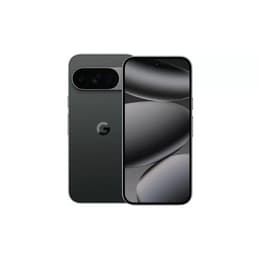
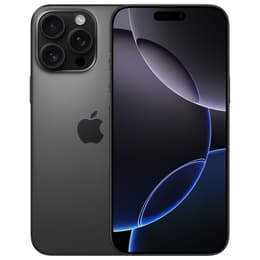
Google Pixel 10 Pro Vs iPhone 16 Pro Max
- 1-year minimum warranty
- Free delivery on all items
- Free 30-day returns
Differences at a glance
The Google Pixel 10 Pro (2025) and the Apple iPhone 16 Pro Max (2024) represent advanced tiers in contemporary mobile technology, blending refined hardware with intelligent software features. While the Pixel 10 Pro runs on Android 16 with a focus on integrated artificial intelligence, the iPhone 16 Pro Max utilizes iOS within a larger physical footprint. These two smartphones cater to users looking for top-tier device capabilities, differing primarily in their operating environments, screen sizes, and daily user interfaces.
Available Models
Colour
Storage (GB)
Scores
Durability
Both smartphones are built to remain functional and secure over several years of regular daily use, though their software update frameworks and hardware construction details differ slightly.
- Software Support Timelines: Google provides long-term operating system updates and security patches for seven years on the Pixel 10 Pro, whereas Apple typically supports devices like the iPhone 16 Pro Max for approximately five to six years through regular iOS releases.
- Repairability and Build Structure: Both manufacturers design their flagship models with sturdy glass panels and metallic frames, alongside official dust and water resistance ratings that protect against accidental spills and environmental exposure.
Year of Release
2025
2024
Compatible with latest Update
Yes
Yes
Foldable
No
No
Performance
Handling everything from basic daily messaging to demanding mobile games and background multitasking, these devices rely on current-generation internal architecture and generous memory allocations.
- Multitasking and Responsiveness: The Pixel 10 Pro features generous memory capacity that handles multiple background applications smoothly, while the iPhone 16 Pro Max utilizes efficient processing hardware to maintain rapid app switching and stable frame rates during intensive tasks.
- Battery Endurance: The iPhone 16 Pro Max benefits from a large physical battery capacity that comfortably lasts through a full day of heavy multimedia use, whereas the Pixel 10 Pro offers balanced power management supplemented by rapid charging support.
Screen quality
Visual output across both handsets utilizes advanced display panels designed for sharp text rendering, vivid color reproduction, and high outdoor visibility under direct sunlight.
- Display Technology: The Pixel 10 Pro features a compact, high-resolution OLED screen with smooth adaptive refresh rates, while the iPhone 16 Pro Max offers a substantially larger expansive display with narrow borders for immersive media viewing.
- Brightness and Clarity: Both models dynamically adjust their refresh rates down to conserve battery during static reading tasks and scale up smoothly during scrolling or fast-paced gaming.
Resolution
1280x2856
1320 x 2868
Screen type
OLED
LTPO Super Retina XDR OLED
Audiovisual
Photography and video capture suites on both devices offer versatile multi-lens configurations capable of producing clear, detailed results across varied lighting conditions.
- Lens Configurations: Both devices include high-resolution main, ultra-wide, and telephoto zoom lenses, allowing users to capture detailed close-ups and wide landscape compositions.
- Video and Audio Performance: The iPhone 16 Pro Max provides robust cinematic video recording tools and clear multi-microphone audio capture, while the Pixel 10 Pro emphasizes computational photography features for balanced lighting and automated post-processing.
Front camera
42 megapixels
12 megapixels
Miscellaneous
Practical everyday usage is shaped by physical dimensions, biometric security features, and connectivity standards tailored to modern mobile networks.
- Physical Handling: The Pixel 10 Pro offers a compact, easily manageable form factor for single-handed use, whereas the iPhone 16 Pro Max presents a notably larger and heavier chassis designed for maximum screen estate.
- Connectivity and Security: Both models support widespread 5G networks, fast Wi-Fi standards, secure facial recognition or in-display fingerprint sensors, and reversible USB connection ports.
Weight
207 g
227 g
Screen size (in)
6.3
6.9
Mobile network
5G
5G
SIM card
Physical SIM + eSIM
Physical SIM + eSIM
Carrier compatibility
Unlocked
Unlocked
Connector
USB-C
USB-C (USB 3)
What the community thinks
Choosing between these two devices largely depends on preferred operating system ecosystems and physical device dimensions. Users prioritizing a more compact form factor, extensive software longevity, and integrated artificial intelligence tools will find the Google Pixel 10 Pro well-suited to their daily routine. Conversely, users seeking an expansive display canvas and robust multimedia production capabilities may lean toward the iPhone 16 Pro Max. A quality-assured refurbished option from Back Market can serve as an eco-friendly, sustainable choice for acquiring either model without compromising on performance or reliability. Ultimately, aligning device choice with personal interface preferences ensures a satisfying long-term user experience.