
Compare models
Galaxy Z Fold7 Vs Google Pixel 10
- 1-year minimum warranty
- Free delivery on all items
- Free 30-day returns
Differences at a glance
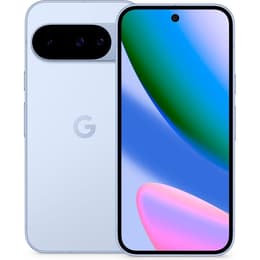
The Samsung Galaxy Z Fold7 (2025) and Google Pixel 10 (2025) represent two distinct approaches to modern mobile computing, contrasting a book-style foldable smartphone with a traditional slate form factor. Both devices run on the Android operating system and arrived on the market in mid-2025, offering high-end capabilities tailored to entirely different daily workflows. While the Galaxy Z Fold7 emphasizes an expansive dual-screen workspace that folds down into a pocketable device, the Google Pixel 10 focuses on a streamlined candy-bar shape integrated with advanced on-device intelligence features.
Available Models
Colour
Storage (GB)
Scores
Durability
When evaluating structural longevity and software support, both smartphones are designed to remain viable for years through extensive operating system updates and sturdy build construction.
- Software Support: Both models feature long-term software update commitments spanning up to seven years from their respective launch windows, ensuring up-to-date security patches and operating system revisions.
- Hardware Durability: The Google Pixel 10 relies on a traditional slate structure with reinforced glass panels and high resistance to dust and water ingress, whereas the Galaxy Z Fold7 utilizes a complex mechanical hinge and dual-screen layout that requires careful handling over extended periods of daily folding.
- Expected Lifespan: Traditional slate devices like the Google Pixel 10 generally experience lower long-term mechanical wear, while foldable alternatives like the Galaxy Z Fold7 offer cutting-edge versatility alongside unique physical maintenance considerations for internal flexible screens.
Year of Release
2025
2025
Performance
Underneath the surface, these devices handle demanding applications and everyday multitasking through distinct hardware configurations and thermal designs.
- App Loading and Multitasking: Both smartphones navigate heavy applications, web browsing, and split-screen workflows smoothly, with ample memory capacity ensuring apps remain active in the background without frequent reloading.
- Battery Behavior: The Google Pixel 10 provides solid battery endurance for a full day of standard mixed usage, while the Galaxy Z Fold7 distributes its power consumption across two separate displays, meaning intensive use of the larger inner screen results in more frequent charging requirements.
- Storage Configurations: The Galaxy Z Fold7 offers larger maximum storage tiers reaching up to one terabyte to accommodate extensive files, whereas the Google Pixel 10 provides standard high-speed storage capacities suitable for average media libraries and document storage.
Screen quality
Display technology forms a primary differentiator between these two models, heavily shaping how users interact with media, documents, and web pages.
- Display Technology: The Google Pixel 10 features a flat, vibrant OLED panel with crisp resolution and high peak outdoor brightness, while the Galaxy Z Fold7 deploys a smaller outer cover screen alongside a massive internal folding display that opens up into a tablet-sized workspace.
- Refresh Rate and Smoothness: Both devices support high refresh rates reaching up to 120 hertz, ensuring fluid scrolling through menus, smooth animations, and responsive touch feedback during daily navigation.
- Viewing Experience: Users consuming video content or editing documents on the move benefit from the expansive canvas of the Galaxy Z Fold7, while those prioritizing a lightweight, single-handed viewing experience will find the Google Pixel 10's balanced aspect ratio well-suited to standard pockets.
Audiovisual
Imaging capabilities and media playback hardware cater to varying photography styles and content consumption habits across both devices.
- Camera Systems: The Galaxy Z Fold7 incorporates a high-resolution main sensor alongside ultra-wide and telephoto options for versatile framing, while the Google Pixel 10 leans on computational photography algorithms to deliver consistent detail and colour accuracy across its multi-lens setup.
- Low-Light Performance: Both smartphones capture clear images in challenging lighting conditions by utilizing advanced image processing to reduce visual noise and preserve shadow detail.
- Audio Output: Built-in stereo speakers on both models deliver clear sound for casual video calls and media streaming, though neither includes a physical headphone jack, favoring wireless audio accessories.
Miscellaneous
Practical daily usability elements, physical dimensions, and connectivity standards dictate how each device fits into everyday routines.
- Connectivity and Ports: Both models support widespread 5G networks, modern Wi-Fi standards, Bluetooth connectivity, and USB-C charging ports, alongside magnetic accessory attachment support for compatible chargers and cases.
- Physical Dimensions: The Google Pixel 10 maintains a conventional slate weight and thickness that rests comfortably in one hand, whereas the Galaxy Z Fold7 achieves a remarkably thin profile when closed but carries a broader footprint and slightly heavier overall build.
- Security Sensors: Both devices utilize responsive biometric authentication methods, including facial recognition and integrated fingerprint sensors, to secure personal data and streamline device unlocking.
Screen size (in)
8
6.3
Mobile network
5G
5G
SIM card
Dual Physical SIM + eSIM
eSIM
Carrier compatibility
Unlocked
Unlocked
Connector
USB-C
USB-C
What the community thinks
User community discussions indicate that owners of the Galaxy Z Fold7 frequently praise its transformative multitasking canvas and remarkably slim closed profile, though some note that foldable maintenance requires mindful handling. Conversely, Google Pixel 10 users highlight the reliable battery life, consistent pocketable ergonomics, and intelligent software integrations as major daily advantages, while occasionally noting the absence of a folding form factor. Users prioritizing expansive screen space for productivity and media will find the Galaxy Z Fold7 well-suited to their needs, while those who prefer a traditional, lightweight smartphone experience will lean toward the Google Pixel 10. For buyers exploring sustainable options, choosing a quality-assured refurbished option through Back Market provides an eco-friendly alternative that extends device life cycles without compromising on performance standards.