
Compare models

Galaxy Z Fold5 Vs Google Pixel 10

  • 1-year minimum warranty
  • Free delivery on all items
  • Free 30-day returns
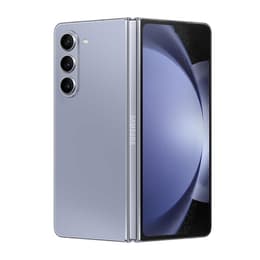
Galaxy Z Fold5
Starting at

Refurbished price:£383.00

Versus £1,899.00 new

See options
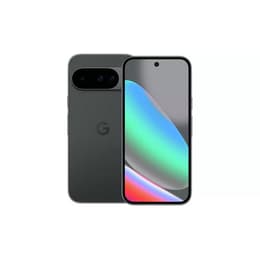
Google Pixel 10
Starting at

Refurbished price:£406.00

Versus £999.00 new

See options

Differences at a glance

The Samsung Galaxy Z Fold5 (2023) and the Google Pixel 10 (2025) represent two distinct visions of modern smartphone design, contrasting a book-style foldable device with a conventional high-performance slate form factor. While both run on the Android operating system and target users seeking high-end functionality, they approach daily computing through completely different hardware layouts. Choosing between them depends entirely on whether physical multitasking space or traditional pocketability matters more to your routine.

Available Models

Colour

Storage (GB)

Scores

Durability

When evaluating long-term utility, these devices differ significantly in their release timelines, software support windows, and mechanical considerations.

  • Release timeline and software support: The Galaxy Z Fold5 launched earlier, while the Google Pixel 10 benefits from an extended software update commitment spanning multiple years of major operating system upgrades.
  • Mechanical durability and repair: The Pixel 10 features a traditional solid body design with high-end water and dust resistance, whereas the Galaxy Z Fold5 utilizes a complex folding hinge mechanism that requires careful handling over years of frequent use.
  • Expected lifespan: Both models offer robust internal hardware that handles modern software easily, though slate devices generally present fewer long-term mechanical wear points than foldable alternatives.

Year of Release

2023

2025

Performance

Both smartphones provide ample storage configurations and smooth processing capabilities tailored to demanding daily use and active multitasking workflows.

  • System responsiveness: Both devices handle everyday app loading, web browsing, and heavy multitasking smoothly without noticeable stutter or slowdowns.
  • Battery behavior: The Pixel 10 relies on a conventional single-cell power source designed for all-day moderate use, whereas the Galaxy Z Fold5 manages a dual-screen setup that typically requires more frequent charging under heavy multitasking conditions.
  • Multitasking capacity: Generous random access memory allocations on both models ensure that switching between resource-intensive applications remains fluid and responsive.

Screen quality

Display configurations define the core identity of each device, offering starkly different viewing environments for media consumption and daily tasks.

  • Display technology: The Galaxy Z Fold5 provides a flexible internal OLED panel that opens into a tablet-sized workspace alongside a narrow external cover screen, while the Pixel 10 features a traditional, bright flat OLED display with smooth refresh rates.
  • Outdoor visibility: High peak brightness levels on both models ensure that screens remain legible and vibrant even under direct sunlight.
  • Viewing experience: Users who prefer expansive canvases for split-screen apps will lean toward the foldable layout, whereas those who want a standard, single-handed viewing window will find the traditional slate screen more comfortable.

Audiovisual

Imaging hardware and audio-visual output cater to everyday creators, mobile photographers, and media consumers alike.

  • Camera systems: Both devices feature versatile multi-lens rear camera setups capable of capturing sharp everyday photos, detailed wide-angle shots, and stable high-definition video.
  • Low-light and processing: Advanced computational photography features on both models help balance challenging lighting conditions and reduce visual noise in dimly lit environments.
  • Media and audio output: Stereo speakers on both units deliver clear sound for hands-free calls, video streaming, and casual music listening.

Miscellaneous

Practical everyday features, physical dimensions, and connectivity standards shape how each device fits into daily travel and work routines.

  • Connectivity and ports: Both models support fast 5G cellular networks, modern Wi-Fi standards, and secure biometric authentication options like facial recognition or fingerprint sensors.
  • Build and dimensions: The Pixel 10 offers a lightweight, familiar slate profile that slips easily into pockets, while the Galaxy Z Fold5 is heavier and thicker when folded due to its dual-screen mechanical architecture.
  • Durability standards: Robust exterior glass and reinforced frames protect both devices against everyday bumps and minor splashes.

Screen size (in)

7.6

6.3

Mobile network

5G

5G

SIM card

Physical SIM + eSIM

Physical SIM + eSIM

Carrier compatibility

Unlocked

Unlocked

Connector

USB-C

USB-C

What the community thinks

User community discussions reveal that owners of the Galaxy Z Fold5 frequently praise its expansive multitasking space and productivity features, though some express caution regarding outer screen width and hinge durability over time. Conversely, Pixel 10 users highlight reliable battery longevity, streamlined handling, and dependable computational photography, while noting the absence of a folding screen form factor. Users prioritizing expansive workspace and multi-app multitasking will prefer the Galaxy Z Fold5, while users prioritizing pocketability, simplicity, and traditional ergonomics will lean toward the Pixel 10. Opting for a quality-assured refurbished option provides an eco-friendly alternative that extends device life cycles without compromising on performance standards. Ultimately, selecting the right model comes down to matching your preferred physical form factor with your daily workflow requirements.