

Compare models
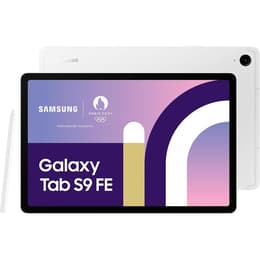
Galaxy Tab S9 FE+ (12.4", 2023) Vs iPad Pro (2020, A12 series)
- 1-year minimum warranty
- Free delivery on all items
- Free 30-day returns
Differences at a glance
The Samsung Galaxy Tab S9 FE+ (released in 2023) and the Apple iPad Pro (released in 2020 with the A12 series) represent two distinct approaches to large-screen tablet computing. While the Samsung model relies on the versatile Android operating system, the Apple alternative runs on iPadOS, creating an immediate software ecosystem distinction for users. They cater to similar productivity and media tasks through entirely different hardware foundations.
Available Models
Colour
Storage (GB)
Scores
Durability
Both devices offer differing long-term support timelines and hardware endurance based on their release schedules and software architectures.
- Release timeline and age: The Galaxy Tab S9 FE+ launched in late 2023, providing a more recent hardware baseline, whereas the iPad Pro debuted in 2020, meaning it has been on the market for several years longer.
- Software longevity expectations: Samsung provides extended security and system updates spanning multiple generations for its fan edition line, while Apple supports its older hardware for an extended period, though the 2020 model is further along its overall support lifecycle.
- Expected practical lifespan: Users can expect reliable day-to-day functionality from both tablets, with the choice depending on whether a newer hardware release date or a mature software platform is preferred.
Year of Release
2023
2020
Compatible with latest Update
Yes
Yes
OS
Android
iPadOS
Performance
Handling everyday apps, multitasking, and media playback varies between the two platforms due to differing memory configurations and system optimizations.
- Multitasking and system responsiveness: Both tablets switch between web browsing, streaming, and document editing smoothly, though the iPad Pro benefits from deep system-level optimizations that keep animations fluid under heavy loads.
- Storage configurations: The Galaxy Tab S9 FE+ offers expandable storage via a microSD card slot, whereas the iPad Pro relies entirely on fixed internal storage capacities chosen at the time of acquisition.
- Battery behavior: Each device provides enough battery capacity to comfortably navigate a standard day of mixed productivity tasks and video viewing before needing a recharge.
Screen quality
Visual output and display responsiveness differ notably in refresh rates, panel technologies, and overall viewing proportions.
- Display technology and clarity: The Galaxy Tab S9 FE+ features a large liquid crystal display with a smooth 90Hz refresh rate, while the iPad Pro utilizes a liquid crystal panel equipped with a 120Hz refresh rate for heightened motion clarity.
- Brightness and outdoor use: Both screens reach sufficient brightness levels for indoor environments and shaded outdoor areas, though direct bright sunlight presents visibility challenges for both panel types.
- Aspect ratios: The Samsung model utilizes a wider screen format well-suited for widescreen video playback, whereas the iPad Pro features a boxier aspect ratio that accommodates document reading and split-screen multitasking.
Resolution
1600 x 2560
2388 x 1668
Screen type
IPS LCD
Liquid Retina display
Pixel density
250ppp
264ppp
Audiovisual
Optical hardware and media output capabilities cater to casual photography, video calls, and sound reproduction.
- Camera systems: The Galaxy Tab S9 FE+ features capable front and rear camera lenses suited for scanning documents and casual snapshots, while the iPad Pro includes multi-lens setups alongside depth-sensing hardware for spatial applications.
- Video calls and recording: Both devices deliver clear video quality for remote meetings and online classes, supported by capable microphone arrays that capture voice accurately.
- Speaker output: Integrated multi-speaker systems on both tablets produce clear, balanced audio for listening to music, watching movies, and participating in calls without external accessories.
Miscellaneous
Physical design elements, connectivity standards, and daily handling characteristics define the physical nature of each tablet.
- Build and dimensions: Both options feature slim aluminum frames and glass fronts, with the Samsung model offering a slightly larger 12.4-inch canvas compared to the standard large iPad Pro format.
- Authentication methods: The Galaxy Tab S9 FE+ integrates biometric security via a physical fingerprint sensor, whereas the iPad Pro utilizes facial recognition technology for unlocking and authentication.
- Connectivity and ports: Both models utilize universal USB-C ports for charging and data transfer, alongside fast wireless network connectivity options for seamless internet access.
Weight
129 g
471 g
Screen size (in)
12.4
11
Network
Wi-Fi
Wi-Fi
Carrier compatibility
Without SIM Port
Without SIM Port
What the community thinks
Online user communities frequently praise the Galaxy Tab S9 FE+ for its expansive screen space, included stylus utility, and expandable storage capacity, while noting that intensive gaming can occasionally cause minor stutter. Conversely, owners of the iPad Pro highlight its robust build quality, fluid display performance, and reliable application ecosystem, though some express desire for longer battery retention on aging units. Users prioritizing expandable storage, a widescreen media layout, and an Android environment may prefer the Samsung device. Meanwhile, users who value a high-refresh-rate screen, a traditional 4:3 aspect ratio, and the iPadOS ecosystem will find the Apple model well-suited to their needs. Choosing a quality-assured refurbished option provides an eco-friendly way to access these features while supporting sustainable consumption habits. Ultimately, the right choice depends on individual software preferences and daily workflow requirements rather than performance superiority.