
Galaxy S24 Vs Google Pixel Fold

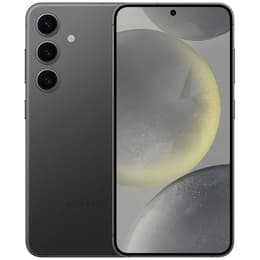
Galaxy S24
Galaxy S24
Starting at

Refurbished price:£273.00

Versus £817.67 new

See options
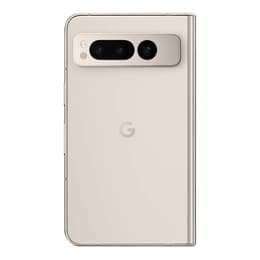
Google Pixel Fold
Google Pixel Fold
Starting at

Refurbished price:£371.00

Versus £1,499.00 new

See options

Ratings

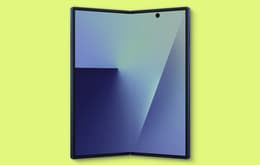
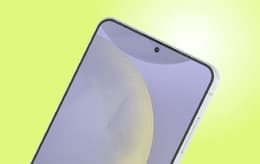
The Samsung Galaxy S24, released in January 2024, is a conventional smartphone offering a refined user experience, while the Google Pixel Fold, launched in June 2023, introduces a foldable design that transforms from a compact phone to a larger tablet-like display. These devices cater to different user preferences, with the Galaxy S24 focusing on a traditional, high-performance slab form factor and the Pixel Fold prioritizing screen versatility and multitasking capabilities. Both operate on the Android ecosystem, providing access to a wide range of applications and services.

Scores

Durability

The practical lifespan of a smartphone is influenced by its physical resilience and the duration of software support it receives. Both devices offer robust build quality, but their form factors present different considerations for long-term use.

  • Release Timeline and Software Support: The Galaxy S24, being a newer device from January 2024, benefits from Samsung's commitment to providing seven years of operating system and security updates, extending its software longevity significantly. The Google Pixel Fold, released in June 2023, is guaranteed five years of OS and security updates, ensuring support until at least June 2028. This difference means the Galaxy S24 will receive feature and security updates for a longer period.
  • Physical Durability: The Galaxy S24 features Gorilla Glass Victus 2 on its display and an Armor Aluminum frame, contributing to its resistance against drops and scratches. It also carries an IP68 rating for dust and water resistance. The Pixel Fold's outer display is protected by Gorilla Glass Victus, while its inner folding screen uses ultra-thin glass with a plastic protective layer, which requires careful handling. The Pixel Fold also boasts an IPX8 water resistance rating, indicating protection against submersion but not dust.
  • Repairability: The Galaxy S24 has demonstrated a high repairability score, with components like the battery being relatively easy to replace, though screen replacement can be challenging. The Pixel Fold, as a foldable device, presents inherent complexities in repair due to its intricate hinge mechanism and flexible display, which some early users reported issues with.

Year of Release

2024

2023

Compatible with latest Update

Yes

Yes

OS

Android

Android

Foldable

No

Yes

Performance

Performance is a key aspect for both devices, though they approach it with different hardware and optimization strategies, impacting how smoothly applications run and how efficiently power is managed.

  • Processing Power: The Galaxy S24 is equipped with a current-generation processor, either the Snapdragon 8 Gen 3 for Galaxy or the Exynos 2400, depending on the region. This hardware enables smooth operation for demanding applications, intensive multitasking, and graphic-rich gaming experiences. The Pixel Fold utilizes the Google Tensor G2 processor, paired with a Titan M2 co-processor, which is optimized for Google's artificial intelligence and machine learning tasks. While capable of handling everyday tasks and moderate gaming, its performance profile is geared towards efficient AI processing rather than raw computational speed compared to the S24's newer chip.
  • Multitasking and Responsiveness: Both devices offer ample RAM for efficient multitasking. The Galaxy S24 comes with 8GB of RAM, while the Pixel Fold features 12GB of LPDDR5 RAM. The Pixel Fold's larger internal display is particularly well-suited for running two applications side-by-side, enhancing productivity for users who frequently switch between apps or need to view multiple pieces of content simultaneously. The Galaxy S24 provides a consistently responsive experience across its standard smartphone interface.
  • Battery Behavior: The Galaxy S24 houses a 4000 mAh battery, supporting 25W wired and 15W wireless charging. The Pixel Fold has a larger 4821 mAh battery capacity, designed to power its dual-screen setup. Real-world battery performance will vary based on usage patterns, especially with the Pixel Fold's larger, flexible display consuming more power when unfolded.

Memory (GB)

8 GB

12 GB

Screen quality

The visual experience on these devices differs significantly due to their distinct form factors and display technologies, catering to varied user preferences for screen size and usage.

  • Display Technology and Clarity: The Samsung Galaxy S24 features a 6.2-inch Dynamic AMOLED 2X display, known for its deep blacks, vibrant colors, and excellent contrast. It offers an FHD+ resolution (2340 x 1080 pixels), providing a sharp and clear viewing experience for a traditional smartphone. The Google Pixel Fold offers a dual-screen setup: a 5.8-inch OLED cover display with FHD+ resolution (2092 x 1080 pixels) and a larger 7.6-inch foldable OLED inner display with a resolution of 2208 x 1840 pixels. Both screens on the Pixel Fold deliver rich colors and good detail.
  • Brightness and Refresh Rate: The Galaxy S24 boasts an impressive peak brightness of 2600 nits, ensuring excellent visibility even in bright outdoor conditions. Its display also features a variable refresh rate ranging from 1Hz to 120Hz, contributing to smooth scrolling and power efficiency. The Pixel Fold's cover display reaches a peak brightness of 1550 nits, while the inner display reaches 1450 nits. Both screens on the Pixel Fold support a 120Hz variable refresh rate, providing a fluid visual experience.
  • Screen Size and Viewing Experience: The Galaxy S24 provides a premium, immersive viewing experience on a single, flat display, ideal for users who prefer a compact and traditional smartphone form factor. The Pixel Fold's main advantage is its larger, tablet-like inner screen, which is beneficial for media consumption, reading, and multitasking, offering a more expansive canvas when unfolded. The cover screen's wider aspect ratio on the Pixel Fold also makes it more usable as a standalone smartphone compared to some other foldables.

Resolution

1080 x 2340

1840 x 2208

Screen type

Dynamic LTPO AMOLED 2X

Foldable OLED

Audiovisual

Both the Galaxy S24 and Pixel Fold offer advanced camera systems, each with distinct strengths in hardware and computational photography, influencing the quality and style of captured images and videos.

  • Rear Camera Systems: The Galaxy S24 features a versatile triple-camera setup, including a 50MP wide-angle lens with optical image stabilization (OIS), a 12MP ultrawide lens with a 120-degree field of view, and a 10MP telephoto lens capable of 3x optical zoom. This configuration provides flexibility for various photographic scenarios. The Pixel Fold also has a triple rear camera system, comprising a 48MP wide-angle lens with OIS, a 10.8MP ultrawide lens with a 121-degree field of view, and a 10.8MP telephoto lens offering 5x optical zoom. The Pixel Fold's longer optical zoom provides greater reach for distant subjects.
  • Photography Performance: The Galaxy S24 benefits from Samsung's advanced image processing, delivering detailed and vibrant photos in various lighting conditions. Its improved imaging algorithms enhance overall picture quality. The Pixel Fold leverages Google's renowned computational photography, excelling in areas like low-light performance, dynamic range, and accurate color reproduction, often producing natural-looking images. Users often praise Pixel cameras for their consistent results and effective processing.
  • Video Recording and Front Cameras: The Galaxy S24 supports video recording up to 8K resolution at 30 frames per second, offering high-fidelity video capture. It includes a 12MP front camera for selfies and video calls. The Pixel Fold records video at up to 4K resolution at 60 frames per second. It features a 9.5MP front camera on the cover display and an 8MP camera above the inner display, providing options for video calls and selfies in both folded and unfolded modes.
  • Audio Experience: Both devices offer a capable audio experience for media consumption and calls. The Galaxy S24 provides clear speaker output, while the Pixel Fold's speakers are also well-regarded for media playback. Microphone quality on both is suitable for clear communication during calls and recordings.

Main camera

50 megapixels

48 megapixels

Front camera

12 megapixels

8 megapixels

Miscellaneous

Beyond core features, several practical elements contribute to the overall user experience, from connectivity to physical design and security.

  • Connectivity Options: The Galaxy S24 supports 5G connectivity, Wi-Fi 6E, and Bluetooth 5.3, ensuring fast and reliable wireless connections. The Pixel Fold also supports 5G and Wi-Fi 6 (ax), along with Bluetooth 5.2. Both devices offer modern connectivity standards for seamless internet access and peripheral pairing.
  • Port Types and Sensors: Both smartphones feature a USB-C port for charging and data transfer, with the Galaxy S24 supporting USB 3.2 and the Pixel Fold supporting USB-C 3.2 Gen 2. For security, the Galaxy S24 includes an ultrasonic in-screen fingerprint sensor. The Pixel Fold incorporates a side-mounted fingerprint sensor for authentication. Both devices also offer face recognition.
  • Weight and Dimensions: The Galaxy S24 is a compact and lightweight device, measuring 70.6 x 147 x 7.6 mm and weighing 167g or 168g. This makes it comfortable for one-handed use and easy to carry. The Pixel Fold, due to its foldable nature, has different dimensions when folded (139.7 x 79.5 x 12.1 mm) and unfolded (139.7 x 158.7 x 5.8 mm), and weighs 283g. Its folded form factor is wider and thicker than a traditional smartphone, while unfolded it offers a larger screen in a thinner profile.
  • Build Materials: The Galaxy S24 uses Gorilla Glass Victus 2 for its display and an Armor Aluminum frame. The Pixel Fold features Gorilla Glass Victus on its cover display and an aluminum frame with a multi-alloy steel hinge, designed for durability in its folding mechanism.

Weight

167 g

283 g

Screen size (in)

6.2

7.6

Mobile network

5G

5G

SIM card

Dual Physical SIM + eSIM

Physical SIM + eSIM

Carrier compatibility

Unlocked

Unlocked

Connector

USB-C

USB-C

The Samsung Galaxy S24 and Google Pixel Fold cater to distinct user needs, each excelling in different areas. User feedback for the Galaxy S24 often highlights its consistent performance, vibrant display, and comprehensive camera system as strong points. Its long-term software support is also a significant advantage for users planning to keep their device for an extended period. Some users might find its design familiar, offering a reliable and refined traditional smartphone experience.

The Google Pixel Fold is frequently praised for its innovative foldable form factor, which provides a large, immersive screen for productivity and media consumption when unfolded, while still being relatively compact when closed. Its camera system, powered by Google's computational photography, is also a common point of appreciation, delivering high-quality images. However, some user concerns have been noted regarding the durability of the inner display and the overall weight of the device compared to traditional smartphones.

Users prioritizing a compact, lightweight, and consistently high-performing traditional smartphone with extensive software support will find the Samsung Galaxy S24 well-suited to their needs. Its robust build and powerful internal components make it a reliable choice for everyday use and demanding applications. Conversely, individuals who value screen versatility, a larger display for multitasking and media, and Google's unique software experience and camera processing may lean towards the Google Pixel Fold. It offers a unique blend of phone and tablet functionality, ideal for those who want a more expansive digital canvas on the go.

For those considering either device, exploring quality-assured refurbished options can be an eco-friendly alternative, providing access to these advanced technologies while supporting sustainable consumption.


See all articles

Our recent comparisons