Galaxy S24 Vs Galaxy Z Fold6

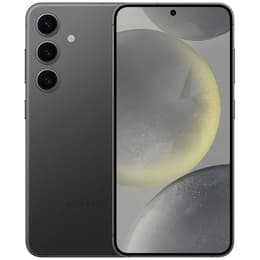
Galaxy S24
Galaxy S24
Starting at

Refurbished price:£271.00

Versus £817.67 new

See options
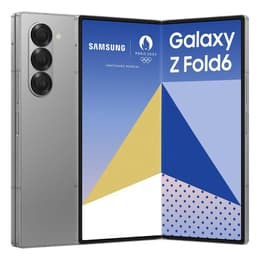
Galaxy Z Fold6
Galaxy Z Fold6
Starting at

Refurbished price:£523.00

Versus £1,685.59 new

See options

Ratings

The Samsung Galaxy S24, released in January 2024, represents a traditional flagship smartphone experience, while the Samsung Galaxy Z Fold6, launched in July 2024, offers a distinct foldable design. Both devices operate on the Android platform with Samsung's One UI, but their fundamental form factors lead to different user interactions and capabilities. The primary distinction lies in the Z Fold6's ability to transform from a compact smartphone into a larger, tablet-like display, contrasting with the S24's conventional, unibody design.

Scores

Durability

When considering the long-term usability of these devices, several factors contribute to their expected lifespan, including software support and physical durability.

  • Software Longevity: Both the Galaxy S24 and the Galaxy Z Fold6 benefit from Samsung's commitment to providing seven years of Android operating system and security updates. This extended support ensures that both devices will receive the latest features and security patches for a considerable period, offering users a prolonged software lifespan.
  • Repairability: The Galaxy S24 generally exhibits a higher repairability score, often rated around 9 out of 10. This is attributed to features like easily replaceable batteries with pull tabs and individual camera lens replacement. In contrast, the Galaxy Z Fold6 typically receives a lower repairability score, around 4 to 5 out of 10, primarily due to the delicate nature of its foldable screen and the complexity of hinge repairs.
  • Physical Durability: The Galaxy S24 features an IP68 rating, indicating robust dust and water resistance. The Galaxy Z Fold6, while water-resistant, carries an IPX8 rating, meaning it offers less protection against dust ingress due to its folding mechanism. The S24 also utilizes Gorilla Glass for display protection, while the Z Fold6's inner foldable screen uses Ultra-Thin Glass (UTG), which is more resilient than previous iterations but remains more delicate than traditional smartphone displays.

Year of Release

2024

2024

Compatible with latest Update

Yes

Yes

OS

Android

Android

Foldable

No

Yes

Performance

Both devices are equipped with advanced internal components designed to handle demanding tasks, though their form factors can influence perceived performance in daily use.

  • Processing Power: Both the Galaxy S24 and the Galaxy Z Fold6 are powered by current-generation processors, enabling smooth operation across various applications. This allows for efficient multitasking, rapid app loading, and responsive performance in graphically intensive games.
  • Memory and Storage: The Galaxy S24 typically comes with 8GB of RAM, while the Galaxy Z Fold6 is equipped with 12GB of RAM. This difference in memory can impact the number of applications that can run simultaneously in the background without performance degradation, with the Z Fold6 potentially offering a smoother experience for heavy multitaskers. Both devices offer various storage options, including 256GB, 512GB, and 1TB, providing ample space for apps, media, and files.
  • Battery Behavior: The Galaxy S24 houses a 4000mAh battery, while the Galaxy Z Fold6 features a 4400mAh battery. Despite the Z Fold6's larger capacity, its dual-display setup, especially the expansive inner screen, can lead to more significant power consumption. Users often report that the S24 provides longer battery life in typical usage scenarios compared to the Z Fold6, which may require more frequent charging for heavy users.

Memory (GB)

8 GB

12 GB

Screen quality

The display experience is a key differentiator between these two Samsung smartphones, offering distinct advantages based on user preferences.

  • Display Technology and Clarity: Both devices feature Dynamic AMOLED 2X displays, known for vibrant colors, deep blacks, and excellent contrast. The Galaxy S24 has a 6.2-inch display with a Full HD+ resolution. The Galaxy Z Fold6 offers a 6.3-inch cover display and unfolds to reveal a larger 7.6-inch main display. The main foldable screen has a resolution of 2160x1856, while the cover screen is 2376x968.
  • Brightness and Refresh Rate: Both models support an adaptive refresh rate of up to 120Hz, providing smooth scrolling and responsive interactions. They also achieve high peak brightness levels, reaching up to 2600 nits, ensuring good visibility even in bright outdoor conditions.
  • Viewing Experience: The Galaxy S24 offers a traditional smartphone viewing experience, well-suited for single-app use and media consumption. The Galaxy Z Fold6's larger inner display provides an expansive canvas ideal for multitasking, reading, and immersive media viewing, akin to a small tablet. However, the Z Fold6's cover screen is narrower than a typical smartphone display, which some users find less comfortable for extended typing or browsing. The inner screen of the Z Fold6 also comes with a pre-applied screen protector that is glossy, which can be more reflective than the S24's display.

Resolution

1080 x 2340

1856 x 2160

Screen type

Dynamic LTPO AMOLED 2X

Foldable Dynamic LTPO AMOLED 2X

Audiovisual

The camera systems on both devices are capable, but they cater to slightly different photographic priorities and offer varying levels of versatility.

  • Rear Camera System: Both the Galaxy S24 and Galaxy Z Fold6 feature a triple-camera setup on the rear. This typically includes a 50-megapixel main sensor, a 12-megapixel ultrawide lens, and a 10-megapixel telephoto lens with 3x optical zoom. While the core specifications appear similar, the S24's camera system is generally considered to offer superior image quality, particularly in detail and consistency, often due to more advanced sensor technology and image processing.
  • Low-Light and Zoom Performance: The Galaxy S24 tends to perform better in low-light conditions, producing images with less noise and greater clarity. For zoom capabilities, while both offer 3x optical zoom, the S24 often provides clearer results at higher zoom levels, especially when digital zoom is engaged.
  • Front and Unique Cameras: The Galaxy S24 has a 12-megapixel front camera. The Galaxy Z Fold6 features a 10-megapixel cover screen selfie camera and a 4-megapixel under-display camera on its inner screen. The under-display camera is less conspicuous but offers lower resolution and can struggle with clarity, particularly in challenging lighting. The Z Fold6's foldable design allows for unique photography angles and the use of the main rear cameras for high-quality selfies, utilizing the cover screen as a viewfinder.
  • Audio Experience: Both devices offer stereo speakers, providing a good audio experience for media consumption. Microphone quality for calls and recording is generally clear on both.

Main camera

50 megapixels

50 megapixels

Front camera

12 megapixels

4 megapixels

Miscellaneous

Beyond the core features, several practical elements contribute to the overall user experience and differentiate these two Samsung smartphones.

  • Connectivity: Both the Galaxy S24 and Galaxy Z Fold6 support 5G connectivity, ensuring fast mobile data speeds. They also include modern Wi-Fi standards and Bluetooth for seamless wireless connections.
  • Portability and Handling: The Galaxy S24 measures 147.00 x 70.60 x 7.60mm and weighs 168g, offering a compact and lightweight traditional smartphone form factor. The Galaxy Z Fold6, when folded, measures 68.1 x 153.5 x 12.1 mm and weighs 239g, making it thicker and heavier than the S24. When unfolded, it becomes a larger, thinner device at 132.6 x 153.5 x 5.6 mm. This difference in dimensions means the S24 is more pocketable and easier to use one-handed, while the Z Fold6 provides a larger screen when unfolded at the expense of bulk when closed.
  • Build Materials and Features: The Galaxy S24 features a durable build with Gorilla Glass protection. The Galaxy Z Fold6 uses an enhanced Armor Aluminum frame and Gorilla Glass Victus 3 for its outer screen, with Ultra-Thin Glass for the inner display. The Z Fold6 also supports S Pen input on its main display, though the stylus is sold separately and does not integrate into the device itself.
  • Security: Both devices incorporate modern biometric security features, including fingerprint sensors and face recognition.

Weight

167 g

239 g

Screen size (in)

6.2

7.6

Mobile network

5G

5G

SIM card

Dual Physical SIM + eSIM

Dual Physical SIM + eSIM

Carrier compatibility

Unlocked

Unlocked

The Samsung Galaxy S24 and Galaxy Z Fold6 cater to distinct user needs, each excelling in different areas. User feedback often praises the Galaxy S24 for its reliable, consistent performance, excellent camera system, and robust durability in a traditional smartphone form factor. It is frequently highlighted for its strong battery life and overall ease of use for everyday tasks.

Conversely, the Galaxy Z Fold6 is lauded for its innovative foldable design, offering a unique large-screen experience for multitasking and media consumption. Users appreciate the versatility of having a compact phone that transforms into a tablet-like display. However, common criticisms include its comparatively less advanced camera system, concerns about the durability of the foldable screen, and its bulkier, heavier design when folded.

Users prioritizing a top-tier camera experience, maximum durability, and a streamlined, pocketable device for consistent daily use will find the Galaxy S24 well-suited to their needs. Its traditional design offers a familiar and highly refined smartphone experience. On the other hand, users who value an expansive screen for productivity, immersive media, and a unique, adaptable form factor may lean toward the Galaxy Z Fold6. Its ability to switch between a phone and a small tablet provides a distinct advantage for specific workflows and entertainment. Both devices offer long-term software support, making them viable options for extended use. For those considering either model, exploring quality-assured refurbished options can provide an eco-friendly alternative.
See all articles

Our recent comparisons