
Compare models
Galaxy S24 Ultra Vs Google Pixel 7 Pro
- 1-year minimum warranty
- Free delivery on all items
- Free 30-day returns
Differences at a glance
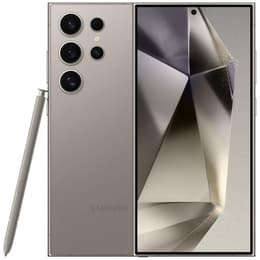
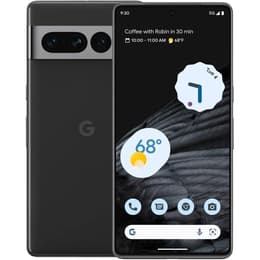
The Samsung Galaxy S24 Ultra, released in January 2024, and the Google Pixel 7 Pro, launched in October 2022, are both high-end Android smartphones designed to offer advanced mobile experiences. While both devices operate on the Android platform, they present distinct approaches to hardware, software integration, and user experience. The S24 Ultra emphasizes a comprehensive feature set with a focus on productivity and advanced camera capabilities, whereas the Pixel 7 Pro highlights Google's computational photography and AI-driven software features.
Available Models
Colour
Storage (GB)
Scores
Durability
The expected practical lifespan of a smartphone is significantly influenced by its release timeline and the manufacturer's commitment to software updates.
- Release Timeline: The Samsung Galaxy S24 Ultra was released in January 2024, making it a newer device compared to the Google Pixel 7 Pro, which launched in October 2022. This difference in release dates means the S24 Ultra benefits from more recent hardware and a longer period of guaranteed software support from its launch.
- OS Support Duration: Samsung has committed to providing seven years of major operating system updates and security updates for the Galaxy S24 Ultra. In contrast, the Google Pixel 7 Pro is set to receive five years of major OS upgrades and security updates from its release. This extended support for the S24 Ultra suggests a longer period during which the device will receive new features and security patches, potentially extending its usable life.
- Durability Features: The Galaxy S24 Ultra features a titanium frame and Corning Gorilla Glass Armor for enhanced screen protection. The Pixel 7 Pro uses an aluminum frame and Gorilla Glass Victus. Both devices carry an IP68 rating for dust and water resistance, indicating protection against immersion in up to 1.5 meters of freshwater for 30 minutes.
Year of Release
2024
2022
Compatible with latest Update
Yes
Yes
OS
Android
Android
Foldable
No
No
Performance
Both devices offer robust performance for daily tasks, but their underlying architectures lead to different strengths in handling demanding applications and multitasking.
- Processing Power: The Galaxy S24 Ultra is equipped with a more recent generation processor, which translates to faster app loading times, smoother transitions, and more efficient handling of graphically intensive games and complex AI tasks. The Pixel 7 Pro, powered by its custom-designed chip, delivers a highly optimized Android experience, excelling in AI-driven features like real-time language translation and advanced photo processing.
- Multitasking and Storage: Both phones offer ample RAM, typically 12GB for the S24 Ultra and 12GB for the Pixel 7 Pro, ensuring smooth multitasking across numerous applications. Storage options for both devices range from 128GB up to 512GB, with the S24 Ultra also offering a 1TB option, providing extensive space for apps, media, and files.
- Battery Performance: The Galaxy S24 Ultra features a 5000 mAh battery and has demonstrated exceptional endurance in real-world usage, often lasting significantly longer than many competitors, even under heavy use. The Pixel 7 Pro also has a 5000 mAh battery, providing sufficient power for a full day of typical use, though some users and tests indicate it may require more frequent charging with intensive tasks due to its display and processor demands.
Screen quality
The visual experience on both smartphones is characterized by high-quality displays, though with some differences in brightness and overall presentation.
- Display Technology and Size: The Galaxy S24 Ultra features a 6.8-inch Dynamic LTPO AMOLED 2X display, while the Pixel 7 Pro has a 6.7-inch LTPO AMOLED screen. Both offer vibrant colors, deep blacks, and excellent contrast, typical of AMOLED technology.
- Resolution and Clarity: Both devices boast QHD+ resolutions (3120 x 1440 pixels for S24 Ultra, 3120 x 1440 pixels for Pixel 7 Pro), resulting in sharp text and detailed images. The pixel density on both ensures a clear viewing experience.
- Brightness and Refresh Rate: The S24 Ultra offers a higher peak brightness of 2600 nits, making it exceptionally visible even in direct sunlight. The Pixel 7 Pro reaches a peak brightness of around 1500 nits, which is still bright enough for most outdoor conditions. Both phones feature an adaptive refresh rate of up to 120Hz, providing smooth scrolling and fluid animations.
Resolution
1440 x 3120
1440 x 3120
Screen type
Dynamic LTPO AMOLED 2X
LTPO AMOLED
Audiovisual
Both the Galaxy S24 Ultra and the Pixel 7 Pro are recognized for their advanced camera systems, each with a distinct philosophy towards image processing and feature sets.
- Rear Camera Systems: The S24 Ultra features a versatile quad-camera setup, including a 200MP main sensor, a 12MP ultrawide, a 10MP 3x telephoto, and a 50MP 5x telephoto lens, offering extensive zoom capabilities and high-resolution capture. The Pixel 7 Pro employs a triple-camera system with a 50MP main sensor, a 12MP ultrawide with autofocus, and a 48MP 5x telephoto lens, relying heavily on computational photography for impressive results.
- Photography Performance: The S24 Ultra delivers images with high detail and vibrant colors, excelling in various lighting conditions and offering advanced zoom performance, particularly with its 5x optical and AI-enhanced digital zoom. The Pixel 7 Pro is known for its consistent image quality, natural color reproduction, and strong low-light performance, often producing balanced and realistic photos through its software processing.
- Video and Special Features: Both devices support high-resolution video recording, including 4K at 60fps, with the S24 Ultra also capable of 8K video. The S24 Ultra includes AI-powered editing tools and features like slow-motion video previews. The Pixel 7 Pro offers unique software features such as Photo Unblur, Cinematic Blur for video, and Macro Focus using its ultrawide lens.
Main camera
200 megapixels
50 megapixels
Front camera
12 megapixels
10.8 megapixels
Miscellaneous
Beyond core specifications, several practical elements differentiate the user experience of these two flagship smartphones.
- Connectivity and Ports: The Galaxy S24 Ultra supports the latest Wi-Fi 7 standard, offering potentially faster and more stable wireless connections, alongside Bluetooth 5.3 and 5G connectivity. The Pixel 7 Pro supports Wi-Fi 6E, Bluetooth 5.3, and 5G. Both devices utilize a USB-C port for charging and data transfer.
- Biometrics and Sensors: Both phones feature in-display fingerprint sensors for secure unlocking. The S24 Ultra uses an ultrasonic sensor, while the Pixel 7 Pro uses an optical sensor. The Pixel 7 Pro also offers face unlock. The S24 Ultra integrates the S Pen stylus, providing enhanced productivity for note-taking, drawing, and navigation.
- Design and Handling: The S24 Ultra has a flatter display and a titanium frame, contributing to a robust feel and a slightly squarer design. It weighs around 232-233 grams. The Pixel 7 Pro features a curvier design with an aluminum frame and weighs approximately 212 grams, offering a different in-hand feel.
Weight
232 g
212 g
Screen size (in)
6.8
6.7
Mobile network
5G
5G
SIM card
Physical SIM + eSIM
Physical SIM + eSIM
Carrier compatibility
Unlocked
Unlocked
What the community thinks
The Samsung Galaxy S24 Ultra and Google Pixel 7 Pro cater to slightly different user priorities within the premium Android smartphone market. Users frequently praise the S24 Ultra for its exceptional battery life, versatile camera system with advanced zoom capabilities, and the integrated S Pen for productivity. Its extended software support also stands out as a significant long-term benefit. Some common criticisms, though less frequent, might revolve around its larger size and weight for some users.
The Pixel 7 Pro is often lauded for its consistent and natural-looking photography, particularly in challenging conditions, and its seamless integration of Google's AI-driven software features like Photo Unblur and Cinematic Blur. Its clean Android experience and timely updates are also strong points. However, some users have noted that its battery life, while generally sufficient, may not match the endurance of the S24 Ultra under heavy usage.
Users prioritizing a device with the longest possible software support, a highly versatile camera with extensive zoom, and integrated stylus functionality for creative or professional tasks may find the Samsung Galaxy S24 Ultra more aligned with their needs. Conversely, those who value a pure Android experience, exceptional computational photography that produces natural images, and unique AI-powered software enhancements might lean towards the Google Pixel 7 Pro. Both devices represent quality-assured options, and considering a refurbished model can be an eco-friendly alternative to purchasing new.