
Compare models
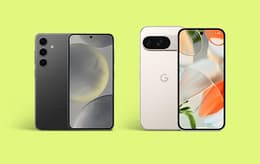
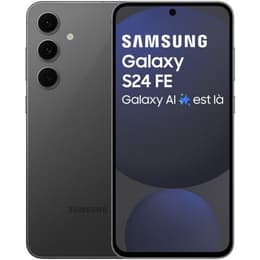
Galaxy S24 FE Vs Google Pixel 10
- 1-year minimum warranty
- Free delivery on all items
- Free 30-day returns
Differences at a glance
The Samsung Galaxy S24 FE (2024) and the Google Pixel 10 (2025) are contemporary smartphones designed to deliver high-tier capability and modern features. While both devices offer robust feature sets tailored for everyday mobile users, they differ notably in screen size, hardware ecosystem, and overall interface design. The Galaxy S24 FE operates on Samsung's customized software interface built over Android, whereas the Google Pixel 10 runs clean Android with long-term software commitments directly from the developer.
Available Models
Colour
Storage
Scores
Durability
Examining the longevity and durability of these devices reveals solid structural build quality and extended software maintenance schedules suited for long-term ownership.
- Release timeline and software support: The Galaxy S24 FE launched in late 2024, while the Google Pixel 10 arrived in late 2025. Both handsets benefit from extended update schedules spanning multiple years, ensuring long-term security and feature updates.
- Build and repairability: Both models incorporate sturdy aluminum frames and high-resistance glass panels on front and back, coupled with standard dust and water resistance ratings for everyday protection.
- Expected lifespan: Robust battery capacities and modern hardware specifications allow both devices to maintain reliable daily operation over several years of standard use.
Year of Release
2024
2025
Compatible with latest Update
Yes
Yes
OS
Android
Android
Foldable
No
No
Performance
Underneath the surface, these smartphones handle demanding applications, routine multitasking, and casual gaming through distinct hardware configurations.
- Storage and memory configurations: The Galaxy S24 FE comes equipped with ample built-in memory paired with standard storage options, while the Pixel 10 offers a higher baseline random access memory capacity to assist with background task management.
- System responsiveness: Both processors handle rapid app launching, media streaming, and multi-window workflows smoothly without noticeable stutter during regular operation.
- Battery behavior: Energy management systems on both devices generally sustain a full day of mixed usage, though individual endurance varies depending on screen brightness settings and network activity.
Screen quality
Visual output differs primarily in physical dimensions and panel technology, impacting how media and daily feeds are consumed.
- Display technology and size: The Galaxy S24 FE features a larger AMOLED panel measuring 6.7 inches, whereas the Pixel 10 uses a compact 6.3-inch OLED screen. Both deliver crisp text rendering and deep contrast levels.
- Outdoor visibility and refresh rate: High peak brightness levels on both screens ensure legibility under direct sunlight, while smooth 120Hz refresh rates provide fluid scrolling through web pages and menus.
- Viewing experience: The larger canvas of the Samsung model caters well to video viewing, while the more compact Google model facilitates easier one-handed reachability.
Resolution
1080 x 2340
1080x2424
Screen type
Dynamic AMOLED 2X
OLED
Audiovisual
Photography and multimedia output rely on multi-lens rear setups designed to capture clear photos across diverse lighting conditions.
- Camera capabilities: Both phones include main wide-angle lenses and secondary ultra-wide options, accompanied by dedicated telephoto sensors for optical zoom functionality.
- Low-light and video performance: Computational image processing helps reduce noise in dim environments, while steady video stabilization ensures smooth recording during motion.
- Media and audio output: Built-in stereo speakers deliver balanced sound output for casual video watching and hands-free calls, supported by clear multi-microphone arrays.
Front camera
10 megapixels
42 megapixels
Miscellaneous
Practical daily utility is shaped by physical dimensions, connectivity standards, and biometric authentication methods.
- Connectivity and ports: Both models support modern 5G cellular networks, high-speed Wi-Fi standards, and universal USB-C ports for charging and data transfer.
- Physical handling: The Galaxy S24 FE measures slightly larger and heavier due to its expansive screen, whereas the Pixel 10 provides a more compact footprint for pocketability.
- Security sensors: Secure unlocking is handled via responsive optical fingerprint sensors embedded beneath the glass display, alongside facial recognition capabilities.
Weight
213 g
204 g
Screen size (in)
6.7
6.3
Mobile network
5G
5G
SIM card
Dual Physical SIM
Physical SIM + eSIM
Carrier compatibility
Unlocked
Unlocked
Connector
USB-C
USB-C
What the community thinks
User feedback from online communities highlights distinct preferences for each device based on physical size and software preference. Owners of the Galaxy S24 FE frequently praise its expansive display estate and versatile customization options within the software interface. Conversely, Pixel 10 users often emphasize the streamlined software experience, clean interface design, and reliable point-and-shoot camera capabilities. Common discussions note that the larger frame of the Samsung model can feel cumbersome for one-handed use, while some users mention that Google's device can run warm during extended high-intensity gaming sessions.
When deciding between these two options, user priorities serve as the primary guide. Users prioritizing a larger viewing area for media consumption and multitasking will find the Galaxy S24 FE well-suited to their needs. Meanwhile, users prioritizing a more compact physical footprint alongside a streamlined software environment may lean toward the Google Pixel 10. For those seeking a quality-assured refurbished option, exploring these models through a sustainable choice platform offers an eco-friendly alternative to purchasing brand new without compromising on functional capability.