Compare models
Galaxy S23 Vs Galaxy Z Flip7
- 1-year minimum warranty
- Free delivery on all items
- Free 30-day returns
Differences at a glance
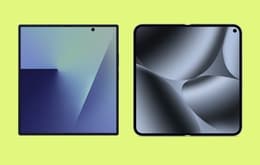
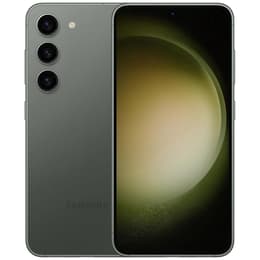
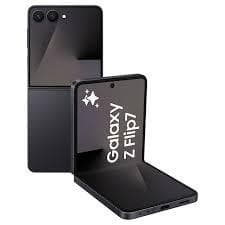
The Samsung Galaxy S23 (2023) and the Samsung Galaxy Z Flip7 (2025) represent two distinct approaches to modern smartphone engineering, contrasting a traditional slate design with a clamshell foldable form factor. While both run on Android with Samsung's customized interface, their primary differentiators lie in physical construction, release timeline, and display flexibility. This comparison explores how their core specifications and real-world behavior measure up across daily use categories.
Available Models
Colour
Storage
Scores
Durability
Evaluating the lifespan and durability of these devices involves balancing their release timelines, software maintenance schedules, and mechanical construction.
- Release timeline and support: The Galaxy S23 launched earlier, meaning its software support window spans a longer portion of its lifecycle compared to the newer Galaxy Z Flip7. Both receive long-term operating system updates, though newer hardware naturally extends total future readiness.
- Physical durability: The Galaxy S23 relies on a rigid glass-and-aluminum slab construction with high water-resistance ratings. In contrast, the Galaxy Z Flip7 incorporates a folding glass screen mechanism, which requires careful handling around the hinge over years of heavy physical use.
- Expected lifespan: Traditional slate phones like the Galaxy S23 often maintain structural consistency longer due to fewer moving parts, whereas foldable models appeal to users comfortable with the unique maintenance considerations of flexible displays.
Year of Release
2023
2025
Compatible with latest Update
Yes
Yes
OS
Android
Android
Foldable
No
Yes
Performance
System responsiveness and day-to-day operation dictate how smoothly each phone handles multitasking, gaming, and battery management.
- Storage and memory: The Galaxy Z Flip7 offers higher baseline memory configurations to support intensive background tasks, while the Galaxy S23 provides reliable storage tiers suited for standard media collections and applications.
- Everyday speed and multitasking: Both devices manage app loading, web browsing, and heavy gaming smoothly, though current-generation internal components in the Galaxy Z Flip7 deliver extra headroom for intensive processing tasks.
- Battery behavior: The Galaxy S23 features a compact battery capacity that comfortably handles moderate daily routines, whereas the Galaxy Z Flip7 balances a larger power cell against the demands of powering two separate screens.
Screen quality
Visual output differs fundamentally between the compact rigid screen of the traditional model and the expansive folding panel of the flip device.
- Display technology: The Galaxy S23 utilizes a traditional flat panel with vivid color reproduction and deep contrast, while the Galaxy Z Flip7 features a foldable main display paired with a functional outer screen for quick interactions.
- Brightness and outdoor clarity: Both displays achieve high peak brightness levels, ensuring readability under direct sunlight.
- Refresh rate and smoothness: Each model supports a smooth refresh rate for fluid scrolling through menus, web pages, and user interfaces.
Resolution
1080 x 2340
1080x2520
Audiovisual
Optics and media consumption capabilities shape how each device handles photography, video recording, and audio playback.
- Camera systems: Both models include high-resolution main sensors and wide-angle lenses capable of capturing detailed everyday and low-light photos. The foldable nature of the Galaxy Z Flip7 allows for flexible tabletop framing without a tripod.
- Video and audio output: Video recording remains stable and clear across both devices. Built-in stereo speakers provide balanced sound for casual media streaming and hands-free calls.
- Microphone performance: Voice clarity during calls and audio notes remains reliable, utilizing noise reduction features built into the software.
Main camera
50 megapixels
50 megapixels
Front camera
12 megapixels
10 megapixels
Miscellaneous
Practical usability factors such as physical dimensions, connectivity standards, and daily handling influence portability.
- Build and handling: The Galaxy S23 offers a lightweight, pocket-friendly slate profile, whereas the Galaxy Z Flip7 folds in half to occupy less vertical pocket space while being slightly thicker when closed.
- Connectivity and ports: Both smartphones support modern 5G networks, fast wireless connectivity standards, and standard USB-C charging interfaces.
- Security sensors: Fast biometric authentication is handled via responsive fingerprint recognition and facial scanning capabilities across both models.
Weight
168 g
188 g
Screen size (in)
6.1
6.9
Mobile network
5G
5G
SIM card
Dual Physical SIM + eSIM
Physical SIM + eSIM
Carrier compatibility
Unlocked
Unlocked
What the community thinks
User feedback highlights distinct preferences for each device across online communities. Owners of the Galaxy S23 frequently praise its comfortable one-handed usability, pocket-friendly dimensions, and reliable daily battery behavior. Conversely, Galaxy Z Flip7 users often emphasize the convenience of the compact folding form factor and the utility of checking notifications on the outer screen without unfolding the device.
Users prioritizing a traditional, lightweight pocket footprint and straightforward physical durability may prefer the Galaxy S23. Meanwhile, users who value a compact folded size, innovative screen flexibility, and modern hardware features will likely lean toward the Galaxy Z Flip7. For those seeking a quality-assured refurbished option, exploring eco-friendly alternatives on Back Market provides a sustainable way to acquire either model.
Ultimately, the decision rests on whether a classic slate layout or a folding clamshell design better aligns with daily routines and personal handling preferences.