Galaxy S10+ Vs iPhone 12 Pro

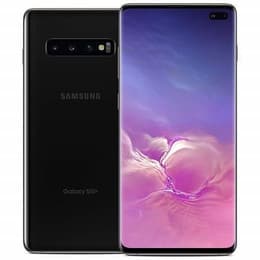
Galaxy S10+
Galaxy S10+
Starting at

Refurbished price:£115.32

Versus £330.00 new

See options
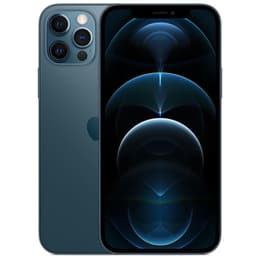
iPhone 12 Pro
iPhone 12 Pro
Starting at

Refurbished price:£204.00

Versus £879.00 new

See options

Ratings

The Samsung Galaxy S10 Plus, launched in early 2019, and the iPhone 12 Pro, released in late 2020, represent two distinct philosophies in the smartphone market. While the Galaxy S10 Plus was designed as a feature-rich powerhouse that retained classic hardware elements, the iPhone 12 Pro introduced a more streamlined, modern approach with a focus on high-speed connectivity and advanced computational photography. These devices operate on different ecosystems—Android and iOS respectively—which significantly influences the user experience and long-term software support.

Scores

Durability

When evaluating how long these devices will remain functional and secure, the release gap of eighteen months plays a significant role in their software longevity and hardware resilience.

  • Software Support: The iPhone 12 Pro continues to receive the latest iOS updates, ensuring users have access to new features and security patches for several years to come. In contrast, the Galaxy S10 Plus has reached the end of its major Android update cycle, meaning it no longer receives the latest operating system versions.
  • Build Durability: The iPhone 12 Pro features a flat-edge stainless steel frame and Ceramic Shield glass, which is designed to offer better drop protection than standard glass. The Galaxy S10 Plus uses a more traditional curved glass design that, while elegant, can be more susceptible to damage if dropped without a protective case.
  • Repairability: Both smartphones have widely available replacement parts, but the Galaxy S10 Plus is often noted for its complex internal layout, whereas the iPhone 12 Pro benefits from a more modular design that can simplify certain professional repairs.

Year of Release

2019

2020

Compatible with latest Update

No

Yes

OS

Android

iOS

Foldable

No

No

Performance

Performance in these devices is defined by how smoothly they handle multitasking, demanding applications, and daily battery management without becoming sluggish.

  • System Responsiveness: The iPhone 12 Pro utilizes highly efficient internal hardware that ensures apps open instantly and the interface remains fluid even when editing high-resolution video. The Galaxy S10 Plus remains perfectly capable for standard tasks like web browsing and social media, though users may notice slight delays when running the most modern, resource-heavy games.
  • Battery and Efficiency: The Galaxy S10 Plus houses a physically larger battery that provides reliable all-day usage for moderate users. The iPhone 12 Pro, despite having a smaller battery capacity, uses sophisticated software optimization to achieve similar runtimes, though heavy 5G usage can deplete it faster.
  • Storage Options: A major differentiator is the Galaxy S10 Plus's inclusion of a microSD card slot, allowing users to easily expand their storage space. The iPhone 12 Pro relies solely on internal storage, meaning users must decide on their capacity needs at the time of purchase.

Memory (GB)

8 GB

6 GB

Screen quality

The display is the primary way users interact with their devices, and both Samsung and Apple have implemented high-quality panels with different visual characteristics.

  • Display Technology: The Galaxy S10 Plus features a 6.4-inch curved AMOLED screen that offers an immersive, edge-to-edge viewing experience with vibrant colours and deep blacks. The iPhone 12 Pro uses a 6.1-inch flat OLED display that prioritises colour accuracy and high peak brightness, making it exceptionally easy to read in bright outdoor environments.
  • Viewing Experience: Users who enjoy watching films or long-form videos may prefer the larger, uninterrupted canvas of the Galaxy S10 Plus. However, the flat screen of the iPhone 12 Pro is often preferred by those who find curved edges lead to accidental touches or distorted reflections at the screen borders.
  • Smoothness: Both screens operate at a standard refresh rate, providing a consistent and familiar feel during scrolling and animations, though the iPhone's touch response is often cited as feeling slightly more immediate.

Resolution

1440 x 3040

1170 x 2532

Screen type

Dynamic AMOLED

Super Retina XDR OLED

Audiovisual

For many users, the camera system is the most important feature, and these two models offer versatile setups for photography and video recording.

  • Photography Versatility: Both devices feature a triple-camera array consisting of wide, ultra-wide, and telephoto lenses. This allows for great flexibility, from capturing expansive landscapes to taking detailed portraits. The iPhone 12 Pro includes a LiDAR scanner, which significantly improves autofocus speed in low-light conditions.
  • Video Capabilities: The iPhone 12 Pro is widely regarded as a leader in mobile video, offering smooth stabilisation and the ability to record in high-dynamic-range formats that preserve more detail in highlights and shadows. The Galaxy S10 Plus produces clear, high-quality video but lacks the advanced cinematic processing found in the newer iPhone.
  • Selfie Performance: The Galaxy S10 Plus features a dual front-facing camera setup that can capture wider group shots and more natural background blur in portraits, while the iPhone 12 Pro uses its front-facing sensors for secure facial recognition and consistent skin tone reproduction.

Main camera

12 megapixels

12 megapixels

Front camera

10 megapixels

12 megapixels

Miscellaneous

Beyond the core specifications, several practical features and connectivity options can influence which device feels more convenient in daily life.

  • Connectivity Standards: The iPhone 12 Pro is equipped with 5G capabilities, allowing for much faster download and upload speeds on compatible networks. The Galaxy S10 Plus is a 4G LTE device, which is still perfectly functional for most tasks but lacks the future-proofing of the newer cellular standard.
  • Physical Ports: A standout feature for the Galaxy S10 Plus is the 3.5mm headphone jack, allowing for the use of wired headphones without an adapter. The iPhone 12 Pro uses a Lightning port and requires wireless headphones or a dongle for wired audio.
  • Biometrics and Handling: The Galaxy S10 Plus uses an ultrasonic fingerprint sensor hidden under the display, which works well even if fingers are slightly damp. The iPhone 12 Pro relies on FaceID, which is highly secure and convenient for hands-free unlocking, though it requires a clear view of the user's face.

Weight

175 g

187 g

Screen size (in)

6.4

6.1

Mobile network

4G

5G

SIM card

Dual Physical SIM

Physical SIM + eSIM

Carrier compatibility

Unlocked

Unlocked

In summary, the choice between the Galaxy S10 Plus and the iPhone 12 Pro often comes down to a preference for hardware flexibility versus long-term software reliability. Community discussions on platforms like Reddit frequently highlight the Galaxy S10 Plus as one of the last "classic" flagships, praised for its expandable storage and headphone jack. However, users also note that its aging processor and lack of recent Android updates make it feel less "current" than more modern alternatives. The iPhone 12 Pro is consistently lauded for its exceptional video quality, 5G readiness, and the fact that it still receives the latest software features, making it feel like a contemporary device despite being several years old.

Users who prioritise a larger, curved screen, the convenience of a headphone jack, and the ability to expand storage with a memory card will find the Galaxy S10 Plus to be a practical and versatile companion. On the other hand, users who want a more compact device with faster mobile data speeds, superior video recording, and guaranteed software updates for the foreseeable future will likely lean toward the iPhone 12 Pro. Choosing a quality-assured refurbished option for either of these smartphones is an eco-friendly alternative that extends the life of high-quality hardware. Both models remain excellent examples of smartphone engineering, and opting for a sustainable choice helps reduce the environmental impact of personal technology.


See all articles

Our recent comparisons