Galaxy A56 Vs iPhone 14 Pro

Galaxy A56
Galaxy A56
Starting at

Refurbished price:£274.00

Versus £422.50 new

See options
iPhone 14 Pro
iPhone 14 Pro
Starting at

Refurbished price:£304.00

Versus £1,099.00 new

See options

Ratings

The Samsung Galaxy A56 (2025) and the iPhone 14 Pro (2022) represent a fascinating comparison between a modern, efficient mid-range device and a high-performance flagship from a few seasons ago. While the Galaxy A56 brings the latest software standards and contemporary design language to the Android ecosystem, the iPhone 14 Pro continues to offer professional-grade hardware and the integrated iOS experience. These devices cater to different user priorities, balancing the benefits of a newer release date against the enduring power of a Pro-tier model.

The primary differentiator between these two smartphones is their foundational philosophy: the Galaxy A56 focuses on providing a reliable, long-lasting daily experience with modern connectivity, whereas the iPhone 14 Pro prioritises advanced photography and high-speed processing. Understanding how these different approaches impact daily use is essential for anyone deciding between a current-generation all-rounder and a seasoned professional tool.

Scores

Durability

When evaluating how long these devices will remain functional and relevant, the release timeline plays a significant role in software support and hardware resilience.

  • Software Longevity: The Galaxy A56, being a much newer release from 2025, is expected to receive official software updates and security patches well into the early 2030s. In contrast, the iPhone 14 Pro, launched in 2022, has already utilised several years of its expected six-to-seven-year update cycle, meaning its remaining support window is naturally shorter than the newer Samsung model.
  • Build Resilience and Repair: The iPhone 14 Pro features a stainless steel frame and high-strength glass, designed for long-term physical durability, though repairs can be complex due to its integrated components. The Galaxy A56 typically uses a mix of glass and reinforced materials that are designed for easier modular repair, which can extend the practical lifespan of the device for users who prefer to maintain their hardware over many years.
  • Battery Health: Because the iPhone 14 Pro is an older model, users should consider that its battery technology has aged more than the fresh cells found in the Galaxy A56, though both devices are designed to maintain significant capacity over hundreds of charge cycles.

Year of Release

2025

2022

Compatible with latest Update

Yes

Yes

OS

Android

iOS

Foldable

No

No

Performance

Performance is not just about raw speed; it is about how smoothly a device handles your specific daily habits, from social media scrolling to intensive multitasking.

  • System Responsiveness: The iPhone 14 Pro was engineered to handle demanding professional applications and high-end mobile gaming without hesitation. Even years after its release, it maintains a highly fluid interface and rapid app switching. The Galaxy A56 is built with a modern, efficient processor that handles everyday tasks like web browsing, video streaming, and office apps with ease, though it may not feel quite as instantaneous as the iPhone during extremely heavy workloads.
  • Multitasking and Memory: Samsung typically equips the A-series with ample memory to ensure that multiple apps can stay open in the background without refreshing. The iPhone 14 Pro uses highly optimised memory management that allows it to perform smoothly even when several high-drain apps are active simultaneously.
  • Storage and Efficiency: Both devices offer various storage capacities to house photos and files, but the Galaxy A56 often includes the option for expandable storage via a card slot, a feature absent on the iPhone 14 Pro, which relies entirely on internal capacity and cloud services.

Memory (GB)

8 GB

6 GB

Screen quality

The display is the primary way you interact with your phone, and both devices offer high-quality visual experiences with distinct technological advantages.

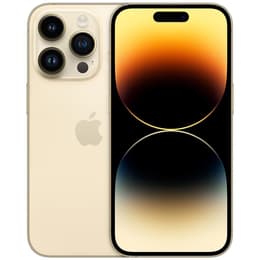
  • Display Technology: The iPhone 14 Pro features an advanced OLED screen with a variable refresh rate that can reach 120Hz for smooth motion or drop down to save power. It also includes the Always-On feature and the Dynamic Island, which integrates notifications into the screen design. The Galaxy A56 uses a vibrant Super AMOLED display that also supports a 120Hz refresh rate, providing a similarly fluid experience for scrolling and animations.
  • Outdoor Visibility: For users who frequently use their phones in bright sunlight, the iPhone 14 Pro offers exceptionally high peak brightness levels that ensure the screen remains legible. The Galaxy A56 also provides high brightness suitable for most outdoor conditions, though it may not reach the same extreme levels as the Pro-tier iPhone.
  • Viewing Experience: The Galaxy A56 typically offers a slightly larger screen area, which is beneficial for watching videos or reading long documents. The iPhone 14 Pro focuses on colour accuracy and high pixel density, making it a preferred choice for users who prioritise visual precision and photo editing.

Resolution

1080 x 2340

1179 x 2556

Screen type

Super AMOLED

LTPO Super Retina XDR OLED

Audiovisual

Photography and video capabilities are often the deciding factor for many users, with both phones offering versatile multi-lens systems.

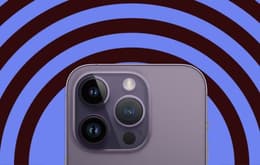
  • Versatility and Zoom: The iPhone 14 Pro features a dedicated telephoto lens, allowing for high-quality optical zoom that brings distant subjects closer without losing detail. The Galaxy A56 usually relies on a high-resolution main sensor and an ultra-wide lens; while it takes excellent standard photos, it lacks the dedicated long-range zoom hardware found on the iPhone.
  • Low-Light Performance: Thanks to its larger sensors and advanced image processing, the iPhone 14 Pro excels in capturing clear, detailed images in dim environments. The Galaxy A56 performs admirably in daylight and well-lit indoor settings, but users may notice more digital noise in very dark conditions compared to the professional-grade sensors of the iPhone.
  • Video and Audio: The iPhone 14 Pro is widely recognised for its stable, high-quality video recording and professional features like cinematic mode. The Galaxy A56 provides reliable 4K video recording and clear microphone pickup, making it perfectly suitable for social media and video calls, though it lacks the advanced post-production tools found in the iOS ecosystem.

Main camera

4K@30fps

48 megapixels

Front camera

13 megapixels

12 megapixels

Miscellaneous

Beyond the core specs, practical features like connectivity and physical design influence how the phone fits into your daily routine.

  • Connectivity and Ports: The Galaxy A56 uses the universal USB-C port, which is compatible with most modern laptops, tablets, and chargers. The iPhone 14 Pro uses the Lightning port, which may require specific cables if you are not already within the Apple ecosystem. Both devices support 5G for fast mobile data and include modern Wi-Fi and Bluetooth standards.
  • Biometrics and Security: The iPhone 14 Pro utilises FaceID, a secure facial recognition system that works in almost any lighting condition. The Galaxy A56 typically uses an in-display fingerprint sensor, which some users find more convenient when wearing masks or when the phone is lying flat on a desk.
  • Dimensions and Handling: The iPhone 14 Pro has a dense, heavy feel due to its stainless steel construction, providing a sense of sturdiness. The Galaxy A56 is often lighter despite its larger size, making it easier to hold for long periods during one-handed use.

Weight

197 g

206 g

Screen size (in)

6.5

6.1

Mobile network

5G

5G

SIM card

Dual Physical SIM + eSIM

Physical SIM + eSIM

Carrier compatibility

Unlocked

Unlocked

Connector

USB-C

Lightning

Choosing between the Samsung Galaxy A56 and the iPhone 14 Pro involves weighing the benefits of a brand-new mid-range device against a slightly older flagship. User consensus on forums suggests that those who choose the iPhone 14 Pro are often drawn to its exceptional video quality, the seamless integration of the iOS ecosystem, and the premium feel of its hardware. However, some users note that the transition to USB-C in newer models makes the Lightning port on the 14 Pro feel somewhat dated. On the other hand, Galaxy A56 users frequently praise the device for its impressive battery life, the flexibility of the Android operating system, and the peace of mind that comes with a device that will receive updates for many years to come.

Users who prioritise professional photography, high-end gaming, and a compact, sturdy build will likely find the iPhone 14 Pro better suited to their needs. Choosing a quality-assured refurbished option allows these users to access these professional features while supporting a more circular economy. Conversely, users who value a larger screen, the latest software version, and the convenience of universal USB-C charging may lean toward the Galaxy A56. For those seeking a sustainable choice, both models represent a way to enjoy modern technology without the environmental impact of producing new hardware. Ultimately, both smartphones are capable performers that serve their respective audiences with reliability and modern functionality.


See all articles

Our recent comparisons