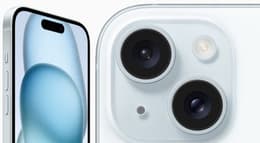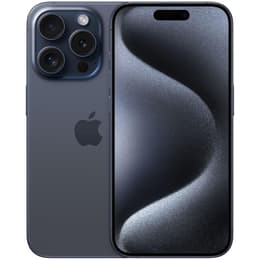

Galaxy A36 Vs iPhone 15 Pro

Galaxy A36
Galaxy A36
Starting at

Refurbished price:£206.00

Versus £369.00 new

See options
iPhone 15 Pro
iPhone 15 Pro
Starting at

Refurbished price:£427.00

Versus £999.00 new

See options

Ratings

The Samsung Galaxy A36, a hypothetical successor to the A35, is anticipated to be a mid-range Android smartphone, likely released in early 2026. In contrast, the iPhone 15 Pro is a high-end iOS device that launched in September 2023. These two devices cater to different user needs and preferences, primarily differing in their operating systems, overall performance capabilities, and camera systems.

Scores

Durability

The longevity of a smartphone is influenced by its release timeline, software support, and physical durability features.

  • Software Updates: The iPhone 15 Pro, running on iOS, typically receives major operating system updates for approximately 5 to 7 years from its release, with security patches extending even further. The Galaxy A36, as an Android device, is expected to receive around 4 to 5 years of major OS updates and 5 to 6 years of security updates, based on Samsung's recent policies for its A-series. [3, 11, 14, 18, 19, 24, 28]
  • Physical Durability: The iPhone 15 Pro features a robust titanium frame, a Ceramic Shield front cover, and an IP68 rating for dust and water resistance, allowing submersion up to 6 meters for 30 minutes. The Galaxy A36, following its predecessor, is likely to offer a plastic frame with a glass front protected by Gorilla Glass Victus+ and an IP67 rating, providing protection against dust and water immersion up to 1 meter for 30 minutes. [6, 8, 25, 26]
  • Practical Lifespan: Users prioritizing the longest possible software support and premium build materials may find the iPhone 15 Pro offers a slightly extended practical lifespan. However, the Galaxy A36 is designed to be a durable device for everyday use, with its expected update policy ensuring several years of secure and functional operation.

Year of Release

2025

2023

OS

Android

iOS

Foldable

No

No

Performance

Performance differences between these two devices are notable, reflecting their distinct market segments.

  • Processing Power: The iPhone 15 Pro is equipped with a high-performance processor designed to handle demanding applications, intensive gaming, and complex multitasking with fluidity. The Galaxy A36, while offering capable performance for daily tasks, web browsing, and moderate gaming, is built around a mid-range processor that provides a responsive experience for most users. [10, 19, 20, 22]
  • Multitasking and Responsiveness: Users of the iPhone 15 Pro will experience consistently smooth app loading and transitions, even with multiple applications running simultaneously. The Galaxy A36 delivers a generally smooth user experience, though some users might notice occasional minor delays when launching very heavy applications or switching rapidly between many apps. [10, 20]
  • Storage Options: The iPhone 15 Pro offers various internal storage configurations, starting from 128GB and going up to 1TB, without expandable storage. The Galaxy A36 is expected to provide internal storage options, typically 128GB or 256GB, with the added flexibility of expandable storage via a microSD card, which can be beneficial for users with large media libraries. [7, 8, 15]

Memory (GB)

6 GB

8 GB

Screen quality

The display is a primary interface, and both devices offer distinct viewing experiences.

  • Display Technology and Clarity: The iPhone 15 Pro features a 6.1-inch Super Retina XDR OLED display, known for its deep blacks, high contrast, and precise color reproduction, with a resolution of 2556 x 1179 pixels. The Galaxy A36 is expected to come with a larger 6.6-inch Super AMOLED display, offering vibrant colors and good contrast, with a Full HD+ resolution of 1080 x 2340 pixels. [1, 2, 4, 5, 9, 12]
  • Brightness and Refresh Rate: The iPhone 15 Pro's display can reach up to 2000 nits peak outdoor brightness, ensuring excellent visibility even in direct sunlight, and features ProMotion technology for an adaptive refresh rate up to 120Hz, providing smooth scrolling and responsiveness. The Galaxy A36's display is anticipated to offer a peak brightness of around 1000 nits in High Brightness Mode, which is generally sufficient for outdoor use, and a consistent 120Hz refresh rate for a fluid visual experience. [1, 2, 4, 5, 9, 12, 20]
  • Viewing Experience: The iPhone 15 Pro's smaller size and high pixel density contribute to a sharp and immersive viewing experience, complemented by the Dynamic Island for interactive alerts. The Galaxy A36's larger screen size provides more expansive screen real estate, which can be advantageous for media consumption and productivity, though some users note colors can appear washed out in direct sunlight. [10, 17, 20, 22, 26]

Resolution

1080 x 2340

1179 x 2556

Audiovisual

Camera capabilities are a significant consideration, and these devices approach photography from different standpoints.

  • Rear Camera System: The iPhone 15 Pro features a versatile triple camera system, including a 48MP main sensor with optical image stabilization, a 12MP ultrawide lens, and a 12MP telephoto lens offering 3x optical zoom. The Galaxy A36 is expected to have a triple camera setup with a 50MP main sensor (with OIS), an 8MP ultrawide, and a 5MP macro lens, lacking a dedicated telephoto lens. [1, 2, 4, 5, 6, 8, 9, 12, 15, 21, 25]
  • Photography Performance: The iPhone 15 Pro excels in capturing detailed and color-accurate photos across various lighting conditions, including strong low-light performance and realistic selfies. Its advanced computational photography enhances image quality. The Galaxy A36's main camera performs well in daylight, producing vibrant images with natural tones, and offers decent low-light performance, though its ultrawide and macro lenses may not match the detail of the main sensor. [10, 16, 17, 19, 20, 22, 23, 26]
  • Video Recording: Both devices support 4K video recording at 30 frames per second on their main cameras. The iPhone 15 Pro offers additional advanced video features like ProRes recording and Cinematic mode, providing more creative control and higher quality output for videographers. The Galaxy A36 provides solid video quality for everyday use. [2, 4, 6, 8, 9, 12, 20, 23, 25]

Front camera

12

12 megapixels

Miscellaneous

Beyond core features, several practical elements differentiate these smartphones.

  • Connectivity and Ports: Both devices support 5G connectivity and modern Wi-Fi and Bluetooth standards. The iPhone 15 Pro features a USB-C port, enabling faster data transfer speeds and broader compatibility with accessories. The Galaxy A36 also includes a USB-C port. Neither device includes a traditional 3.5mm headphone jack. [4, 5, 6, 8, 17, 23, 25]
  • Biometric Security: The iPhone 15 Pro relies on Face ID for secure facial recognition. The Galaxy A36 is expected to feature an in-display fingerprint sensor for biometric authentication. [5]
  • Design and Handling: The iPhone 15 Pro, with its titanium frame, offers a premium feel and a lighter weight of 187 grams, making it comfortable for one-handed use. The Galaxy A36, with its plastic frame and glass back, weighs around 209 grams and has a larger form factor, which might appeal to users who prefer a more substantial device. [6, 7, 9, 17, 22]

Weight

195 g

187 g

Screen size (in)

6,74

6.1

Mobile network

5G

5G

SIM card

Dual Physical SIM + eSIM

Physical SIM + eSIM

Carrier compatibility

Unlocked

Unlocked

Connector

USB-C

USB-C

The iPhone 15 Pro and the hypothetical Galaxy A36 cater to distinct user needs, reflecting their positions in the premium and mid-range smartphone markets, respectively.

Users frequently praise the iPhone 15 Pro for its exceptional performance, advanced camera system, and the seamless integration within the iOS ecosystem. Its compact size and premium build materials are also commonly highlighted as positive attributes. Some users, however, note that its battery life, while generally good, might not be sufficient for the most demanding users without occasional top-ups, and the starting storage capacity can feel limited for the price. [10, 16, 21, 22, 23]

For the Galaxy A36, based on its predecessor, common praise points include its vibrant Super AMOLED display, reliable all-day battery life, and solid performance for everyday tasks. Users appreciate its design, which often feels more premium than its segment suggests. Criticisms sometimes point to the ultrawide and macro cameras not matching the main sensor's quality, and occasional minor lags when handling very intensive applications. [17, 19, 20, 25, 26]

Users prioritizing a top-tier camera experience, powerful processing for demanding applications, and a compact, premium build with long-term software support may prefer the iPhone 15 Pro. Its integration into the Apple ecosystem also offers benefits for those already invested in Apple products. Conversely, users who value a larger, vibrant display, excellent battery life, expandable storage, and a capable smartphone for general use at a more accessible point will find the Galaxy A36 well-suited to their needs. It represents a strong option for those seeking a balanced Android experience without the highest-end specifications.

Both devices are available as quality-assured refurbished options, providing an eco-friendly alternative for consumers.


See all articles

Our recent comparisons