
Galaxy A36 Vs iPhone 13 Pro Max

Galaxy A36
Galaxy A36
Starting at

Refurbished price:£206.00

Versus £369.00 new

See options
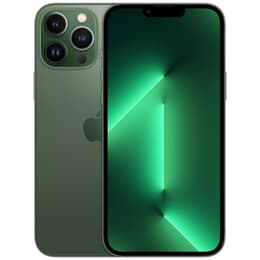
iPhone 13 Pro Max
iPhone 13 Pro Max
Starting at

Refurbished price:£272.00

Versus £1,259.00 new

See options

Ratings

The Samsung Galaxy A36, released in early 2025, and the iPhone 13 Pro Max, launched in late 2021, offer distinct experiences for smartphone users. The Galaxy A36 serves as a modern mid-range contender with the latest Android features, while the iPhone 13 Pro Max continues to be a robust flagship choice within the iOS ecosystem. Choosing between them involves weighing the benefits of a newer, more efficient device against the enduring premium capabilities of an older high-end model.

Both devices remain relevant in 2026 for different types of users. While the Galaxy A36 provides the latest software updates and modern connectivity, the iPhone 13 Pro Max offers a level of build quality and camera sophistication that was designed to lead the market at its launch. This comparison explores how these two smartphones perform in real-world scenarios to help you decide which fits your daily needs.

Scores

Durability

The two phones differ significantly in their release dates and expected software support cycles, which impacts their long-term utility and practical lifespan.

  • Software Longevity: The Galaxy A36 benefits from being a much newer release, typically receiving security updates and operating system refreshes until 2031. In contrast, the iPhone 13 Pro Max is approaching the later stages of its official support window, though it remains highly reliable for several more years of consistent use.
  • Build Resilience: The iPhone 13 Pro Max features a stainless steel frame and a specialised glass front designed for high impact resistance. The Galaxy A36 uses a combination of glass and durable plastics, which makes it lighter and potentially more resistant to shattering upon impact compared to heavier metal-framed devices.
  • Repair Accessibility: Both manufacturers have improved their repair programmes, making it easier for users to replace batteries or screens. The iPhone 13 Pro Max has a vast network of third-party repair options, while the Galaxy A36 is designed with a modular internal layout that simplifies common maintenance tasks.

Year of Release

2025

2021

OS

Android

iOS

Foldable

No

No

Performance

While one is a modern mid-range device and the other an older flagship, both handle daily tasks with ease but cater to different intensity levels.

  • System Responsiveness: The iPhone 13 Pro Max maintains a high level of fluid performance, handling demanding video editing and high-end gaming without noticeable lag. The Galaxy A36 is optimised for efficiency, providing a smooth experience for social media, web browsing, and standard productivity apps without draining the battery quickly.
  • Multitasking Capabilities: With its generous memory allocation, the Galaxy A36 allows users to keep multiple apps open simultaneously for quick switching. The iPhone 13 Pro Max uses its integrated hardware and software synergy to ensure that even with older internals, background tasks do not interrupt the primary user experience.
  • Battery Endurance: Both devices are designed to last through a full day of heavy use. The Galaxy A36 focuses on power efficiency for long-term browsing, while the iPhone 13 Pro Max is known for its consistent power delivery during intensive media consumption.

Memory (GB)

6 GB

6 GB

Screen quality

Display technology has advanced to the point where both devices offer vibrant and smooth visual experiences, though their physical designs differ.

  • Visual Fluidity: Both smartphones feature a 120Hz refresh rate, which ensures that scrolling through menus and playing supported games feels smooth and responsive. This high refresh rate reduces motion blur and makes the interface feel more immediate to the touch.
  • Display Technology: The iPhone 13 Pro Max uses a high-resolution OLED panel that provides deep blacks and high contrast for a cinematic viewing experience. The Galaxy A36 features a Super AMOLED display that is known for its bright, punchy colours and excellent visibility even when used in direct sunlight.
  • Screen Real Estate: The iPhone 13 Pro Max offers a large, expansive viewing area with a traditional notch at the top for sensors. The Galaxy A36 provides a similarly large screen but uses a small circular cutout for the front camera, allowing for a slightly more modern and less interrupted viewing experience.

Resolution

1080 x 2340

1284 x 2778

Audiovisual

Photography and video remains a key differentiator, with the older flagship still holding its own against the newer mid-range model.

  • Camera Versatility: The iPhone 13 Pro Max includes a dedicated telephoto lens, allowing for high-quality zoomed-in photos that the Galaxy A36 typically achieves through digital cropping. This makes the iPhone better suited for capturing distant subjects with clarity.
  • Video Production: Users who record a lot of video will find the iPhone 13 Pro Max offers advanced stabilisation and professional-grade recording formats. The Galaxy A36 provides clear 4K video recording that is more than sufficient for social media and personal memories, focusing on natural skin tones and balanced exposure.
  • Audio Experience: The iPhone 13 Pro Max features a robust stereo speaker system with significant depth, making it ideal for watching films without headphones. The Galaxy A36 provides clear, loud audio through its speakers and maintains excellent microphone clarity for voice calls and video conferencing.

Front camera

12

12 megapixels

Miscellaneous

Practical features like charging ports and biometric security play a significant role in the daily user experience of these two devices.

  • Connectivity and Ports: The Galaxy A36 uses the universal USB-C standard, which is compatible with most modern laptops and accessories. The iPhone 13 Pro Max uses the Lightning port, which may require specific cables but remains widely supported by a vast ecosystem of existing peripherals.
  • Biometric Security: The iPhone 13 Pro Max relies on sophisticated facial recognition technology that works in various lighting conditions. The Galaxy A36 typically employs an under-display fingerprint sensor, offering a familiar and quick way to unlock the device even while wearing a mask or sunglasses.
  • Physical Handling: Due to its stainless steel construction, the iPhone 13 Pro Max is a heavier device that feels substantial in the hand. The Galaxy A36 is noticeably lighter, which may be preferable for users who spend long periods holding their phone for reading or navigation.

Weight

195 g

238 g

Screen size (in)

6,74

6.7

Mobile network

5G

5G

SIM card

Dual Physical SIM + eSIM

Physical SIM + eSIM

Carrier compatibility

Unlocked

Unlocked

Connector

USB-C

Lightning

The consensus among users on community forums highlights the iPhone 13 Pro Max as a reliable workhorse that has aged gracefully, with many praising its exceptional battery life and the premium feel of its materials. However, some users find its weight and the older Lightning port to be minor inconveniences in a modern setup. On the other hand, the Galaxy A36 is frequently noted for its impressive display quality and the peace of mind that comes with a long window of future software updates. Some users observe that while it is efficient, it may not feel as responsive as a flagship when pushed to its absolute limits with professional-grade applications.

Users who prioritise a high-end camera system with optical zoom and a heavy, premium build will likely find the iPhone 13 Pro Max aligns better with their needs. Conversely, those who prefer a lighter device with the latest Android software and the convenience of USB-C charging may lean toward the Galaxy A36. Choosing a quality-assured refurbished option for either of these models is an eco-friendly alternative that helps reduce electronic waste while providing a reliable mobile experience. Ultimately, the decision rests on whether you value the long-term software support of a newer mid-range phone or the high-performance legacy of a former flagship. Both devices offer a dependable experience for modern smartphone tasks in 2026.
See all articles

Our recent comparisons