
Galaxy A34 Vs Sony Xperia 1 IV

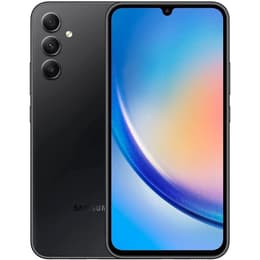
Galaxy A34
Galaxy A34
Starting at

Refurbished price:£105.00

Versus £399.00 new

See options
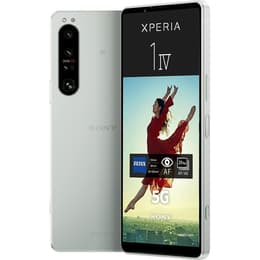
Sony Xperia 1 IV
Sony Xperia 1 IV
Starting at

Refurbished price:£347.00

Versus £1,500.00 new

See options

Ratings

The Samsung Galaxy A34 and the Sony Xperia 1 IV are distinct smartphones, each targeting different user priorities. The Galaxy A34, released in March 2023, is an Android device known for its balanced features, while the Sony Xperia 1 IV, launched in May 2022, is a flagship Android phone emphasizing advanced multimedia capabilities. Their primary differences lie in their display technology, camera systems, and overall performance profiles.

Scores

Durability

When considering the practical lifespan of these devices, several factors come into play, including their release timelines, software support, and physical resilience.

  • Release Timeline: The Samsung Galaxy A34 was released in March 2023, making it a newer device compared to the Sony Xperia 1 IV, which launched in May 2022. This difference in release date can impact the duration of future software support.
  • Software Longevity: The Galaxy A34 launched with Android 13 and is expected to receive four major OS upgrades and five years of security updates, extending its support until 2027. The Xperia 1 IV, starting with Android 12, has received updates up to Android 14. Users report that the Xperia 1 IV may not receive further Android updates, suggesting a shorter software support window compared to the A34.
  • Physical Durability: Both devices offer dust and water resistance, with the Galaxy A34 featuring an IP67 rating and Gorilla Glass 5 on the front. The Xperia 1 IV boasts an IP65/IP68 rating and Gorilla Glass Victus on both the front and back, offering a higher level of protection against drops and scratches.
  • Repairability: The Galaxy A34 has a repairability score of 8.0 to 8.3 out of 10, indicating it is relatively easy to disassemble and reassemble, with accessible components like the battery. The Xperia 1 IV has a lower repairability score of 5.5 out of 10, suggesting a more challenging repair process due to factors like adhesive use for the battery.

Year of Release

2023

2022

Compatible with latest Update

Yes

No

OS

Android

Android

Foldable

No

No

Performance

The performance of a smartphone is crucial for daily tasks, from app usage to demanding multimedia applications. These two devices offer different levels of processing power and battery management.

  • Processing Capabilities: The Sony Xperia 1 IV is equipped with a high-end current-generation processor, enabling it to handle demanding applications and multitasking smoothly. The Samsung Galaxy A34 features a capable mid-range processor, which provides good performance for everyday use and moderate gaming.
  • Multitasking and Responsiveness: The Xperia 1 IV typically comes with 12GB of RAM, contributing to a very responsive user experience even with multiple applications open. The Galaxy A34 offers 6GB or 8GB of RAM, which is sufficient for smooth multitasking in most scenarios.
  • Battery Behavior: Both phones house a 5000 mAh battery. The Galaxy A34 is frequently praised by users for its excellent battery life, often lasting a full day or more with typical usage. The Xperia 1 IV, despite its large battery, has been noted by some users to have faster battery drain, particularly during intensive tasks like camera use or gaming, and some reports mention overheating issues that can impact battery performance.
  • Storage Options: Both devices offer flexible storage solutions. The Galaxy A34 is available with 128GB or 256GB of internal storage, expandable via a microSD card up to 1TB. The Xperia 1 IV comes with 256GB or 512GB of internal storage, also expandable via microSD up to 1TB.

Memory (GB)

6 GB

12 GB

Screen quality

The visual experience is a key differentiator, with both devices offering vibrant displays but with distinct characteristics.

  • Display Technology and Resolution: The Sony Xperia 1 IV features a 6.5-inch 4K HDR OLED display with a resolution of 3840x1644 pixels, resulting in a very high pixel density. The Samsung Galaxy A34 sports a 6.6-inch Super AMOLED display with a resolution of 2400x1080 pixels (FHD+). While the Xperia offers a sharper display, the A34's Super AMOLED panel still delivers clear and vibrant visuals.
  • Refresh Rate and Smoothness: Both smartphones feature a 120Hz refresh rate, providing smooth scrolling and fluid animations, enhancing the user experience during navigation and gaming.
  • Brightness and Outdoor Visibility: The Galaxy A34's Super AMOLED display can reach up to 1000 nits of peak brightness, ensuring good visibility even in bright outdoor conditions. The Xperia 1 IV's OLED display is also noted for its brightness, being 50% brighter than its predecessor, making it usable in sunny environments, though some users report it might not be as bright as some competitors.
  • Aspect Ratio and Viewing Experience: The Xperia 1 IV features a unique 21:9 CinemaWide aspect ratio, which is well-suited for watching movies and cinematic content without black bars. The Galaxy A34 has a more conventional 19.5:9 aspect ratio.

Resolution

1080 x 2340

1644 x 3840

Screen type

Super AMOLED

OLED

Audiovisual

The camera systems on these phones cater to different photographic approaches, with one focusing on advanced manual controls and the other on reliable everyday performance.

  • Rear Camera System: The Sony Xperia 1 IV features a versatile triple 12MP camera setup, including a main lens with optical image stabilization (OIS), an ultrawide lens, and a unique continuous optical telephoto lens capable of zooming between 85mm and 125mm. The Samsung Galaxy A34 offers a triple camera system with a 48MP main sensor (OIS), an 8MP ultrawide, and a 5MP macro lens.
  • Photography Performance: The Xperia 1 IV is designed for photography enthusiasts, offering extensive manual controls and features like Real-time Eye AF and object tracking, drawing from Sony's Alpha camera technology. It aims for a natural color science. The Galaxy A34 provides good photo and video quality for its segment, with features like Auto Night mode and OIS for stable shots, making it suitable for general users.
  • Video Recording Capabilities: The Xperia 1 IV stands out with its ability to record 4K video at 120 frames per second (fps) across all three rear cameras, along with advanced video features through its Cinematography Pro app. The Galaxy A34 supports 4K video recording at 30fps for both its rear and front cameras.
  • Front Camera and Audio: The Xperia 1 IV has a 12MP front camera capable of 4K video recording. The Galaxy A34 features a 13MP front camera. For audio, the Xperia 1 IV includes front-firing dual stereo speakers and a 3.5mm headphone jack, supporting high-resolution audio. The Galaxy A34 also has stereo speakers.

Main camera

48 megapixels

12 megapixels

Front camera

13 megapixels

12 megapixels

Miscellaneous

Beyond core specifications, practical features and design elements contribute to the overall user experience.

  • Connectivity and Ports: Both devices support 5G connectivity. The Xperia 1 IV includes Wi-Fi 6 and Bluetooth 5.2, along with a 3.5mm headphone jack and a USB-C port. The Galaxy A34 supports Wi-Fi 5 and Bluetooth 5.3, featuring a USB-C port but no headphone jack.
  • Biometrics and Sensors: The Xperia 1 IV uses a side-mounted fingerprint sensor, though some users have reported issues with its reliability over time. The Galaxy A34 also features a fingerprint sensor, typically under the display. Both include standard sensors like accelerometers, gyroscopes, and proximity sensors.
  • Design and Build Materials: The Xperia 1 IV has a more premium build with Gorilla Glass Victus on both the front and back, and an aluminum frame, giving it a sleek, boxy design. It weighs 185g. The Galaxy A34 features a Gorilla Glass 5 front, with a plastic frame and back, weighing 199g. Its design is more modern than its predecessor, with individual camera cutouts.
  • Dimensions and Handling: The Xperia 1 IV is taller and narrower (165 x 71 x 8.2 mm) with a 21:9 aspect ratio, which some users find comfortable for one-handed use despite its height. The Galaxy A34 is slightly shorter and wider (161.3 x 78.1 x 8.2 mm), offering a larger screen area in a more traditional form factor.

Weight

199 g

185 g

Screen size (in)

6.6

6,5

Mobile network

5G

5G

SIM card

Dual Physical SIM

Physical SIM + eSIM

Carrier compatibility

Unlocked

Unlocked

Connector

USB-C

USB-C + Jack 3.5mm

The Samsung Galaxy A34 and Sony Xperia 1 IV cater to different user needs and preferences, each excelling in specific areas. User feedback for the Galaxy A34 frequently highlights its excellent battery life, vibrant Super AMOLED display with a 120Hz refresh rate, and solid performance for everyday tasks. Common criticisms are less frequent but some users mention thick bezels and potential heating during intense gaming. The camera system is generally considered good for its price point, though zoom quality can be limited.

For the Sony Xperia 1 IV, users often praise its exceptional 4K OLED display, immersive front-firing stereo speakers, and the advanced manual controls offered by its camera system, particularly the unique continuous optical zoom lens. However, frequent concerns revolve around its tendency to overheat during heavy camera use or gaming, which can also impact battery performance. Some users have also reported issues with the fingerprint sensor and slower software updates compared to other Android devices.

Users prioritizing extended software support, robust battery life for general use, and a highly repairable device for a balanced everyday experience may find the Samsung Galaxy A34 well-suited to their needs. Its IP67 rating and Gorilla Glass 5 provide good practical durability. Conversely, users who prioritize a high-resolution cinematic display, advanced manual camera controls for creative photography and videography, and a premium build with superior water and dust resistance (IP65/IP68 and Gorilla Glass Victus) may lean toward the Sony Xperia 1 IV. Its 3.5mm headphone jack is also a notable feature for audiophiles. Both devices are available as quality-assured refurbished options, providing an eco-friendly alternative for consumers.
See all articles

Our recent comparisons