
Compare models

Galaxy A16 5G Vs Google Pixel 10

  • 1-year minimum warranty
  • Free delivery on all items
  • Free 30-day returns
Galaxy A16 5G
Starting at

Refurbished price:£162.00

Versus £205.87 new

See options
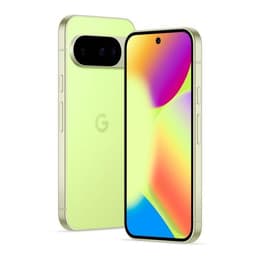
Google Pixel 10
Starting at

Refurbished price:£394.00

Versus £1,196.66 new

See options

Differences at a glance

The Samsung Galaxy A16 5G (2024) and the Google Pixel 10 (2025) are modern Android smartphones designed to cater to different user priorities, balancing accessibility with advanced everyday functionality. While the Galaxy A16 5G focuses on delivering core connectivity and long-term reliability in an approachable package, the Google Pixel 10 offers a more advanced flagship feature set and refined processing capabilities. Both devices run on the Android operating system, though they present distinct interface experiences through their respective software ecosystems. Understanding how their core specifications and practical capabilities differ helps determine which device fits specific daily requirements.

Available Models

Colour

Storage (GB)

Scores

Durability

When evaluating the long-term viability and physical durability of these two devices, several factors regarding build quality and software support come into play:

  • Software Support Duration: The Galaxy A16 5G provides an extended software update commitment spanning multiple years, while the Google Pixel 10 offers a flagship-tier support window of up to seven major OS updates, ensuring prolonged feature readiness.
  • Repairability and Build: Both models feature solid everyday construction with standard water and dust resistance ratings, though individual repair accessibility varies by regional service availability.
  • Expected Lifespan: Both devices are engineered to handle routine daily tasks smoothly over several years, with software longevity keeping them secure and functional throughout their lifecycle.

Year of Release

2024

2025

Compatible with latest Update

Yes

Yes

OS

Android

Android

Foldable

No

No

Performance

Daily speed, multitasking capability, and battery endurance vary significantly based on internal hardware allocations and software optimization:

  • Multitasking and Responsiveness: The Google Pixel 10 handles demanding applications, complex gaming, and intensive background processing smoothly with its higher RAM allocation and advanced custom processor, whereas the Galaxy A16 5G manages standard everyday tasks, web browsing, and casual apps reliably.
  • Storage Options: The Galaxy A16 5G includes expandable storage via a memory card slot for flexible file management, while the Google Pixel 10 relies entirely on fixed internal storage configurations.
  • Battery Behavior: Both models pack large capacity batteries designed to comfortably last through a standard day of moderate usage under normal network conditions.

Screen quality

Visual output and display responsiveness differ noticeably in terms of panel technology, refresh rates, and outdoor legibility:

  • Display Technology: The Galaxy A16 5G features a vibrant Super AMOLED screen with deep contrast, while the Google Pixel 10 utilizes a responsive OLED panel with a faster refresh rate for smoother scrolling and animations.
  • Brightness and Clarity: Both devices offer clear Full HD+ resolution panels that remain easily legible under typical indoor lighting conditions, with peak brightness adjustments aiding outdoor visibility.
  • Screen Size: The Galaxy A16 5G provides a slightly larger viewing area for media consumption, whereas the Pixel 10 offers a more compact footprint that balances screen estate with one-handed usability.

Resolution

1080 x 2340

1080x2424

Screen type

Super AMOLED

OLED

Audiovisual

Photography and media recording capabilities reflect distinct hardware and software processing approaches between the two manufacturers:

  • Camera Systems: The Google Pixel 10 features an advanced multi-lens rear setup paired with sophisticated computational photography software for detailed low-light shots, while the Galaxy A16 5G equips a reliable primary and ultra-wide sensor configuration for everyday snapshots.
  • Video and Audio: The Pixel 10 supports high-definition video recording with advanced stabilization features, alongside clear microphone arrays for calls, whereas the Galaxy A16 5G delivers dependable standard audio and video capture for casual sharing.
  • Media Consumption: Both models offer stereo speaker configurations suitable for watching videos, listening to podcasts, and casual media streaming.

Front camera

13 megapixels

42 megapixels

Miscellaneous

Practical physical traits, connectivity options, and daily usability features round out the overall user experience:

  • Connectivity: Both smartphones support fast 5G cellular networks, modern Wi-Fi standards, and Bluetooth for accessory pairing, alongside NFC functionality for contactless transactions.
  • Authentication and Ports: Each device utilizes a secure biometric unlock method via integrated fingerprint sensors and connects using standard reversible USB Type-C ports.
  • Physical Dimensions: The Galaxy A16 5G maintains a relatively thin profile despite its large battery, while the Google Pixel 10 offers a slightly denser, compact build designed for ergonomic handling.

Weight

200 g

204 g

Screen size (in)

6.7

6.3

Mobile network

5G

4G

SIM card

Dual Physical SIM

Physical SIM + eSIM

Carrier compatibility

Unlocked

Unlocked

Connector

USB-C

USB-C

What the community thinks

User feedback across online communities highlights distinct preferences for each device based on everyday use cases. Owners of the Galaxy A16 5G frequently praise its dependable battery longevity, expandable storage flexibility, and reliable daily performance for basic tasks. On the other hand, Pixel 10 users frequently highlight the superior camera performance, fluid screen refresh rates, and smooth integration of advanced software features as standout benefits. Some users note that the Pixel 10 can feel slightly heavy during extended one-handed use, while budget-focused users occasionally mention that the Galaxy A16 5G's processing power is best suited for lighter applications rather than heavy gaming.

Users prioritizing photography, fluid display responsiveness, and advanced system features may prefer the Google Pixel 10. Meanwhile, users prioritizing media storage expansion, a larger display canvas, and straightforward daily utility will find the Galaxy A16 5G well-suited to their needs. For those looking to make a sustainable choice, exploring a quality-assured refurbished option provides an eco-friendly alternative that extends the lifecycle of these electronics without compromising on performance.