
iPhone 11 Pro Max Vs iPhone 14 Plus

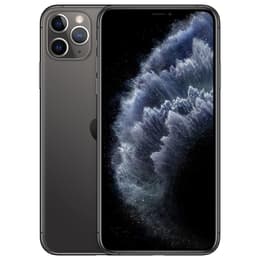
iPhone 11 Pro Max
iPhone 11 Pro Max
Starting at

£191.00

£749.00 new

See options
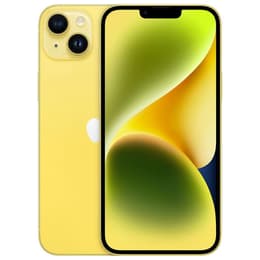
iPhone 14 Plus
iPhone 14 Plus
Starting at

£247.00

£699.00 new

See options

Ratings

The iPhone 11 Pro Max, released in September 2019, and the iPhone 14 Plus, launched in October 2022, represent different generations of Apple's large-screen smartphone offerings. While both devices provide expansive displays and a familiar iOS experience, the iPhone 14 Plus introduces advancements in processing power, camera capabilities, and durability features, reflecting three years of technological evolution.

Scores

Durability

When considering the practical lifespan of these devices, several factors come into play, including software support, physical resilience, and component longevity.

  • Software Longevity: The iPhone 14 Plus, being a newer model, is expected to receive major iOS updates for a longer period than the iPhone 11 Pro Max. The iPhone 11 Pro Max, released in 2019, is nearing the end of its major iOS update cycle, likely receiving updates until iOS 18 or 19. The iPhone 14 Plus, released in 2022, will benefit from several more years of software support, extending its functional life.
  • Physical Durability: The iPhone 14 Plus features a Ceramic Shield front cover, which offers enhanced drop performance compared to the glass on the iPhone 11 Pro Max. Both devices carry an IP68 rating for water and dust resistance, though the iPhone 14 Plus is rated for a maximum depth of 6 meters for up to 30 minutes, while the iPhone 11 Pro Max is rated for 4 meters for the same duration.
  • Expected Practical Lifespan: While the iPhone 11 Pro Max was noted for its robust build at launch, users have reported that its glass can show scratches over time without protection. The iPhone 14 Plus, with its newer materials and design, offers a slightly more resilient build. For users prioritizing the longest possible software and hardware support, the iPhone 14 Plus presents a longer expected practical lifespan.

Year of Release

2019

2022

Compatible with latest Update

Yes

Yes

OS

iOS

iOS

Foldable

No

No

Performance

Performance is a key differentiator, with the newer iPhone 14 Plus benefiting from a more advanced internal architecture compared to the iPhone 11 Pro Max.

  • Processing Power: The iPhone 14 Plus is equipped with a more recent processor, which translates to faster app loading times, smoother multitasking, and more efficient handling of demanding applications and games. The iPhone 11 Pro Max, while still capable for everyday tasks, will show its age when running the most intensive software or managing numerous background processes.
  • Multitasking and Responsiveness: The iPhone 14 Plus includes more RAM, contributing to improved multitasking capabilities and overall system responsiveness. This allows for quicker switching between apps and better retention of app states in memory, leading to a more fluid user experience.
  • Battery Behavior: The iPhone 14 Plus generally offers extended battery life, with users reporting it can easily last a full day, and some even suggesting up to two days of use under moderate conditions. This is attributed to its larger battery capacity and the efficiency of its processor. The iPhone 11 Pro Max also offered strong battery performance at its release, with many users finding it capable of lasting a full day, but the 14 Plus generally surpasses it in endurance.

Memory

4 GB

6 GB

Screen quality

Both devices feature high-quality OLED displays, but the iPhone 14 Plus offers a slightly larger viewing area and comparable brightness levels.

  • Display Technology and Size: Both the iPhone 11 Pro Max and iPhone 14 Plus feature Super Retina XDR OLED displays, providing deep blacks, high contrast, and vibrant colors. The iPhone 14 Plus has a 6.7-inch display, offering a slightly larger screen than the iPhone 11 Pro Max's 6.5-inch display.
  • Resolution and Clarity: Both phones offer similar pixel densities, resulting in sharp and clear visuals for text, images, and videos. The iPhone 11 Pro Max has a resolution of 2688 x 1242 pixels at 458 ppi, while the iPhone 14 Plus has a resolution of 2778 x 1284 pixels at 458 ppi.
  • Brightness and Refresh Rate: Both models achieve a typical maximum brightness of 800 nits and a peak HDR brightness of 1200 nits, ensuring good visibility in various lighting conditions. Neither device features a high refresh rate display, operating at a standard 60Hz.

Resolution

1242 x 2688

1284 x 2778

Screen type

Super Retina XDR OLED

Super Retina XDR OLED

Audiovisual

The camera systems on both iPhones are capable, but the iPhone 14 Plus incorporates newer computational photography features and an improved main sensor.

  • Rear Camera System: The iPhone 11 Pro Max features a triple 12MP camera system (wide, ultra-wide, and telephoto), offering 2x optical zoom in and out. The iPhone 14 Plus has a dual 12MP camera system (wide and ultra-wide), lacking a dedicated telephoto lens. However, the 14 Plus benefits from a larger main sensor and improved low-light performance through features like the Photonic Engine.
  • Photography Performance: The iPhone 11 Pro Max introduced Night mode and Deep Fusion, significantly improving low-light and detail capture. The iPhone 14 Plus builds on this with the Photonic Engine, which enhances image quality in mid-to-low light by applying Deep Fusion earlier in the imaging process.
  • Video Capabilities: Both devices record 4K video at up to 60 frames per second. The iPhone 14 Plus introduces Cinematic mode for a shallow depth of field effect in videos and Action mode for smoother, stabilized footage, features not present on the iPhone 11 Pro Max.

Main camera

12 megapixels

12 megapixels

Front camera

12 megapixels

12 megapixels

Miscellaneous

Beyond core features, several practical elements distinguish these two iPhone models, impacting daily usability and connectivity.

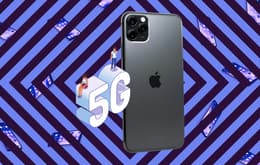
  • Connectivity: A significant difference is the iPhone 14 Plus's support for 5G cellular networks, offering faster download and upload speeds in supported areas, which the iPhone 11 Pro Max lacks, being limited to 4G LTE. Both support Wi-Fi 6 and Bluetooth 5.0 (11 Pro Max) or 5.3 (14 Plus).
  • Ports and Sensors: Both devices utilize the Lightning port for charging and data transfer. They both include Face ID for secure authentication, a barometer, gyroscope, accelerometer, proximity sensor, and ambient light sensors.
  • Design and Handling: The iPhone 14 Plus is slightly larger with a 6.7-inch display but is notably lighter at 203 grams compared to the iPhone 11 Pro Max's 226 grams. This difference in weight can make the 14 Plus feel more comfortable for extended use, despite its larger screen. The 14 Plus also features a flat-edge design, while the 11 Pro Max has rounded edges.

Weight

226 g

203 g

Screen size (in)

6.5

6.7

Network

4G

5G

SIM card

Physical SIM + eSIM

Physical SIM + eSIM

Carrier compatibility

Unlocked

Unlocked

Connector

Lightning

Lightning

The iPhone 11 Pro Max and iPhone 14 Plus cater to users seeking a large-screen iPhone experience, but they offer different strengths based on their respective release years.

Users often praise the iPhone 11 Pro Max for its robust build and excellent battery life, which was considered class-leading at its launch. Its triple-camera system, including a telephoto lens, is also a frequent highlight for those who enjoy photographic versatility. However, some users note its weight and the eventual end of major software updates as potential drawbacks.

The iPhone 14 Plus is frequently lauded for its exceptional battery life, often cited as one of the best in an iPhone, and its lighter design compared to other large iPhone models. Its larger display and improved main camera with advanced computational photography are also well-received. Criticisms sometimes point to the lack of a high refresh rate display and the absence of a telephoto lens, features found in Pro models.

Users prioritizing the latest software support, 5G connectivity, and enhanced durability with a lighter build will find the iPhone 14 Plus well-suited to their needs. Its improved main camera and video features also make it a strong contender for everyday photography and casual videography. Conversely, those who value a dedicated telephoto lens and a slightly more compact large-screen device, and are comfortable with an older software update cycle, might still appreciate the iPhone 11 Pro Max. Both devices, especially when considering a quality-assured refurbished option, offer a sustainable choice for consumers.
See all articles

Our recent comparisons