
Samsung
Compare models
Differences at a glance
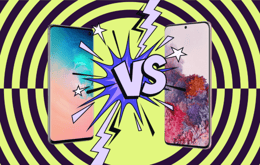
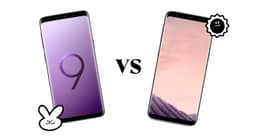
The Samsung Galaxy S9 (released in March 2018) and the Samsung Galaxy S10 (released in March 2019) represent two consecutive generations of Samsung's flagship smartphone line. While both devices offer a premium Android experience, the Galaxy S10 introduced several notable advancements, particularly in its camera system and display technology. Both run on the Android operating system, providing a familiar user interface and access to a vast ecosystem of applications.
Colour
Storage (GB)
When considering the practical lifespan of these devices, their release timelines and software support are key factors. The Galaxy S9, launched in March 2018, received major Android OS updates up to Android 10 and its security updates concluded around April 2022. The Galaxy S10, released a year later in March 2019, benefited from a longer support window, receiving Android OS updates up to Android 12, with security updates ending around March 2024.
Year of Release
Compatible with latest Update
OS
Foldable
The performance of both the Galaxy S9 and Galaxy S10 is designed to handle daily smartphone tasks efficiently, though the newer model offers a more refined experience. Both devices are equipped with capable processors for their respective generations, ensuring smooth operation for most users.
Both the Galaxy S9 and Galaxy S10 feature high-quality displays that deliver vibrant visuals, a hallmark of Samsung's smartphone offerings. However, the Galaxy S10 introduced advancements in display technology.
Resolution
Screen type
The camera systems are a significant point of differentiation between these two generations, with the Galaxy S10 introducing a more versatile setup.
Main camera
Front camera
Beyond the core specifications, several other practical elements contribute to the overall user experience of the Galaxy S9 and Galaxy S10.
Weight
Width
Height
Depth
Screen size (in)
Mobile network
SIM card
Carrier compatibility
Connector
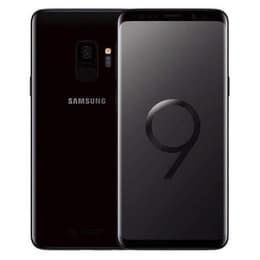
User sentiment for both the Galaxy S9 and S10 generally highlights their strengths as capable Android smartphones. The Galaxy S9 is often praised for its innovative variable aperture camera, which delivered impressive low-light performance for its time, and its continued inclusion of a headphone jack. Some users, however, noted that its battery life could be inconsistent for heavy usage.
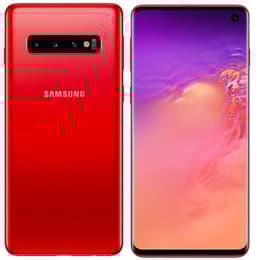
The Galaxy S10, on the other hand, received acclaim for its more expansive and vibrant Dynamic AMOLED display, its versatile triple-lens camera system, particularly the addition of the ultra-wide lens, and its generally improved battery performance. The in-display fingerprint sensor was a new feature that garnered attention, though some users found it less consistent than traditional physical sensors.
For users prioritizing a more advanced and versatile camera system, a slightly larger and brighter display, and a more modern design with an in-display fingerprint sensor, the Galaxy S10 would likely be the preferred choice. Its extended software support also offers a longer period of up-to-date features and security. Conversely, individuals who value the traditional physical fingerprint sensor, or who find the S9's camera capabilities sufficient for their needs, may find it to be a suitable option. Both devices, especially as quality-assured refurbished options, present an eco-friendly alternative for those seeking premium smartphone experiences without purchasing new.