
iPhone 13 Pro Max Vs OnePlus 10 Pro

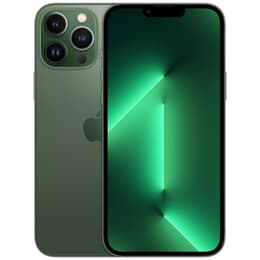
iPhone 13 Pro Max
iPhone 13 Pro Max
Starting at

Refurbished price:£272.00

Versus £1,259.00 new

See options
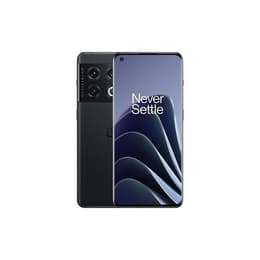
OnePlus 10 Pro
OnePlus 10 Pro
Starting at

Refurbished price:£391.00

Versus £769.39 new

See options

Ratings

The iPhone 13 Pro Max (2021) and the OnePlus 10 Pro (2022) represent two distinct philosophies in the flagship smartphone market. While the iPhone focuses on a deeply integrated software experience and long-term reliability, the OnePlus prioritises hardware flexibility and rapid charging capabilities. Operating on iOS and Android respectively, these devices cater to different user habits and ecosystem preferences. Choosing between them involves weighing the benefits of a consistent, long-supported platform against a more customisable and fast-charging alternative.

Scores

Durability

Both devices are built with high-quality materials, but their long-term outlook differs significantly in terms of software support and physical resilience.

  • Software Longevity: The iPhone 13 Pro Max continues to receive the latest iOS updates in 2026, with expectations for support to continue for several more years. In contrast, the OnePlus 10 Pro has reached its final major Android update with the release of Android 16, meaning its period of receiving new features is drawing to a close.
  • Build Quality: The iPhone features a stainless steel frame and Ceramic Shield glass, which provides a substantial feel and high resistance to drops. The OnePlus uses a lighter aluminium frame and Gorilla Glass Victus, offering a sturdy build that is easier to handle for long periods.
  • Repairability: While both phones are complex, the OnePlus is often noted for a slightly more straightforward internal layout for battery replacements, whereas the iPhone’s design prioritises structural rigidity and water resistance.

Year of Release

2021

2022

Compatible with latest Update

Yes

Yes

OS

iOS

Android

Foldable

No

No

Performance

In daily use, both smartphones remain highly responsive, though they handle power management and multitasking with different priorities.

  • System Responsiveness: The iPhone provides a fluid experience where animations feel consistently smooth, even when the system is under heavy load. The OnePlus offers a snappy feel, with high-speed memory that allows for quick switching between numerous open applications without them closing in the background.
  • Battery and Charging: The iPhone is widely recognised for its exceptional battery endurance, often lasting through two days of light use. The OnePlus counters this with incredibly fast charging technology, capable of replenishing the battery from empty to nearly full in approximately half an hour.
  • Storage and Multitasking: Both devices offer generous storage options for photos and apps, ranging from 128GB up to higher capacities for power users. The OnePlus includes more system memory for multitasking, while the iPhone’s software is highly efficient at managing resources to maintain speed over time.

Memory (GB)

6 GB

8 GB

Screen quality

Both handsets feature expansive 6.7-inch displays that utilise advanced panel technology to deliver smooth visuals and vibrant colours.

  • Display Technology: The iPhone uses an OLED panel with a dynamic refresh rate that adjusts based on the content to save power. The OnePlus employs a similar technology that can scale down even further to save energy when the screen is static, while still providing fluid 120Hz scrolling.
  • Clarity and Brightness: The OnePlus offers a higher screen resolution, providing extra sharpness for reading fine text or viewing high-definition photos. However, the iPhone reaches higher peak brightness levels, which makes the screen significantly easier to view when used outdoors in direct sunlight.
  • Viewing Experience: The iPhone includes a traditional notch at the top for its facial recognition sensors, while the OnePlus uses a small circular cutout for the front camera, offering a slightly more uninterrupted view for watching videos or playing games.

Resolution

1284 x 2778

1440 x 3216

Screen type

Super Retina XDR OLED

LTPO2 Fluid AMOLED

Audiovisual

The camera systems on these devices take different approaches to image processing, resulting in distinct visual styles for photos and videos.

  • Photography Style: The iPhone is known for its reliable and natural image processing, producing consistent results across its three lenses. The OnePlus, developed in partnership with Hasselblad, focuses on a specific colour science that gives photos a more artistic and punchy look, particularly in portrait shots.
  • Video Capabilities: For those who record a lot of video, the iPhone offers highly stable footage and professional recording formats that are easy to edit. The OnePlus provides high-resolution video options and manual controls that allow users to fine-tune their settings for specific lighting conditions.
  • Audio Output: Both phones feature stereo speakers that provide a clear and loud media experience. The iPhone’s microphones are particularly effective at isolating voices during calls in noisy environments, while the OnePlus offers a balanced soundstage for music without headphones.

Main camera

12 megapixels

48 megapixels

Front camera

12 megapixels

32 megapixels

Miscellaneous

Practical daily features like security sensors and physical dimensions play a large role in how these devices feel in regular use.

  • Security and Biometrics: The iPhone relies on a sophisticated facial recognition system that works in almost any lighting condition. The OnePlus features an in-display fingerprint sensor that is remarkably fast and convenient for users who prefer to unlock their phone with a touch.
  • Connectivity and Ports: Both devices support 5G and high-speed Wi-Fi for fast browsing. The OnePlus uses the universal USB-C standard, while the iPhone uses the proprietary Lightning port, which requires specific cables but supports a wide range of dedicated audio peripherals.
  • Handling and Weight: The iPhone 13 Pro Max is one of the heavier devices in its class due to its steel construction, which some users find reassuringly solid. The OnePlus is noticeably lighter and features curved edges, making it feel more comfortable and manageable for one-handed use.

Weight

238 g

201 g

Screen size (in)

6.7

6.7

Mobile network

5G

5G

SIM card

Physical SIM + eSIM

Physical SIM

Carrier compatibility

Unlocked

Unlocked

Connector

Lightning

USB-C

User feedback from various forums indicates that the iPhone 13 Pro Max is highly praised for its marathon battery life and the reliability of its video recording. Common criticisms often focus on its significant weight and the slower charging speeds compared to modern standards. On the other hand, OnePlus 10 Pro users frequently highlight the convenience of its rapid charging and the high quality of its display, though some have noted that software updates can occasionally be less consistent than those on the iOS platform.

For users who prioritise long-term software support, a consistent camera experience, and a device that can easily last a full day of heavy use, the iPhone 13 Pro Max remains a strong choice. Those who value a lighter design, the flexibility of the Android operating system, and the ability to charge their phone in minutes rather than hours may find the OnePlus 10 Pro better suited to their needs. Both devices are excellent candidates for those looking for a quality-assured refurbished option, which serves as a sustainable choice for accessing high-end technology.

Choosing a refurbished model is an eco-friendly alternative that extends the life of these capable smartphones while providing a reliable user experience. Ultimately, the decision depends on whether you prefer the integrated simplicity of the Apple ecosystem or the fast-charging, customisable nature of the OnePlus hardware.
See all articles

Our recent comparisons