Compare models
iPhone 12 mini Vs iPhone 15 Pro Max
- 1-year minimum warranty
- Free delivery on all items
- Free 30-day returns
Differences at a glance
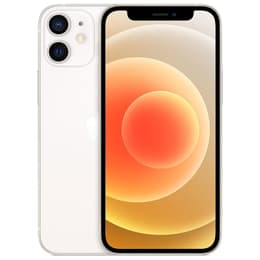
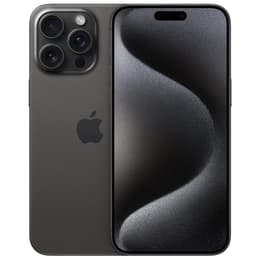
The iPhone 12 Mini (2020) and the iPhone 15 Pro Max (2023) represent two distinct philosophies within the smartphone market. While the 12 Mini was designed for users who value portability and easy one-handed operation, the 15 Pro Max is a large-format device built for high-end photography and intensive tasks. Both devices run the iOS operating system, though the 15 Pro Max benefits from several years of hardware advancements and a more modern interface that integrates software notifications directly into the screen design. Choosing between them involves weighing the convenience of a compact frame against the capabilities of a professional-grade tool.
Available Models
Colour
Storage (GB)
Scores
Durability
These devices sit three generations apart, which significantly impacts their expected software longevity and physical resilience in the long term.
- Software Support: The iPhone 12 Mini, released in 2020, is closer to the end of its official update cycle, whereas the iPhone 15 Pro Max is expected to receive the latest features and security patches for several more years.
- Build Materials: The 15 Pro Max utilises a titanium frame and a more repair-friendly internal structure, while the 12 Mini uses a traditional aluminium and glass design that is lightweight but offers different structural characteristics.
- Longevity: Users looking for a sustainable choice may find that a quality-assured refurbished option of either model extends the device's useful life while reducing environmental impact.
Year of Release
2020
2023
Compatible with latest Update
Yes
Yes
OS
iOS
iOS
Foldable
No
No
Performance
The gap in release dates results in a noticeable difference in how these phones handle demanding applications and daily multitasking.
- Battery Endurance: The 12 Mini features a smaller battery designed for light to moderate daily use, while the 15 Pro Max has a significantly larger capacity that easily supports heavy usage throughout a full day and beyond.
- System Responsiveness: While the 12 Mini remains capable for standard apps, the 15 Pro Max handles high-end gaming and professional video editing with greater ease and less heat generation.
- Storage Capacity: The 15 Pro Max offers much higher maximum storage tiers, catering to users who store large libraries of high-resolution media locally.
Screen quality
The viewing experience differs drastically due to the physical size and the evolution of display technology between 2020 and 2023.
- Display Fluidity: The 15 Pro Max features a high refresh rate that makes scrolling and animations appear much smoother compared to the standard rate found on the 12 Mini.
- Outdoor Visibility: The newer model achieves much higher brightness levels, making the screen significantly easier to read under direct sunlight.
- Screen Real Estate: The 6.7-inch display of the 15 Pro Max provides an expansive canvas for movies and productivity, whereas the 5.4-inch 12 Mini prioritises reachability and pocket-friendliness.
Resolution
1080 x 2340
1290 x 2796
Screen type
Super Retina XDR OLED
LTPO Super Retina XDR OLED
Audiovisual
Photography and video capabilities have seen substantial upgrades, particularly in zoom range and low-light processing.
- Zoom Capabilities: The 15 Pro Max includes a dedicated telephoto lens for high-quality close-ups from a distance, a feature entirely absent on the dual-camera 12 Mini.
- Image Detail: With a much higher resolution main sensor, the 15 Pro Max captures finer details and performs better in challenging lighting conditions than the older model.
- Video Features: Professional users will appreciate the advanced video recording formats and stabilisation on the 15 Pro Max, while the 12 Mini provides reliable, high-quality 4K video for casual memories.
Main camera
12 megapixels
48 megapixels
Front camera
12 megapixels
12 megapixels
Miscellaneous
Practical hardware changes, including the transition of port standards and the introduction of new physical controls, define the user experience.
- Connectivity and Ports: The 15 Pro Max adopts the universal USB-C standard for charging and data transfer, whereas the 12 Mini uses the proprietary Lightning port.
- Physical Handling: There is a significant weight difference; the 12 Mini is one of the lightest modern smartphones at 135 grams, making it effortless to hold, while the 15 Pro Max is a substantial device at 221 grams.
- Biometrics and Controls: Both use facial recognition for security, but the 15 Pro Max introduces a customisable button for quick access to specific functions like the torch or camera.
Weight
135 g
221 g
Screen size (in)
5.4
6.7
Mobile network
5G
5G
SIM card
Physical SIM + eSIM
Physical SIM + eSIM
Carrier compatibility
Unlocked
Unlocked
Connector
Lightning
USB-C (USB 3)
What the community thinks
User feedback highlights a clear divide in preference based on physical needs. Owners of the iPhone 12 Mini frequently praise its "disappearing" feel in a pocket and the ease of typing with one hand, though many note that the battery requires careful management for a full day of use. Conversely, iPhone 15 Pro Max users often highlight the exceptional battery life and the versatility of the 5x zoom lens, while some find the sheer size and weight a trade-off for that power.
Choosing between these two depends entirely on your lifestyle. Users prioritising portability, simplicity, and a device that stays out of the way will find the 12 Mini well-suited to their needs. Those who use their phone as a primary media device, a professional camera, or a gaming platform will likely lean toward the 15 Pro Max. For those seeking a more eco-friendly alternative, choosing a quality-assured refurbished version of either model is a practical way to access these technologies sustainably. Ultimately, the decision rests on whether you value a compact, efficient tool or a large, feature-rich powerhouse.