
Google Pixel 8a Vs iPhone 13 Pro Max

Google Pixel 8a
Google Pixel 8a
Starting at

Refurbished price:£214.00

Versus £467.97 new

See options
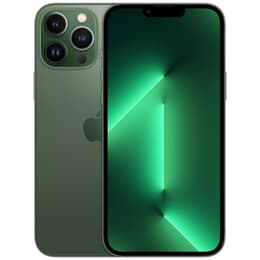
iPhone 13 Pro Max
iPhone 13 Pro Max
Starting at

Refurbished price:£272.00

Versus £1,259.00 new

See options

Ratings

The Google Pixel 8a, released in 2024, and the iPhone 13 Pro Max, launched in 2021, represent two different approaches to the modern smartphone experience. While the Pixel 8a is a contemporary mid-range device focusing on compact utility and the latest software features, the iPhone 13 Pro Max remains a large-format flagship known for its substantial build and expansive display. Both run their respective latest operating systems—Android 14 and iOS 17—offering distinct user interfaces and ecosystem integrations for different types of mobile users.

Scores

Durability

The age gap between these two devices significantly impacts their expected software longevity and physical maintenance requirements over time.

  • Software Support: The Pixel 8a arrives with a commitment to seven years of operating system and security updates, potentially keeping the device current until 2031. In contrast, the iPhone 13 Pro Max, while receiving consistent updates from Apple, is already several years into its lifecycle, meaning its remaining support window is naturally shorter.
  • Physical Resilience: The iPhone 13 Pro Max features a stainless steel frame and heavy glass construction, providing a dense, sturdy feel, whereas the Pixel 8a uses a matte composite back and aluminum frame that is lighter and less prone to shattering upon impact.
  • Repairability: Recent design shifts mean the Pixel 8a is built with easier access to common replacement parts like the battery and screen. The iPhone 13 Pro Max has a more intricate internal layout that often requires professional assistance for complex repairs.

Year of Release

2024

2021

Compatible with latest Update

Yes

Yes

OS

Android

iOS

Foldable

No

No

Performance

Despite the difference in release years, both devices handle demanding modern applications with ease, though they prioritise different aspects of the user experience.

  • System Responsiveness: The Pixel 8a utilises modern internal hardware designed to facilitate quick app switching and integrated smart features, ensuring a fluid experience during daily tasks. The iPhone 13 Pro Max, despite its age, continues to offer high-level efficiency that handles intensive video editing and high-frame-rate gaming without significant slowdown.
  • Battery Endurance: Users who prioritise long intervals between charges will find the iPhone 13 Pro Max particularly capable, as its large physical footprint allows for a high-capacity battery that often lasts well beyond a full day. The Pixel 8a provides reliable power for a standard day of use but may require more frequent charging for power users.
  • Storage and Multitasking: Both devices offer various storage capacities to house photos and apps, with the iPhone providing more expansive options for professional creators. The Pixel 8a includes ample memory to keep background apps ready for immediate use.

Memory (GB)

8 GB

6 GB

Screen quality

The viewing experience differs primarily in scale and brightness, catering to different visual preferences and environments.

  • Display Technology: Both smartphones utilise OLED technology, which ensures deep black levels and high contrast ratios. The iPhone 13 Pro Max features a 6.7-inch display with adaptive refresh rates up to 120Hz, providing smooth scrolling and animations. The Pixel 8a offers a more compact 6.1-inch screen that also supports a 120Hz refresh rate for a similarly fluid feel.
  • Outdoor Visibility: The Pixel 8a features a high-brightness display that makes it easier to read under direct sunlight compared to many older devices. While the iPhone 13 Pro Max is also very capable outdoors, the newer screen technology in the Pixel provides a slight edge in peak brightness for harsh lighting conditions.
  • Form Factor: The larger screen of the iPhone is well-suited for watching films or detailed document work, while the Pixel's smaller dimensions make it much easier to navigate with one hand.

Resolution

1080 x 2400

1284 x 2778

Screen type

OLED

Super Retina XDR OLED

Audiovisual

Photography and video remain central to both devices, with the iPhone offering more hardware versatility and the Pixel relying on advanced software processing.

  • Camera Versatility: The iPhone 13 Pro Max includes a triple-lens system featuring a dedicated telephoto lens for 3x optical zoom, which is ideal for capturing distant subjects without losing detail. The Pixel 8a uses a dual-lens setup that excels at wide-angle shots and uses digital processing to compensate for the lack of a dedicated zoom lens.
  • Image Processing: Google's approach focuses on natural skin tones and high dynamic range in difficult lighting, often producing clear photos with a single tap. Apple's system prioritises consistent colour accuracy and provides a cinematic video mode that adds a professional-looking focus-blur effect to recordings.
  • Audio and Recording: The iPhone 13 Pro Max is frequently noted for its rich stereo speakers and high-quality microphone array, making it a strong choice for content creators. The Pixel 8a provides clear audio for calls and media, though it lacks the acoustic depth found in the larger flagship model.

Main camera

64 megapixels

12 megapixels

Front camera

13 megapixels

12 megapixels

Miscellaneous

Practical daily interactions are shaped by the physical design and the specific hardware features each manufacturer includes.

  • Biometrics and Security: The iPhone 13 Pro Max relies on facial recognition technology for secure unlocking and payments, which works effectively in most lighting conditions. The Pixel 8a offers more flexibility with both an under-display fingerprint sensor and facial recognition options.
  • Connectivity and Ports: The Pixel 8a uses the widely standard USB-C port for charging and data transfer, while the iPhone 13 Pro Max uses the proprietary Lightning connector. Both support 5G networks for fast mobile data and include modern Wi-Fi and Bluetooth standards for stable wireless connections.
  • Weight and Handling: There is a significant difference in weight; the iPhone 13 Pro Max is one of the heavier smartphones on the market due to its size and materials, which may cause hand fatigue over long periods. The Pixel 8a is considerably lighter and more pocket-friendly, appealing to those who prefer a more portable device.

Weight

188 g

238 g

Screen size (in)

6.1

6.7

Mobile network

5G

5G

SIM card

Physical SIM + eSIM

Physical SIM + eSIM

Carrier compatibility

Unlocked

Unlocked

The choice between the Google Pixel 8a and the iPhone 13 Pro Max often comes down to a preference for modern software longevity versus large-scale hardware capability. User discussions on community forums frequently highlight the iPhone 13 Pro Max for its exceptional battery life and the immersive quality of its large display, though some users find its weight and size cumbersome for daily use. Conversely, the Pixel 8a receives praise for its manageable size and the intelligence of its software features, though some note that its battery performance is more conventional than the multi-day endurance of the larger iPhone.

Users who prioritise having the latest software updates for the next several years and prefer a device that is easy to use with one hand will find the Pixel 8a aligns well with their needs. Those who consume a lot of video content, require a dedicated zoom lens for photography, or want the most robust build quality may lean toward the iPhone 13 Pro Max. Choosing a quality-assured refurbished option for either of these devices allows users to access high-end technology while making a sustainable choice. Both smartphones remain highly capable in 2026, and opting for an eco-friendly alternative ensures that these powerful tools continue to serve a purpose without unnecessary environmental impact. Ultimately, the decision rests on whether you value the compact, long-supported nature of the Pixel or the expansive, media-focused strengths of the iPhone.


See all articles

Our recent comparisons