
Compare models

Google Pixel 10 Vs iPhone 16 Pro Max

  • 1-year minimum warranty
  • Free delivery on all items
  • Free 30-day returns
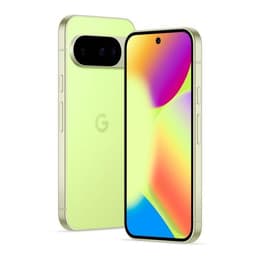
Google Pixel 10
Starting at

Refurbished price:£404.00

Versus £1,196.66 new

See options
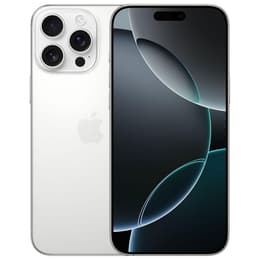
iPhone 16 Pro Max
Starting at

Refurbished price:£706.00

Versus £1,199.00 new

See options

Differences at a glance

The Google Pixel 10 (2025) and the Apple iPhone 16 Pro Max (2024) represent two distinct approaches to high-end smartphone engineering. While the Pixel 10 offers a balanced, pocket-friendly everyday experience running on Android, the iPhone 16 Pro Max delivers a massive screen and specialized performance within the iOS ecosystem. These two flagships differ primarily in their operating systems, physical footprint, and tailored hardware capabilities.

Available Models

Colour

Storage (GB)

Scores

Durability

Both smartphones are built to endure years of daily use, though they approach software maintenance and structural endurance through different manufacturer lifecycles.

  • Software longevity: The Google Pixel 10 provides extended software support covering multiple major operating system upgrades, whereas the iPhone 16 Pro Max benefits from Apple's long-standing track record of timely multi-year system updates.
  • Repairability and build: Both models feature robust water-resistant frames and durable glass, though opting for a quality-assured refurbished option provides a sustainable choice that extends device lifecycles without compromising on structural integrity.

Year of Release

2025

2024

Compatible with latest Update

Yes

Yes

Foldable

No

No

Performance

System responsiveness and battery endurance vary based on how each device manages intensive tasks and everyday background processes.

  • Multitasking and speed: Both devices handle demanding applications, heavy multitasking, and modern mobile games smoothly, supported by generous system memory and efficient processor architecture.
  • Battery behavior: The iPhone 16 Pro Max incorporates a large battery designed to comfortably stretch through heavy daily media consumption, while the Google Pixel 10 balances power efficiency to easily last through standard use cases.

Screen quality

Visual immersion and panel technologies cater to different preferences regarding size and outdoor visibility.

  • Display panels: The Google Pixel 10 features a vibrant, responsive OLED display with high peak brightness levels for clear outdoor viewing, while the iPhone 16 Pro Max offers an expansive, immersive screen with narrow borders.
  • Refresh rate and smoothness: Both models utilize adaptive refresh rates that scale smoothly from static content up to high refresh frequencies during scrolling and gaming.

Resolution

1080x2424

1320 x 2868

Screen type

OLED

LTPO Super Retina XDR OLED

Audiovisual

Photography and audio-visual playback capabilities are central to both flagships, offering versatile tools for capturing memories and media consumption.

  • Camera systems: Both devices feature multi-lens rear setups equipped to handle low-light environments, detailed portraits, and wide-angle scenes with advanced image processing.
  • Media and audio: Built-in stereo speakers deliver clear audio output for calls and video playback, complemented by high-clarity microphone arrays for recording.

Front camera

42 megapixels

12 megapixels

Miscellaneous

Physical dimensions and connectivity standards shape how each smartphone fits into daily travel and practical routines.

  • Handling and dimensions: The Google Pixel 10 presents a more compact, balanced hand-feel for one-handed operation, whereas the larger iPhone 16 Pro Max prioritizes maximum screen estate.
  • Connectivity and ports: Both models support modern 5G networks, fast Wi-Fi standards, and universal USB-C connectivity for charging and data transfer.

Weight

204 g

227 g

Screen size (in)

6.3

6.9

Mobile network

4G

5G

SIM card

Physical SIM + eSIM

Physical SIM + eSIM

Carrier compatibility

Unlocked

Unlocked

Connector

USB-C

USB-C (USB 3)

What the community thinks

Deciding between the Google Pixel 10 and the iPhone 16 Pro Max depends heavily on personal ecosystem preference and hardware priorities. Users prioritizing a compact form factor, clean Android software, and versatile everyday photography may prefer the Google Pixel 10. Conversely, users prioritizing a massive display size, robust media consumption, and the iOS environment will lean toward the iPhone 16 Pro Max. Real-world feedback notes that while both devices deliver reliable performance, consumers often weigh the physical size difference above all else. For those looking to make a sustainable choice, exploring a quality-assured refurbished option offers an eco-friendly alternative to purchasing new.