
Compare models
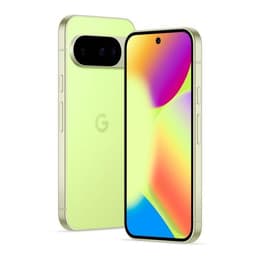
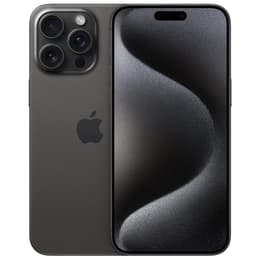
Google Pixel 10 Vs iPhone 15 Pro Max
- 1-year minimum warranty
- Free delivery on all items
- Free 30-day returns
Differences at a glance
The Google Pixel 10 (2025) and the Apple iPhone 15 Pro Max (2023) are prominent smartphones representing distinct operating systems and design philosophies. While the Pixel 10 runs on Android and focuses on integrated software assistance, the iPhone 15 Pro Max operates on iOS within a large-format titanium build. These devices differ primarily in form factor, software ecosystem, and camera hardware execution, catering to users with distinct mobile preferences.
Available Models
Colour
Storage (GB)
Scores
Durability
Both smartphones are built to handle years of daily use, though they approach long-term software support and hardware durability differently.
- Software Support Duration: The Google Pixel 10 benefits from an extended multi-year update commitment, while the iPhone 15 Pro Max follows Apple's established pattern of long-term iOS updates.
- Build Resilience: The iPhone 15 Pro Max utilizes aerospace-grade titanium with ceramic front glass protection, whereas the Pixel 10 employs robust aluminum and durable glass materials designed to withstand routine wear.
- Repairability: Both manufacturers provide structured repair channels, making quality-assured refurbished options a sustainable choice for consumers seeking extended device longevity.
Year of Release
2025
2023
Compatible with latest Update
Yes
Yes
OS
Android
iOS
Foldable
No
No
Performance
System responsiveness and everyday multitasking differ due to custom hardware architecture and memory allocations on each device.
- Multitasking Capacity: The Google Pixel 10 features ample memory to keep background applications active smoothly, while the iPhone 15 Pro Max manages background tasks efficiently through tight software and hardware integration.
- App and Gaming Execution: Both phones handle demanding applications, complex mobile games, and swift app launching without noticeable stutter or lag during routine use.
- Battery Efficiency: Power consumption varies based on background tasks, with both models generally providing enough charge to transition typical users through a full day of mixed usage.
Screen quality
Display characteristics differ in physical dimensions and panel technology, impacting media viewing and outdoor visibility.
- Display Technology: Both models feature vibrant OLED panels with deep black levels, high contrast ratios, and adaptive refresh rates scaling up to a smooth 120Hz.
- Peak Brightness: Each device offers high maximum brightness levels, ensuring clear legibility under direct sunlight or bright outdoor lighting conditions.
- Viewing Area: The iPhone 15 Pro Max provides a larger 6.7-inch viewing canvas suitable for media consumption, while the Pixel 10 offers a more compact 6.3-inch screen designed for easier single-handed operation.
Resolution
1080x2424
1290 x 2796
Screen type
OLED
LTPO Super Retina XDR OLED
Audiovisual
Imaging hardware and computational processing yield distinct results across various photography and video scenarios.
- Rear Lens Array: Both devices incorporate versatile multi-lens systems including primary wide, ultra-wide, and dedicated optical zoom options for distant subjects.
- Low-Light Performance: Advanced image processing on both phones captures clear details and balanced lighting in dim environments without excessive noise.
- Video Recording: The iPhone 15 Pro Max is widely noted for smooth stabilization and professional video formats, while the Pixel 10 utilizes software-driven tools for crisp video capture and audio enhancement.
Front camera
42 megapixels
12 megapixels
Miscellaneous
Physical dimensions, connectivity standards, and daily usability features round out the practical experience of each device.
- Biometric Security: The Pixel 10 supports facial recognition alongside an in-display fingerprint sensor, whereas the iPhone 15 Pro Max relies exclusively on face mapping technology.
- Physical Ports: Both models feature standardized reversible USB-C ports for charging and wired data transfer.
- Handling and Weight: The iPhone 15 Pro Max presents a wider footprint and heavier build due to its larger screen size, while the Pixel 10 offers a lighter, narrower profile that fits more comfortably in smaller pockets.
Weight
204 g
221 g
Screen size (in)
6.3
6.7
Mobile network
4G
5G
SIM card
Physical SIM + eSIM
Physical SIM + eSIM
Carrier compatibility
Unlocked
Unlocked
Connector
USB-C
USB-C (USB 3)
What the community thinks
User feedback from online communities highlights distinct preferences for each device. Owners of the Google Pixel 10 frequently praise its clean software interface, helpful automated assistant features, and comfortable handling. Conversely, users of the iPhone 15 Pro Max often commend its robust build quality, reliable ecosystem integration, and sustained video recording performance. Common criticisms for the Pixel involve occasional warmth during intensive tasks, while iPhone users sometimes note the heavy weight of the larger chassis.
Users prioritizing a spacious display, iOS ecosystem continuity, and advanced video tools will find the iPhone 15 Pro Max well-suited to their needs. Meanwhile, users who prefer a lighter, compact footprint paired with Android customization and integrated software features may lean toward the Google Pixel 10. For buyers interested in an eco-friendly alternative, exploring a quality-assured refurbished option provides a sustainable path to acquiring either device.