
Compare models

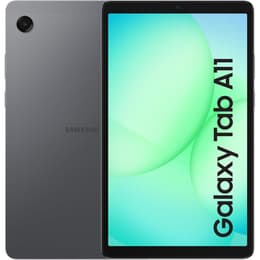
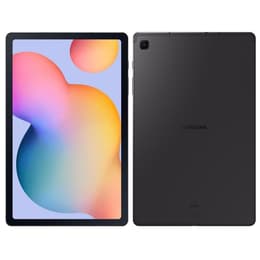
Galaxy Tab A11 (8.7", 2025) Vs Galaxy Tab S6 Lite (10.4", 2024)

  • 1-year minimum warranty
  • Free delivery on all items
  • Free 30-day returns
Galaxy Tab A11 (8.7", 2025)
Starting at

Refurbished price:£109.99

Versus £224.77 new

See options
Galaxy Tab S6 Lite (10.4", 2024)
Starting at

Refurbished price:£380.00

Versus £380.00 new

See options

Differences at a glance

The Samsung Galaxy Tab A11 (2025) and the Samsung Galaxy Tab S6 Lite (2024) represent two distinct approaches to everyday portable computing. While the Galaxy Tab A11 prioritizes compact convenience with an 8.7-inch footprint, the Galaxy Tab S6 Lite (2024) focuses on a larger 10.4-inch viewing canvas. Both devices offer practical features for media consumption and daily tasks, though they cater to different preferences in physical sizing and software generation.

Available Models

Colour

Storage

Scores

Durability

When evaluating hardware lifespan and support timelines, these two tablets offer different outlooks based on their release years and expected software cycles.

  • Software Support Duration: The Galaxy Tab A11 benefits from a newer release year, aligning with extended system update cycles, whereas the Galaxy Tab S6 Lite (2024) sits further along its software support path.
  • Repairability and Build: Both tablets feature standard construction designs that align with typical consumer electronics maintenance expectations and basic repair pathways.
  • Expected Practical Lifespan: Users can expect reliable daily performance for standard productivity tasks over several years from both models, with the newer release offering extended headroom for future software updates.

Year of Release

2025

2024

Compatible with latest Update

Yes

Yes

OS

Android

Android

Performance

Day-to-day operation relies on different hardware configurations that handle multitasking, app loading, and energy consumption in distinct ways.

  • Storage and Memory: Both models provide expandable storage options via microSD cards, alongside configurations featuring sufficient RAM for standard web browsing, streaming, and switching between everyday applications.
  • System Responsiveness: The Galaxy Tab A11 handles routine multitasking smoothly thanks to an efficient current-generation processor, while the Galaxy Tab S6 Lite (2024) manages standard media streaming and note-taking apps reliably with its dedicated mid-range hardware.
  • Battery Behavior: The Galaxy Tab A11 utilizes a 5,100 mAh battery tailored to its compact screen size, whereas the Galaxy Tab S6 Lite (2024) includes a larger 7,040 mAh battery to support its more expansive display during prolonged usage sessions.

Screen quality

Display characteristics form a major point of divergence, directly affecting viewing comfort, portability, and visual clarity.

  • Display Technology and Size: The Galaxy Tab A11 features an 8.7-inch TFT LCD screen suited for single-handed holding, while the Galaxy Tab S6 Lite (2024) provides a larger 10.4-inch TFT LCD panel that offers more canvas area for viewing documents and videos.
  • Refresh Rate and Smoothness: The Galaxy Tab A11 incorporates a 90Hz refresh rate for smoother scrolling animations, compared to the standard 60Hz refresh rate found on the Galaxy Tab S6 Lite (2024).
  • Outdoor Visibility: Both panels offer adequate brightness levels for indoor environments, though direct sunlight usage requires seeking shade for comfortable reading.

Resolution

800x1340

1200 x 2000

Pixel density

180ppp

230ppp

Audiovisual

Media capabilities and audio-visual output are tailored toward casual photography, video calls, and entertainment consumption.

  • Camera Systems: Both tablets feature straightforward single rear camera setups paired with front-facing lenses adequate for casual snapshots, scanning documents, and participating in video conferencing.
  • Audio Output: Equipped with stereo speaker configurations, both devices deliver clear sound for listening to podcasts, watching video streams, or joining virtual meetings.
  • Microphone Performance: Integrated microphones capture voice audio cleanly during calls, minimizing background interference in typical indoor settings.

Miscellaneous

Physical dimensions and connectivity standards determine how easily each device integrates into travel routines and daily workflows.

  • Portability and Handling: The Galaxy Tab A11 weighs approximately 335 grams with a compact 8.7-inch frame, making it easy to slip into small bags, while the larger Galaxy Tab S6 Lite (2024) offers a more expansive workspace at the cost of a larger physical footprint.
  • Connectivity Options: Both models support reliable Wi-Fi standards and Bluetooth pairing, with select variants offering cellular connectivity for data access on the move.
  • Physical Ports: Each tablet includes a traditional USB-C port for charging and data transfer, alongside a standard 3.5mm headphone jack for wired audio accessories. Choosing a quality-assured refurbished option provides a sustainable way to acquire these versatile devices while minimizing environmental impact.

Weight

335 g

467 g

Screen size (in)

8.7

10.4

Network

Wi-Fi

Wi-Fi + 4G

Carrier compatibility

Without SIM Port

Unlocked

Connector

USB Type-C

USB Type-C

What the community thinks

User feedback on community forums highlights distinct preferences for each device based on portability and screen dimensions. Owners of the Galaxy Tab A11 frequently praise its pocket-friendly size, lightweight handling, and smooth scrolling display. Conversely, users of the Galaxy Tab S6 Lite (2024) appreciate the larger screen estate for viewing media and writing notes comfortably.

Users prioritizing maximum portability, single-handed comfort, and a higher refresh rate will find the Galaxy Tab A11 well-suited to their needs. Meanwhile, users who value a larger display canvas for reading documents and watching videos may lean toward the Galaxy Tab S6 Lite (2024). Opting for a quality-assured refurbished option presents an eco-friendly alternative for acquiring either model. Ultimately, the choice depends entirely on whether daily habits favor a compact reading companion or a roomier media viewing screen.

Our recent comparisons