
Galaxy S23+ Vs Galaxy S24+

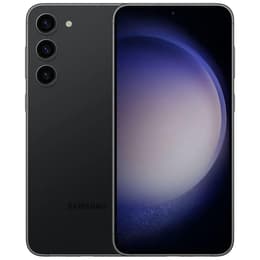
Galaxy S23+
Galaxy S23+
Starting at

Refurbished price:£257.00

Versus £1,199.99 new

See options
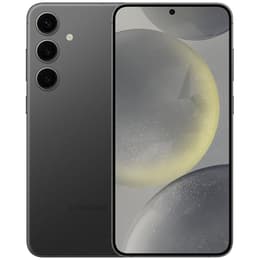
Galaxy S24+
Galaxy S24+
Starting at

Refurbished price:£337.00

Versus £997.95 new

See options

Ratings

The Samsung Galaxy S23 Plus, released in February 2023, and the Samsung Galaxy S24 Plus, launched in January 2024, represent two consecutive generations of Samsung's mid-tier flagship smartphones. While they share a similar design philosophy, the newer S24 Plus introduces notable enhancements in display technology, processing power, and long-term software support, setting it apart from its predecessor. Both devices operate on the Android platform with Samsung's One UI overlay.

Scores

Durability

When considering the practical lifespan and ongoing support for these devices, there are distinct differences in Samsung's commitment to software updates.

  • Release Timeline and Age: The Galaxy S23 Plus was released in February 2023, making it approximately one year older than the Galaxy S24 Plus, which launched in January 2024. This age difference directly impacts their respective support windows.
  • OS and Security Support: The Galaxy S23 series was initially promised 4 years of Android OS updates and 5 years of security updates. In contrast, the Galaxy S24 Plus benefits from Samsung's extended commitment, offering 7 years of both Android OS and security updates from its release date. This means the S24 Plus will receive software support for a significantly longer period, ensuring continued access to new features and security patches.
  • Repairability: Both models demonstrate a focus on repairability. The Galaxy S24 Plus has received high repairability scores, often rated around 8-9 out of 10, with features like easily removable back panels and battery pull tabs, though screen replacement can still be challenging. The Galaxy S23 series also saw repairability improvements, including battery pouches to simplify replacements.

Year of Release

2023

2024

Compatible with latest Update

Yes

Yes

OS

Android

Android

Foldable

No

No

Performance

The performance capabilities of the Galaxy S23 Plus and S24 Plus show a generational leap, particularly in handling demanding applications and multitasking.

  • Processor Capabilities: The Galaxy S24 Plus features a newer, more powerful processor, which translates to smoother operation and faster processing for intensive tasks like gaming and video editing. The Galaxy S23 Plus, while still offering robust performance for everyday use and many demanding applications, utilizes the previous generation's processor.
  • RAM and Multitasking: The Galaxy S24 Plus typically comes with 12GB of RAM, providing more headroom for running multiple applications simultaneously and switching between them without slowdowns. The Galaxy S23 Plus generally includes 8GB of RAM, which is sufficient for most users but may show limitations when heavily multitasking or running very memory-intensive applications.
  • Overall Responsiveness: Users will experience a highly responsive interface on both devices. However, the S24 Plus offers a slight edge in overall system fluidity and quicker app loading times due to its updated internal components.

Memory (GB)

8 GB

12 GB

Screen quality

The display is a key area where the Galaxy S24 Plus introduces significant upgrades over its predecessor, enhancing the visual experience.

  • Display Technology and Resolution: Both phones feature Dynamic AMOLED 2X displays, known for vibrant colors and deep blacks. However, the Galaxy S24 Plus upgrades to a QHD+ resolution (3120x1440 pixels) on its 6.7-inch screen, resulting in noticeably sharper images and text compared to the Galaxy S23 Plus's 6.6-inch FHD+ resolution (2340x1080 pixels).
  • Brightness and Outdoor Visibility: The Galaxy S24 Plus offers a significantly higher peak brightness of up to 2600 nits, making it much easier to view content clearly in bright outdoor conditions. The Galaxy S23 Plus has a peak brightness of 1750 nits, which is still good but less luminous in direct sunlight.
  • Refresh Rate and Smoothness: While both devices feature a 120Hz adaptive refresh rate for smooth scrolling and animations, the S24 Plus utilizes LTPO technology, allowing its refresh rate to dynamically scale down to 1Hz for improved power efficiency. The S23 Plus's adaptive refresh rate can go down to 48Hz.

Resolution

1080 x 2340

1440 x 3120

Screen type

Dynamic AMOLED 2X

Dynamic LTPO AMOLED 2X

Audiovisual

The camera systems on both the Galaxy S23 Plus and S24 Plus offer versatile photography and videography capabilities, with the newer model focusing on software enhancements.

  • Camera Hardware: Both smartphones feature a similar triple-camera setup on the rear, consisting of a 50MP main sensor, a 12MP ultrawide lens, and a 10MP telephoto lens with 3x optical zoom. The front-facing camera on both is a 12MP sensor.
  • Photography Performance: In everyday lighting, both phones capture detailed and vibrant images. The Galaxy S24 Plus, however, benefits from updated image processing, which can result in slightly warmer and brighter pictures. The S23 Plus is also capable of capturing quality shots with good video stabilization.
  • Video Recording and Features: Both devices support high-resolution video recording, including 8K, and offer various modes and frame rates. The S24 Plus introduces new AI-based editing features that allow for more advanced post-capture adjustments.

Main camera

50 megapixels

50 megapixels

Front camera

12 megapixels

12 megapixels

Miscellaneous

Beyond core performance and display, several practical elements differentiate the user experience between these two Galaxy Plus models.

  • Connectivity Options: Both devices support 5G connectivity for fast mobile data. The Galaxy S24 Plus may offer newer Wi-Fi standards, such as Wi-Fi 7, compared to the Wi-Fi 6E found in the S23 Plus, potentially providing faster and more stable wireless connections where supported.
  • Physical Design and Handling: The dimensions and weight of both phones are very similar, with both weighing 196g. The S24 Plus measures 158.5 x 75.9 x 7.7mm, while the S23 Plus is 157.8 x 76.2 x 7.6mm. The S24 Plus features flatter sides and an Enhanced Armor Aluminum frame, contributing to a slightly different in-hand feel and potentially improved durability. Both are rated IP68 for dust and water resistance.
  • Security and Biometrics: Both models include an in-display fingerprint sensor and face recognition for secure unlocking and authentication.

Weight

196 g

197 g

Screen size (in)

6.6

6.7

Mobile network

5G

5G

SIM card

Dual Physical SIM + eSIM

Dual Physical SIM + eSIM

Carrier compatibility

Unlocked

Unlocked

Connector

USB-C

USB-C

The Samsung Galaxy S23 Plus and Galaxy S24 Plus are both capable Android smartphones, each offering a premium experience. User feedback for the S23 Plus often highlights its strong overall performance, reliable battery life, and solid camera capabilities, making it a dependable choice for many. Some users noted its FHD+ display resolution as a point of comparison against higher-end models at its release. The S24 Plus, being the newer model, frequently receives praise for its significantly upgraded display, offering higher resolution and brightness, as well as its more powerful processor and the promise of extended software support for seven years. Criticisms for the S24 Plus sometimes point to its camera hardware being largely unchanged from its predecessor, with improvements primarily driven by software and AI features, which some users find to be a mixed bag.

Users prioritizing long-term software updates, a sharper and brighter display, and the latest processing power for demanding applications will find the Galaxy S24 Plus well-suited to their needs. Its enhanced display makes it particularly appealing for media consumption and outdoor use. Conversely, individuals who value a proven, high-performing device and do not require the absolute latest display technology or the longest software support window may find the Galaxy S23 Plus to be a strong contender. Both devices offer a robust Android experience, and choosing a quality-assured refurbished option for either model can be an eco-friendly alternative for consumers.

See all articles

Our recent comparisons