Galaxy S21 5G Vs iPhone 12

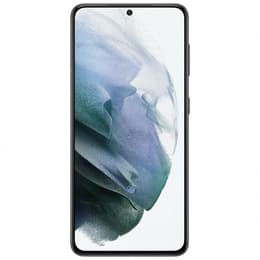
Galaxy S21 5G
Galaxy S21 5G
Starting at

Refurbished price:£128.00

Versus £859.00 new

See options
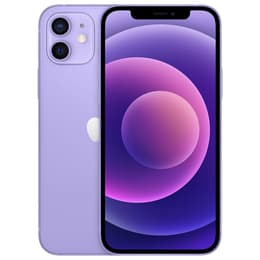
iPhone 12
iPhone 12
Starting at

Refurbished price:£138.00

Versus £649.00 new

See options

Ratings

The Samsung Galaxy S21 5G, released in early 2021, and the iPhone 12, launched in late 2020, remain popular choices for users seeking a reliable smartphone experience. While they both offer modern features, they cater to different preferences regarding operating systems and hardware priorities. The Galaxy S21 5G runs on the Android platform with a focus on display fluidity, whereas the iPhone 12 utilises iOS and emphasises a seamless ecosystem integration. Both devices provide a practical experience for everyday tasks, photography, and connectivity for various user profiles.

Scores

Durability

The Galaxy S21 5G and the iPhone 12 offer distinct approaches to longevity and software support, which are essential factors for users planning to keep their devices for several years.

  • Software Support: The iPhone 12 typically receives iOS updates for six to seven years from its release date, ensuring it remains current with features and security patches. The Galaxy S21 5G follows a structured update policy that provides four years of major Android version updates and five years of security support, making both devices dependable for long-term use.
  • Build and Repairability: The iPhone 12 features a Ceramic Shield front and a glass back, while the Galaxy S21 5G uses a reinforced polycarbonate material that is resistant to cracks from accidental drops. Both models have established repair networks, though the internal components vary in accessibility between the two brands.
  • Practical Lifespan: Given their release dates, both smartphones are expected to perform reliably for several more years, with the iPhone 12 having a slight edge in software duration and the Galaxy S21 5G offering a resilient physical build.

Year of Release

2021

2020

Compatible with latest Update

Yes

Yes

OS

Android

iOS

Foldable

No

No

Performance

When evaluating how these devices handle daily demands, the Galaxy S21 5G and iPhone 12 both deliver responsive performance that meets the needs of professionals and casual users.

  • System Responsiveness: The Galaxy S21 5G is equipped with high-capacity memory that allows for multitasking and keeping multiple apps open simultaneously without slowdowns. The iPhone 12, while having a different memory architecture, benefits from deep software optimisation that ensures apps launch quickly and the interface remains fluid during heavy use.
  • Battery and Efficiency: The Galaxy S21 5G features a battery designed to power its high-refresh-rate screen, though intensive tasks will increase power consumption. The iPhone 12 uses a smaller battery but manages energy efficiently through its integrated hardware and software design, typically lasting through a full day of standard activities.
  • Storage and Multitasking: Both devices offer various storage capacities to house photos, videos, and applications. Users who frequently switch between demanding apps or engage in mobile gaming will find that both smartphones handle these tasks with ease, maintaining consistent speeds without significant heat buildup.

Memory

8 GB

4 GB

Screen quality

The visual experience is a primary differentiator between these two models, as they employ different display technologies to achieve clarity and smoothness.

  • Display Fluidity: The Galaxy S21 5G features a screen with a high refresh rate of 120Hz, which makes scrolling through social media feeds and navigating menus appear fluid. In contrast, the iPhone 12 uses a standard 60Hz refresh rate, which provides a traditional but stable visual experience that is consistent across all applications.
  • Panel Technology: Both smartphones utilise OLED technology, which provides deep black levels and vibrant colour reproduction. This makes both devices well-suited for watching high-definition videos or viewing photos. The Galaxy S21 5G offers a slightly larger viewing area, while the iPhone 12 focuses on colour accuracy and peak brightness for visibility in direct sunlight.
  • Outdoor Visibility: Users who frequently use their phones outdoors will find the brightness levels on both devices sufficient. The Galaxy S21 5G adjusts its brightness dynamically to combat glare, while the iPhone 12 maintains a clear and legible display even in bright environments, ensuring that text and images remain sharp for the user.

Resolution

1080 x 2400

1170 x 2532

Screen type

Dynamic AMOLED 2X

Super Retina XDR OLED

Audiovisual

Photography and media consumption are central to the smartphone experience, and both the Galaxy S21 5G and iPhone 12 offer capable camera systems and audio outputs.

  • Camera Versatility: The Galaxy S21 5G includes a triple-lens system featuring a dedicated telephoto lens, which allows users to capture clear photos from a distance using optical zoom. The iPhone 12 utilises a dual-lens system that excels in colour consistency and natural skin tones, though it lacks a dedicated lens for long-range zooming.
  • Video and Low Light: Both devices are capable in low-light environments, using processing to brighten dark scenes without introducing excessive noise. For video recording, the iPhone 12 is often noted for its stabilisation and smooth transitions, while the Galaxy S21 5G offers high-resolution recording options that capture fine details for content creators.
  • Audio Experience: Each phone is equipped with stereo speakers that provide a balanced soundstage for watching movies or listening to podcasts. The microphone arrays on both models are designed to filter out background noise, ensuring clear voice quality during calls and video recordings for professional or personal use.

Main camera

12 megapixels

12 megapixels

Front camera

10 megapixels

12 megapixels

Miscellaneous

Beyond the core specifications, practical features like connectivity and physical design influence the daily handling of the Galaxy S21 5G and iPhone 12.

  • Connectivity and Ports: Both smartphones support 5G networks, providing fast data speeds in areas with compatible infrastructure. The Galaxy S21 5G uses a universal USB-C port for charging and data transfer, which is compatible with many modern accessories. The iPhone 12 uses the proprietary Lightning port, which integrates with the existing ecosystem of Apple peripherals.
  • Security and Biometrics: The Galaxy S21 5G employs an ultrasonic fingerprint sensor located under the display, allowing for quick unlocking even if fingers are slightly damp. The iPhone 12 uses facial recognition technology, which provides a secure and hands-free way to access the device and authorise payments or app downloads.
  • Dimensions and Handling: The iPhone 12 features a flat-edge design that provides a secure grip, while the Galaxy S21 5G has slightly curved edges and a narrower frame that makes it comfortable for one-handed use. Both devices are relatively lightweight, making them easy to carry in a pocket or small bag throughout the day.

Weight

169 g

164 g

Width

7,12 cm

7.15 cm

Height

15,17 cm

14.67 cm

Depth

0,79 cm

0.74 cm

Screen size (in)

6.2

6.1

Network

5G

5G

SIM card

Dual Physical SIM + eSIM

Physical SIM + eSIM

Carrier compatibility

Unlocked

Unlocked

Connector

USB-C

Lightning

Choosing between the Galaxy S21 5G and the iPhone 12 often comes down to a preference for specific features and the broader software environment. User consensus on community forums suggests that those who value a fluid screen and versatile zoom capabilities tend to favour the Galaxy S21 5G. Conversely, users who prioritise video recording quality, long-term software consistency, and a straightforward user interface often lean toward the iPhone 12. Some users have noted that the Galaxy S21 5G's plastic back is a practical choice for durability, while others appreciate the glass and metal construction of the iPhone 12.

Users prioritising a smooth 120Hz display and the ability to zoom in on distant subjects may find the Galaxy S21 5G better suited to their needs. Those who prefer a cohesive ecosystem and a device that maintains its software relevance for a longer period may prefer the iPhone 12. Choosing a quality-assured refurbished option allows users to access these features while supporting a circular economy. Opting for these devices as an eco-friendly alternative helps reduce electronic waste without compromising on modern smartphone capabilities. Both smartphones offer distinct advantages that cater to different user needs and preferences.

See all articles

Our recent comparisons