
Smartphones
Compare models
Differences at a glance
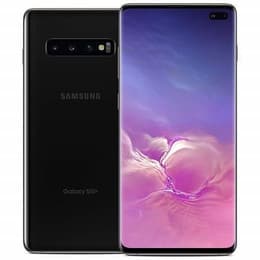
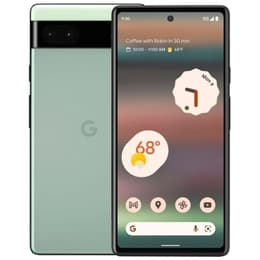
The Samsung Galaxy S10 Plus, released in March 2019, and the Google Pixel 6a, launched in July 2022, represent different approaches to smartphone design and functionality from their respective release eras. While the Galaxy S10 Plus was a flagship device at its launch, the Pixel 6a was introduced as a more accessible option within Google's Pixel line. Both devices operate on the Android platform, but they offer distinct user experiences shaped by their hardware, software philosophies, and release timelines.
Colour
Storage (GB)
When considering the long-term usability of these devices, their release timelines and software support policies are key differentiators.
Year of Release
Compatible with latest Update
OS
Foldable
The performance of these two smartphones is influenced by their respective processors and system optimizations, leading to different real-world experiences.
The visual experience on these devices is shaped by their display technologies and specifications.
Resolution
Screen type
Both smartphones offer capable camera systems, but they approach photography with different hardware and software strengths.
Main camera
Front camera
Beyond core specifications, several practical elements contribute to the overall user experience of these devices.
Weight
Screen size (in)
Mobile network
SIM card
Carrier compatibility
The Samsung Galaxy S10 Plus and Google Pixel 6a cater to different user priorities, reflecting their respective market positions and release periods. The S10 Plus, a former flagship, is often praised by users for its vibrant, high-resolution display, versatile camera system with optical zoom, and the inclusion of a 3.5mm headphone jack and expandable storage. Common criticisms, particularly in the current landscape, revolve around its limited software update longevity and the repairability challenges.
The Google Pixel 6a, on the other hand, receives frequent commendation for its strong performance driven by the Google Tensor chip, excellent computational photography capabilities, and a longer software support commitment. User feedback sometimes points to the 60Hz display and the lack of a headphone jack or expandable storage as areas where it could improve.
Users prioritizing a premium display experience, a dedicated telephoto lens, and traditional features like a headphone jack and expandable storage, and who are comfortable with an older software ecosystem, might find the Galaxy S10 Plus appealing. Conversely, those who value a modern, optimized Android experience, superior computational photography, and extended software support, even with a slightly less premium display and fewer legacy ports, will likely prefer the Google Pixel 6a. Both devices, when considered as quality-assured refurbished options, offer an eco-friendly alternative for consumers seeking capable smartphones without purchasing new.