
Galaxy A25 Vs Galaxy A55

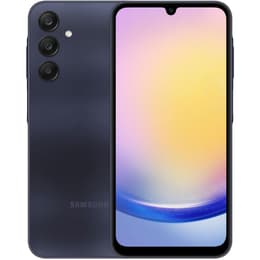
Galaxy A25
Galaxy A25
Starting at

Refurbished price:£122.00

Versus £272.58 new

See options
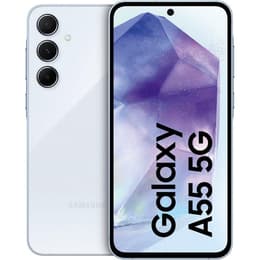
Galaxy A55
Galaxy A55
Starting at

Refurbished price:£192.21

Versus £479.00 new

See options

Ratings

The Samsung Galaxy A25 (released December 2023) and the Samsung Galaxy A55 (released March 2024) are both mid-range Android smartphones from Samsung's popular A-series. While they share the same operating system and a similar design philosophy, the Galaxy A55 generally offers a more refined experience with enhanced build materials and a more capable processor, whereas the Galaxy A25 provides a solid foundation for everyday use.

Scores

Durability

When considering the practical lifespan of these devices, both the Galaxy A25 and Galaxy A55 benefit from Samsung's commitment to software support, though with slight differences in their update timelines.

  • Software Longevity: The Galaxy A25 is expected to receive four major Android OS updates and five years of security patches from its release, extending its usability into the future. [13, 18, 22, 34] The Galaxy A55 also offers four major OS updates and five years of security updates, aligning with Samsung's policy for its mid-range devices. [1, 11, 14, 23, 32]
  • Update Frequency: While both receive long-term support, the Galaxy A25 typically receives quarterly security updates, whereas the newer Galaxy A55 may receive more frequent security patches, at least initially. [22, 27]
  • Physical Durability: The Galaxy A55 features a more robust construction with a metal frame and Gorilla Glass Victus+ on the front, offering enhanced resistance to drops and scratches compared to the Galaxy A25's Gorilla Glass 5 front and plastic back. [4, 6, 8, 10, 12] The Galaxy A55 also includes an IP67 rating for dust and water resistance, a feature not present on the A25, contributing to its overall resilience. [2, 4, 32]

Year of Release

2023

2024

Compatible with latest Update

Yes

Yes

OS

Android

Android

Foldable

No

No

Performance

The performance of a smartphone significantly impacts daily interactions, from launching applications to managing multiple tasks. Both the Galaxy A25 and A55 are designed for smooth operation, but they differ in their underlying capabilities.

  • Processing Power: The Galaxy A55 is equipped with a newer generation processor, which translates to noticeably faster application loading times, smoother transitions between apps, and more efficient handling of demanding games or complex tasks. [10, 15] The Galaxy A25, while capable for general use, may exhibit occasional slowdowns with more intensive applications or heavy multitasking. [13, 20]
  • Multitasking Efficiency: Both devices offer various RAM configurations, with the Galaxy A55 having options for up to 12GB of RAM, which can provide a slight edge in keeping more applications active in the background without needing to reload them. [2, 8, 10] The Galaxy A25 typically comes with 6GB or 8GB of RAM, which is sufficient for most users but might feel less fluid under heavy loads. [3, 6, 16]
  • Storage Options: Both models offer 128GB or 256GB of internal storage, and importantly, both support expandable storage via a microSD card, allowing users to significantly increase their storage capacity for photos, videos, and apps. [2, 3, 6, 8, 10, 12]

Memory (GB)

6 GB

8 GB

Screen quality

The display is a primary interface for any smartphone, and both the Galaxy A25 and A55 feature vibrant Super AMOLED panels, though with some distinctions in their visual experience.

  • Display Technology and Clarity: Both phones utilize Super AMOLED technology, known for its deep blacks and vivid colors, and offer a Full HD+ resolution (2340x1080 pixels), ensuring sharp and clear visuals for everyday content. [3, 5, 6, 12] The Galaxy A55 has a slightly larger 6.6-inch display compared to the A25's 6.5-inch screen, providing a marginally more expansive viewing area. [2, 3, 4, 5, 8, 10, 12]
  • Smoothness and Brightness: Both devices feature a 120Hz refresh rate, contributing to a smoother scrolling experience and more fluid animations. [2, 5, 6, 10, 12] However, some users have reported that the Galaxy A55's display can exhibit issues such as washed-out colors, subpar brightness in direct sunlight, and potential PWM flicker at low brightness, which might affect sensitive eyes. [7, 21, 32] The Galaxy A25's display generally offers consistent brightness, though some users have noted fluctuations. [20]
  • Viewing Experience: While both provide an immersive viewing experience due to their AMOLED panels, the Galaxy A55's larger screen and potentially higher peak brightness (though with reported inconsistencies) aim for a more premium visual output. [10, 23]

Resolution

1080 x 2340

1080 x 2340

Screen type

Super AMOLED

Super AMOLED

Audiovisual

For many users, camera capabilities are a key factor in smartphone choice. Both the Galaxy A25 and A55 offer versatile camera systems, but the A55 presents notable enhancements.

  • Rear Camera System: Both phones feature a 50-megapixel main camera with Optical Image Stabilization (OIS), which helps in capturing sharper images and more stable videos, especially in challenging conditions. [5, 6, 8, 15, 16] The Galaxy A55 elevates its secondary cameras with a 12-megapixel ultrawide lens and a 5-megapixel macro lens, offering more detail and versatility compared to the A25's 8-megapixel ultrawide and 2-megapixel macro setup. [2, 4, 5, 6, 8, 12, 15, 16]
  • Photography Performance: The Galaxy A55 generally delivers improved image quality, particularly in low-light conditions, thanks to its enhanced sensors and processing, often referred to as 'Nightography'. [4, 23, 32] While the A25's camera performs well in adequate lighting, the A55 tends to produce more consistent and detailed results across various scenarios. [34]
  • Video and Front Camera: Both devices are capable of recording 4K video. [6, 8, 12] For selfies, the Galaxy A55 features a higher-resolution 32-megapixel front camera, providing more detailed self-portraits compared to the A25's 13-megapixel front camera. [2, 5, 8, 12, 15]

Main camera

50 megapixels

50 megapixels

Front camera

13 megapixels

32 megapixels

Miscellaneous

Beyond core specifications, several practical features contribute to the overall user experience and daily convenience of a smartphone.

  • Connectivity and Ports: Both the Galaxy A25 and A55 support 5G connectivity for faster mobile data speeds. [6, 8, 12] The A55 supports Wi-Fi 6, offering potentially faster and more stable wireless connections than the A25's Wi-Fi 5 (802.11ac). [6, 8] Both utilize a USB-C port for charging and data transfer. A notable difference is the presence of a 3.5mm headphone jack on the Galaxy A25, which is absent on the Galaxy A55. [12, 15, 24, 32]
  • Biometric Security: The Galaxy A25 features a side-mounted fingerprint sensor integrated into the power button, which is generally responsive. [35] The Galaxy A55, on the other hand, uses an in-display optical fingerprint sensor. User feedback indicates that the A55's in-display sensor can be slower and less consistent than expected. [7, 24, 32]
  • Build and Handling: The Galaxy A55 has a more premium feel with its metal frame and glass back, contributing to a slightly heavier build at 213g compared to the A25's 197g. [2, 6, 8, 10] The A25's plastic back may offer a different tactile experience and potentially more grip. [6, 34]

Weight

197 g

213 g

Screen size (in)

6.5

6.6

Mobile network

5G

5G

SIM card

Dual Physical SIM

Dual Physical SIM

Carrier compatibility

Unlocked

Unlocked

Connector

USB-C

USB-C

The Samsung Galaxy A25 and Galaxy A55 both offer compelling features within the mid-range smartphone segment, catering to different user priorities. User feedback for the Galaxy A25 often praises its solid performance for its category and the inclusion of a headphone jack. However, some users have reported occasional network connectivity issues and a less responsive fingerprint sensor. [17, 34, 35]

The Galaxy A55 is frequently lauded for its more premium build quality, improved camera system, and generally smoother performance. Conversely, common criticisms include a sometimes unreliable in-display fingerprint sensor, potential display issues like PWM flicker, and a relatively slow charging speed despite its 25W capability. [7, 21, 23, 24, 32]

Users prioritizing a more robust build, enhanced camera capabilities, and a slightly more powerful processing experience for demanding applications may find the Galaxy A55 better suited to their needs. Its IP67 rating also adds a layer of protection for those concerned about water and dust exposure. [2, 4, 32] On the other hand, individuals who value a traditional headphone jack, a lighter device, and a reliable physical fingerprint sensor, while still getting a capable smartphone for everyday tasks, might lean towards the Galaxy A25. [12, 15, 35]

Both models represent a practical choice for consumers seeking a quality Android experience without opting for flagship devices. Considering a quality-assured refurbished option for either the Galaxy A25 or Galaxy A55 can also be a sustainable choice, offering a reliable device while extending its lifecycle.

See all articles

Our recent comparisons