
Compare models
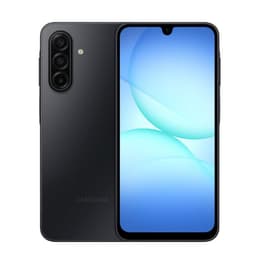
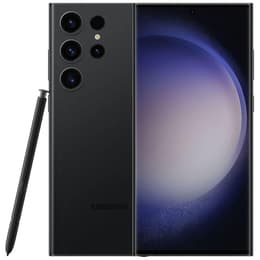
Galaxy A17 Vs Galaxy S23 Ultra
- 1-year minimum warranty
- Free delivery on all items
- Free 30-day returns
Differences at a glance
The Samsung Galaxy A17 (2025) and the Samsung Galaxy S23 Ultra (2023) represent two distinct approaches to modern mobile technology within Samsung's expansive smartphone lineup. While the Galaxy A17 is designed as an accessible everyday device focusing on core essentials, the Galaxy S23 Ultra serves as a high-end flagship loaded with advanced productivity tools and professional-grade capabilities. Both devices run on Android-based software paired with Samsung's customized interface, though they cater to entirely different user expectations regarding capability and design.
Available Models
Colour
Storage (GB)
Scores
Durability
Evaluating the lifecycle of these two devices involves balancing their release timelines against Samsung's software support commitments and physical construction.
- Software Support: The Galaxy A17 benefits from an extended multi-year update commitment typical of newer releases, whereas the Galaxy S23 Ultra occupies an earlier generation but retains robust software longevity due to its flagship status.
- Build and Repairability: The Galaxy S23 Ultra utilizes heavy-duty aluminum framing and advanced protective glass, while the Galaxy A17 relies on practical materials geared toward everyday handling and routine durability.
- Expected Lifespan: Both models are built to last several years under normal conditions, with the Galaxy S23 Ultra offering high-end hardware overhead that keeps pace with demanding future software requirements.
Year of Release
2025
2023
OS
Android
Android
Foldable
No
No
Performance
Daily usage characteristics vary notably between the two models, driven by differences in internal hardware tiers, memory configurations, and energy management.
- App Loading and Multitasking: The Galaxy S23 Ultra handles heavy 3D gaming and intensive background multitasking smoothly, while the Galaxy A17 manages standard daily apps, web browsing, and casual tasks reliably.
- Battery Behavior: Both devices feature large 5000 mAh capacity cells, but the flagship model includes advanced power-efficiency optimizations that help sustain intensive usage throughout a full day.
- System Responsiveness: Animations and system navigation feel immediate on both units, though high-demand workloads see faster completion times on the flagship hardware tier.
Screen quality
Visual output differs significantly in panel technology, sharpness, and physical dimensions, affecting media consumption and outdoor usability.
- Display Technology: The Galaxy S23 Ultra features a large curved OLED panel with high resolution, while the Galaxy A17 utilizes a flat AMOLED screen tailored for clear everyday viewing.
- Brightness and Outdoors: Both screens reach sufficient peak brightness levels to remain legible under direct sunlight, though the flagship variant achieves higher luminance thresholds for vibrant HDR content.
- Refresh Rate: Smooth scrolling and fluid motion are present across both displays, enhancing the overall experience when browsing feeds or moving through menus.
Resolution
1080x2340
1440 x 3088
Screen type
Super AMOLED
Dynamic AMOLED 2X
Audiovisual
Optics and media capabilities showcase the widest divide between a standard daily-use phone and a high-end photography powerhouse.
- Camera Systems: The Galaxy S23 Ultra includes a versatile quad-camera array featuring a very high-resolution main sensor and long-range optical zoom lenses, whereas the Galaxy A17 equips a simpler multi-lens setup for casual snapshots.
- Low-Light and Video: The flagship model excels in dark environments and records exceptionally detailed high-resolution video, while the Galaxy A17 delivers dependable results in standard daylight conditions.
- Audio and Media: Stereo speakers on both units provide clear sound for calls and videos, though the flagship option produces deeper bass and higher maximum volume levels.
Main camera
50 megapixels
200 megapixels
Miscellaneous
Practical physical traits and connectivity features dictate how these devices integrate into daily travel, work, and communication routines.
- Connectivity: Both models support modern 5G cellular networks, high-speed Wi-Fi standards, and reliable Bluetooth pairing for wireless accessories.
- Specialized Features: The Galaxy S23 Ultra includes an integrated stylus for note-taking and precision tasks, a feature absent on the Galaxy A17.
- Handling and Form Factor: The Galaxy A17 is lighter and flatter in the hand, whereas the Galaxy S23 Ultra carries a heavier, more substantial footprint due to its larger screen size and internal hardware.
Weight
192 g
234 g
Screen size (in)
6.7
6.8
Mobile network
5G
5G
SIM card
Physical SIM
Physical SIM + eSIM
Carrier compatibility
Unlocked
Unlocked
Connector
USB-C
USB-C
What the community thinks
User feedback from online communities highlights distinct praise and common criticisms for each smartphone. Owners of the Galaxy S23 Ultra frequently praise its exceptional zoom photography, integrated stylus utility, and powerful processing speeds, though some note its large physical footprint and heavier weight can feel cumbersome during single-handed use. Conversely, users of the Galaxy A17 appreciate its reliable battery endurance, clear display quality, and dependable everyday performance for basic communication, while occasionally noting limitations in dim-light photography and heavy gaming scenarios.
Users prioritizing productivity tools, advanced photography, and maximum processing capability will find the Galaxy S23 Ultra well-suited to their needs, whereas users seeking a reliable, straightforward device for daily communication may prefer the Galaxy A17. For those considering a more sustainable purchasing path, choosing a quality-assured refurbished option provides an eco-friendly alternative that extends device lifecycles without compromising on performance. Ultimately, the choice depends on matching individual workflow requirements and media habits with the specific strengths of each model.