
Compare models

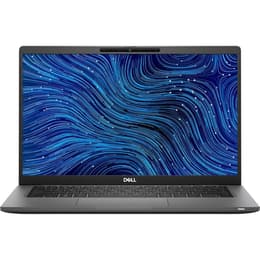
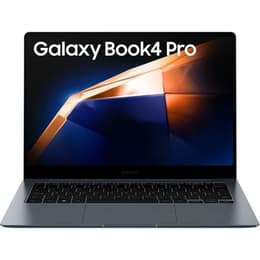
Dell Latitude 7420 14" Vs Samsung Galaxy Book4 Pro 16"

  • 1-year minimum warranty
  • Free delivery on all items
  • Free 30-day returns
Dell Latitude 7420 14"
Starting at

Refurbished price:£240.00

Versus £1,873.28 new

See options
Samsung Galaxy Book4 Pro 16"
Starting at

Refurbished price:£899.00

Versus £973.00 new

See options

Differences at a glance

The Dell Latitude 7420 (2021) and the Samsung Galaxy Book4 Pro 16 (2024) represent two distinct approaches to portable computing, balancing professional portability with immersive media capabilities. While the Dell laptop prioritizes a compact form factor and enterprise-grade security, the Samsung model focuses on a spacious viewing area and modern multimedia performance. Both run on Windows operating systems, though they target different daily computing habits.

Available Models

Storage (GB)

Processor

Memory (GB)

Scores

Durability

When considering device longevity and build resilience, both laptops offer solid construction matched to their respective release eras, with the Samsung model benefiting from a more recent debut.

  • Software updates and support: The Samsung model receives newer operating system feature drops due to its later release year, whereas the Dell device relies on established enterprise support channels and standard security patches.
  • Repairability and build: Both units feature tightly integrated components to maintain slim profiles, though corporate-focused machines like the Dell alternative often feature accessible service documentation for component swaps.
  • Expected lifespan: Users can expect dependable multi-year service from both machines, making quality-assured refurbished options from Back Market a sustainable choice for reducing electronic waste.

Year of Release

2020

2023

Last Os Compatibility

Yes

Yes

OS

Windows 11

Windows 11

Performance

Daily computing capabilities vary significantly based on internal hardware generations, influencing how each machine handles everyday multitasking and heavier workloads.

  • Multitasking and responsiveness: The Samsung device handles demanding applications and concurrent browser tabs smoothly through its current-generation processor and high-bandwidth memory, while the Dell laptop manages standard office tasks and administrative software reliably.
  • Storage capacity: Both laptops offer fast solid-state drive options, ensuring quick system startup times and rapid file transfers.
  • Battery behavior: The Dell model offers efficient energy consumption suited for mobile professionals working away from desks, whereas the Samsung machine provides balanced power management designed to support its larger visual workspace throughout a typical workday.

Graphic card

Integrated Graphics

Integrated

Screen quality

Visual output is a primary differentiator between these two portable computers, defined by distinct panel technologies and physical dimensions.

  • Display technology: The Samsung laptop features an expansive organic light-emitting diode touchscreen with deep contrast levels and vibrant color reproduction, while the Dell machine utilizes a traditional liquid crystal display focused on anti-glare properties.
  • Resolution and refresh rate: The Samsung model delivers a high-resolution workspace with a smooth refresh rate for fluid scrolling, whereas the Dell device standardizes on a traditional Full HD resolution adequate for standard document editing.
  • Outdoor usability: Both screens offer sufficient brightness levels for indoor office environments, though glossy touch panels handle ambient light differently than matte business screens.

Resolution

1920 x 1080

2880 x 1800

Screen type

LCD

IPS

Audiovisual

Multimedia hardware and audio-visual output shape how each device handles virtual communication and media consumption.

  • Camera capabilities: Both computers include integrated webcams suitable for video conferencing, supported by digital microphones for clear voice pickup during calls.
  • Speaker output: The Samsung laptop incorporates a robust multi-speaker setup that produces rich audio for media playback, while the Dell model provides clear dialogue audio tuned for business meetings.
  • Video and photo handling: Integrated graphics processors on both devices manage routine video streaming and light media editing without dedicated graphics hardware.

Miscellaneous

Physical dimensions and connectivity options dictate how easily each laptop integrates into mobile or desktop workspaces.

  • Port selection: Both devices include versatile connection ports such as high-speed data slots and video outputs, though the Samsung option incorporates an expanded HDMI standard for external displays.
  • Portability and weight: The Dell Latitude prioritizes a compact 14-inch footprint for effortless travel, while the Samsung Galaxy Book provides a larger 16-inch workspace that requires slightly more room in a backpack.
  • Security features: Both machines offer biometric authentication options, including fingerprint readers or facial recognition, to secure user data.

Weight

1550 g

1230 g

Screen size

14

16

What the community thinks

Choosing between these two portable computers depends heavily on individual daily workflows and physical preferences. Users prioritizing a compact footprint, lightweight travel, and corporate security features may find the Dell Latitude 7420 well-suited to their needs. Conversely, users prioritizing an expansive visual workspace, touch functionality, and rich media consumption will likely lean toward the Samsung Galaxy Book4 Pro 16.

Reviewing community feedback reveals that owners appreciate the Dell model for its dependable keyboard and robust build, while Samsung users frequently praise the vibrant display quality and smooth system fluidity. Choosing a quality-assured refurbished option through Back Market provides an eco-friendly alternative for acquiring either device while supporting sustainable technology consumption. Ultimately, aligning device specifications with daily tasks ensures a satisfying long-term computing experience.


Our recent comparisons