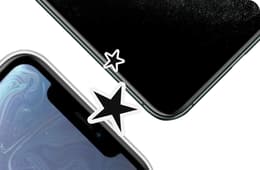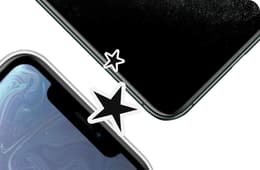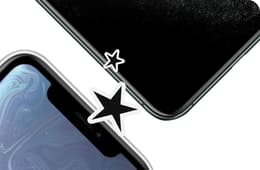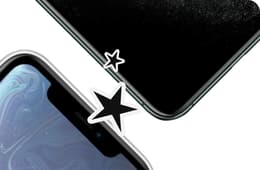
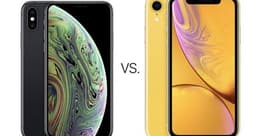
iPhone SE (2020) Vs iPhone XR

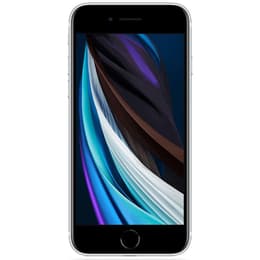
iPhone SE (2020)
iPhone SE (2020)
Starting at

Refurbished price:£70.00

Versus £289.00 new

See options
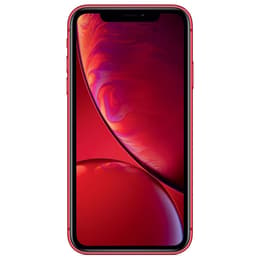
iPhone XR
iPhone XR
Starting at

Refurbished price:£96.00

Versus £399.00 new

See options

Ratings

The iPhone SE (2020) and the iPhone XR represent two different approaches to the classic smartphone experience. Released in 2020 and 2018 respectively, these devices cater to distinct preferences regarding size and navigation. While the iPhone SE retains the familiar home button and compact frame, the iPhone XR introduced the edge-to-edge display style to a wider audience. Both run on Apple’s iOS, ensuring a consistent software experience across both models, though their internal hardware leads to differences in longevity and daily speed.

Scores

Durability

The iPhone SE (2020) and iPhone XR differ primarily in their release timing and internal age, which impacts how long they will remain compatible with the latest software.

  • Software Longevity: The iPhone SE (2020) launched two years after the XR, meaning it generally receives system updates for a longer period, providing a more extended functional life for users who want the latest features.
  • Build and Repair: Both devices feature glass and aluminium constructions that are well-understood by repair professionals, making screen or battery replacements straightforward and widely available.
  • Practical Lifespan: While the XR is older, its sturdy build remains relevant, but the SE's more recent internal components offer a bit more headroom for future app requirements and security patches.

Year of Release

2020

2018

Compatible with latest Update

Yes

Yes

OS

iOS

iOS

Foldable

No

No

Performance

Daily tasks and multitasking feel slightly different on these two devices due to the generational gap in their internal processing power.

  • System Responsiveness: The iPhone SE (2020) handles demanding applications and rapid switching between tasks with more ease, as its internals were designed to keep up with more modern software demands.
  • Battery Endurance: The iPhone XR features a physically larger battery, which typically allows it to last longer through a full day of browsing and media playback compared to the more frequent charging needs of the compact SE.
  • Storage and Multitasking: Both models offer various storage capacities to house photos and apps, and while they manage background tasks well, the SE feels snappier when launching heavy games or editing short videos.

Memory

3 GB

3 GB

Screen quality

The most immediate difference between these two smartphones is the viewing experience, dictated by their size and display technology.

  • Display Size and Layout: The iPhone XR offers a much larger 6.1-inch screen that covers nearly the entire front of the device, whereas the iPhone SE uses a 4.7-inch display flanked by traditional borders and a physical button.
  • Visual Clarity: Both use LCD technology, providing natural colours and good visibility in outdoor light, though the XR’s larger canvas makes it more suitable for watching videos or reading long documents.
  • User Interaction: The SE relies on a familiar tactile home button for navigation, while the XR uses modern swipe gestures, which changes how users physically interact with the screen on a daily basis.

Resolution

750 x 1334

828 x 1792

Screen type

Retina IPS LCD

Liquid Retina IPS LCD

Audiovisual

Photography and media consumption are handled capably by both, though subtle differences in processing and hardware affect the final output.

  • Camera Capabilities: Both devices use a single rear lens that takes clear, detailed photos in daylight, but the iPhone SE benefits from more advanced software processing that improves detail in portraits and high-contrast scenes.
  • Video and Audio: Recording video is smooth on both, offering high-definition options, while the stereo speakers on the XR provide a slightly more immersive sound experience due to the larger body of the phone.
  • Front-Facing Features: The XR uses a more complex front camera system for facial recognition, whereas the SE uses a standard front camera, which is perfectly adequate for video calls and simple selfies.

Main camera

12 megapixels

12 megapixels

Front camera

7 megapixels

7 megapixels

Miscellaneous

Beyond the core specs, the physical handling and connectivity of these devices define the user experience.

  • Biometric Security: The iPhone SE uses a fingerprint sensor built into the home button, which many find convenient for quick unlocking, while the XR uses facial recognition for a hands-free approach.
  • Portability and Handling: The SE is significantly lighter and narrower, making it ideal for one-handed use and small pockets, while the XR has a more substantial weight that feels solid in the hand.
  • Connectivity and Ports: Both devices utilise the Lightning port for charging and support fast wireless networking, ensuring they remain compatible with a wide range of existing accessories and high-speed internet.

Weight

148 g

194 g

Screen size (in)

4.7

6.1

Network

4G

4G

SIM card

Physical SIM + eSIM

Physical SIM + eSIM

Carrier compatibility

Unlocked

Unlocked

Connector

Lightning

Lightning

Based on user feedback from various tech communities, the iPhone SE (2020) is frequently praised for its pocketable size and the reliability of the physical home button, which many users still prefer over gesture navigation. However, some users note that the smaller screen can feel cramped for modern apps. Conversely, the iPhone XR is often celebrated for its impressive battery life and the modern feel of its large display, though its older internals mean it may show signs of slowing down sooner than the SE.

Users who prioritise a compact design and want a device that will receive software updates for as long as possible may find the iPhone SE (2020) to be the better fit. Those who prefer a larger screen for media and a battery that can more easily survive a busy day will likely lean toward the iPhone XR. Choosing a quality-assured refurbished option for either model is an eco-friendly alternative that helps reduce electronic waste while providing a reliable smartphone experience. Ultimately, the choice depends on whether you value the classic, small-form factor of the SE or the modern, expansive feel of the XR.
See all articles

Our recent comparisons