
Google Pixel 9 Pro Fold Vs iPhone 15 Pro Max

Google Pixel 9 Pro Fold
Starting at

Refurbished price:£538.00

Versus £1,739.49 new

See options
iPhone 15 Pro Max
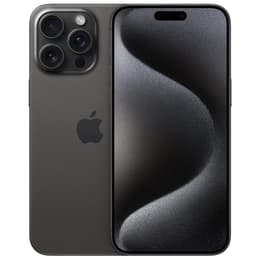
iPhone 15 Pro Max
Starting at

Refurbished price:£451.00

Versus £1,199.00 new

See options

Ratings

The Google Pixel 9 Pro Fold, released in September 2024, is Google's advanced foldable smartphone, offering a versatile dual-screen experience. In contrast, the iPhone 15 Pro Max, launched in September 2023, is Apple's flagship traditional slab smartphone, known for its powerful performance and integrated ecosystem. The primary distinction lies in their form factors: the Pixel 9 Pro Fold transforms from a compact phone into a larger tablet-like display, while the iPhone 15 Pro Max maintains a consistent, premium smartphone design.

Scores

Durability

When considering the longevity of these devices, both offer substantial software support and robust build qualities, though their designs present different considerations for practical lifespan.

  • Software Support: The Google Pixel 9 Pro Fold is projected to receive seven years of OS and security updates, extending its software relevance until 2031. The iPhone 15 Pro Max typically receives 5-6 years of major iOS updates, with security updates often continuing beyond that.
  • Physical Durability: The iPhone 15 Pro Max features a titanium frame and Ceramic Shield front glass, contributing to its overall resilience against drops and scratches. The Pixel 9 Pro Fold boasts an IP68 rating for dust and water resistance, a notable achievement for a foldable device, and incorporates a gearless hinge designed for long-term use. However, foldable screens generally introduce unique durability considerations compared to traditional smartphone displays.
  • Expected Lifespan: Users of the iPhone 15 Pro Max often report their devices holding up well over several years, with the main concern being battery degradation over time. For the Pixel 9 Pro Fold, its advanced hinge design and IP rating aim to address common foldable durability concerns, suggesting a practical lifespan comparable to other high-end smartphones, assuming careful handling of the folding display.

Year of Release

2024

2023

Compatible with latest Update

Yes

Yes

OS

Android

iOS

Foldable

Yes

No

Performance

Performance is a key area where both devices excel, though they approach it with different hardware architectures and user experiences.

  • Processing Power: The iPhone 15 Pro Max is equipped with the A17 Pro chip, which delivers smooth operation for demanding applications, intensive gaming, and seamless multitasking. The Google Pixel 9 Pro Fold features Google's Tensor G4 processor, designed to handle everyday tasks and advanced AI features efficiently, providing a responsive user experience.
  • Multitasking and Responsiveness: With 16 GB of RAM, the Pixel 9 Pro Fold is well-suited for extensive multitasking, especially when utilizing its larger internal display for multiple applications simultaneously. The iPhone 15 Pro Max, with 8 GB of RAM, also offers fluid multitasking within the iOS environment, benefiting from Apple's optimized software integration.
  • Storage Options: Both devices offer ample storage, with the iPhone 15 Pro Max available in 256 GB, 512 GB, and 1 TB configurations. The Pixel 9 Pro Fold comes with 256 GB or 512 GB of internal storage.
  • Battery Behavior: The iPhone 15 Pro Max is known for its robust battery life, often lasting a full day even with heavy usage. The Pixel 9 Pro Fold, with its 4650 mAh battery, also aims for all-day power, with some users reporting impressive endurance for a foldable device.

Memory (GB)

16 GB

8 GB

Screen quality

The display experience is a significant differentiator, with the Pixel 9 Pro Fold offering dual screens and the iPhone 15 Pro Max providing a single, expansive panel.

  • Display Technology and Clarity: The iPhone 15 Pro Max features a 6.7-inch Super Retina XDR OLED display, delivering deep blacks, vibrant colors, and sharp detail with a resolution of 1290 x 2796 pixels. The Pixel 9 Pro Fold offers two displays: a 6.4-inch outer Actua display and an 8-inch inner Super Actua Flex foldable display, both utilising LTPO OLED technology for rich visuals and clarity.
  • Brightness and Refresh Rate: Both devices offer high brightness levels, with the iPhone 15 Pro Max reaching up to 2000 nits peak brightness, ensuring good visibility in various lighting conditions. The Pixel 9 Pro Fold's displays also achieve high peak brightness, up to 3000 nits for HDR content on its outer screen, making it suitable for outdoor use. Both phones feature variable refresh rates up to 120 Hz, providing smooth scrolling and responsive interactions.
  • Screen Size and Aspect Ratio: The iPhone 15 Pro Max provides a large, traditional smartphone screen for immersive viewing. The Pixel 9 Pro Fold's outer display is designed to be comfortably usable as a standard phone, while its larger, nearly square inner display offers an expansive canvas for productivity and media consumption, though some apps may not fully optimize for its unique aspect ratio.

Resolution

2076 x 2152

1290 x 2796

Audiovisual

Both smartphones offer advanced camera systems, leveraging sophisticated hardware and computational photography to capture high-quality images and videos.

  • Rear Camera Systems: The iPhone 15 Pro Max features a versatile triple-camera setup, including a 48 MP main sensor, a 12 MP ultrawide lens, and a 12 MP telephoto lens with 5x optical zoom. The Pixel 9 Pro Fold also comes with a triple-camera system, typically including a 48 MP main sensor, a 10.5 MP ultrawide, and a 10.8 MP telephoto lens with 5x optical zoom.
  • Photography Performance: The iPhone 15 Pro Max excels in capturing detailed photos with accurate colors and strong dynamic range, performing well in various lighting conditions, including low light. The Pixel 9 Pro Fold benefits from Google's computational photography, which enhances image quality across its lenses, producing balanced and consistent results.
  • Video Capabilities: The iPhone 15 Pro Max is highly regarded for its video recording, supporting 4K at up to 60fps across all cameras with excellent stabilization and the ability to record in Log format for professional grading. The Pixel 9 Pro Fold also offers strong video recording features, with its processing power contributing to stable and clear footage.
  • Selfie Cameras: The iPhone 15 Pro Max includes a 12 MP front camera. The Pixel 9 Pro Fold features two selfie cameras, one on each display, with a 10 MP sensor for the main front camera.

Front camera

10 megapixels

12 megapixels

Miscellaneous

Beyond core features, several practical elements contribute to the overall user experience and daily usability of these devices.

  • Connectivity: Both smartphones support modern connectivity standards, including 5G for fast mobile data, and advanced Wi-Fi and Bluetooth versions for wireless connections. The Pixel 9 Pro Fold additionally includes Ultra-Wideband (UWB) and Thread support.
  • Ports and Biometrics: The iPhone 15 Pro Max has transitioned to a USB-C port, offering broader compatibility with accessories. The Pixel 9 Pro Fold also features a USB-C port. For security, the iPhone 15 Pro Max relies on Face ID, while the Pixel 9 Pro Fold typically incorporates a fingerprint sensor, often integrated into the power button.
  • Design and Handling: The iPhone 15 Pro Max features a premium titanium build, making it noticeably lighter than previous Pro Max models at 221 grams, and offers a comfortable in-hand feel. The Pixel 9 Pro Fold, while heavier than traditional phones, is designed to be relatively thin when closed, aiming for a more pocketable foldable experience.
  • Unique Features: The iPhone 15 Pro Max includes an Action Button, which can be customized for quick access to various functions. The Pixel 9 Pro Fold's defining feature is its folding display, enabling a tablet-like experience on demand, and its wider outer screen is designed for more comfortable single-handed use compared to some other foldables.

Weight

257 g

221 g

Screen size (in)

8.0

6.7

Mobile network

5G

5G

SIM card

Physical SIM + eSIM

Physical SIM + eSIM

Carrier compatibility

Unlocked

Unlocked

Connector

USB-C

USB-C

The Google Pixel 9 Pro Fold and the iPhone 15 Pro Max cater to distinct user preferences, each offering a compelling set of features and capabilities. Users frequently praise the iPhone 15 Pro Max for its exceptional camera system, particularly its video recording prowess and 5x optical zoom, as well as its vibrant display and robust performance for demanding tasks. Its solid battery life and premium, lighter titanium design are also commonly highlighted as strong points. Some criticisms have included initial overheating concerns (largely addressed by software updates) and reports of battery degradation over time for some users.

The Pixel 9 Pro Fold receives acclaim for its innovative foldable design, offering the versatility of a compact smartphone and a larger tablet-like display. Its excellent outer display, Google's advanced computational photography, and strong battery life for a foldable are often praised. However, common concerns for foldables, such as the visibility of the screen crease and the general durability of the folding mechanism, are sometimes noted, alongside the ongoing challenge of app optimization for the larger inner screen.

Users prioritizing a traditional, highly refined smartphone experience with top-tier camera performance, especially for video, and a long-standing software ecosystem may find the iPhone 15 Pro Max well-suited to their needs. Conversely, individuals seeking the flexibility of a device that can transform from a standard phone into a larger screen for productivity or immersive media, coupled with Google's AI-driven features and extensive software support, may lean towards the Pixel 9 Pro Fold. Both devices represent the pinnacle of their respective categories, and choosing between them often comes down to a preference for form factor and ecosystem. For those considering either device, exploring quality-assured refurbished options can provide an eco-friendly alternative.


See all articles

Our recent comparisons